
Edgar Wright is often described by reference to tempo: whip pans, fast cuts, pop-song precision, and scenes that seem to sprint even when the characters are only fetching a drink, crossing a room, or explaining a plan. That shorthand is useful, but Tony Zhou's Every Frame a Painting video matters because it pushes the claim into something more exact. Wright's comedy does not simply move fast. It turns the frame into an active joke machine, so that entrances, exits, camera moves, sound cues, and match cuts carry comic information before dialogue has to explain it.[1]
That distinction is why this video works as an annotated viewing rather than just a fan appreciation. Zhou's argument is not that Wright is funny because his films contain funny lines. It is that his films keep asking cinema-specific questions: where can the joke enter the frame, how can a cut complete the punchline, when can music make an action absurdly grand, and why should a routine transition become a miniature set piece?[1] The BFI's conversation between Martin Scorsese and Wright is useful background here because Wright talks like a filmmaker who watches older cinema for visual narrative and editing logic, not only for references.[2] In other words, his style is referential, but not decorative. It is a way of turning ordinary screen business into staged behavior.
The video also helps separate Wright's method from the broader habit of using speed as a substitute for staging. In Shaun of the Dead, Hot Fuzz, Scott Pilgrim vs. the World, The World's End, and Baby Driver, the joke often depends on exactly where a body sits in the frame, when an object appears, or how a sound hit locks the viewer's expectation to an action.[1][3] BFI's later Sight and Sound discussion of video essays even points to sound-focused Wright criticism as a natural continuation of this line of attention: his style is visual, but the visual rhythm is inseparable from sound design and music timing.[4] Watch Zhou's video with that double register in mind. The frame is doing comedy, and the soundtrack is often telling you when the frame has landed the joke.
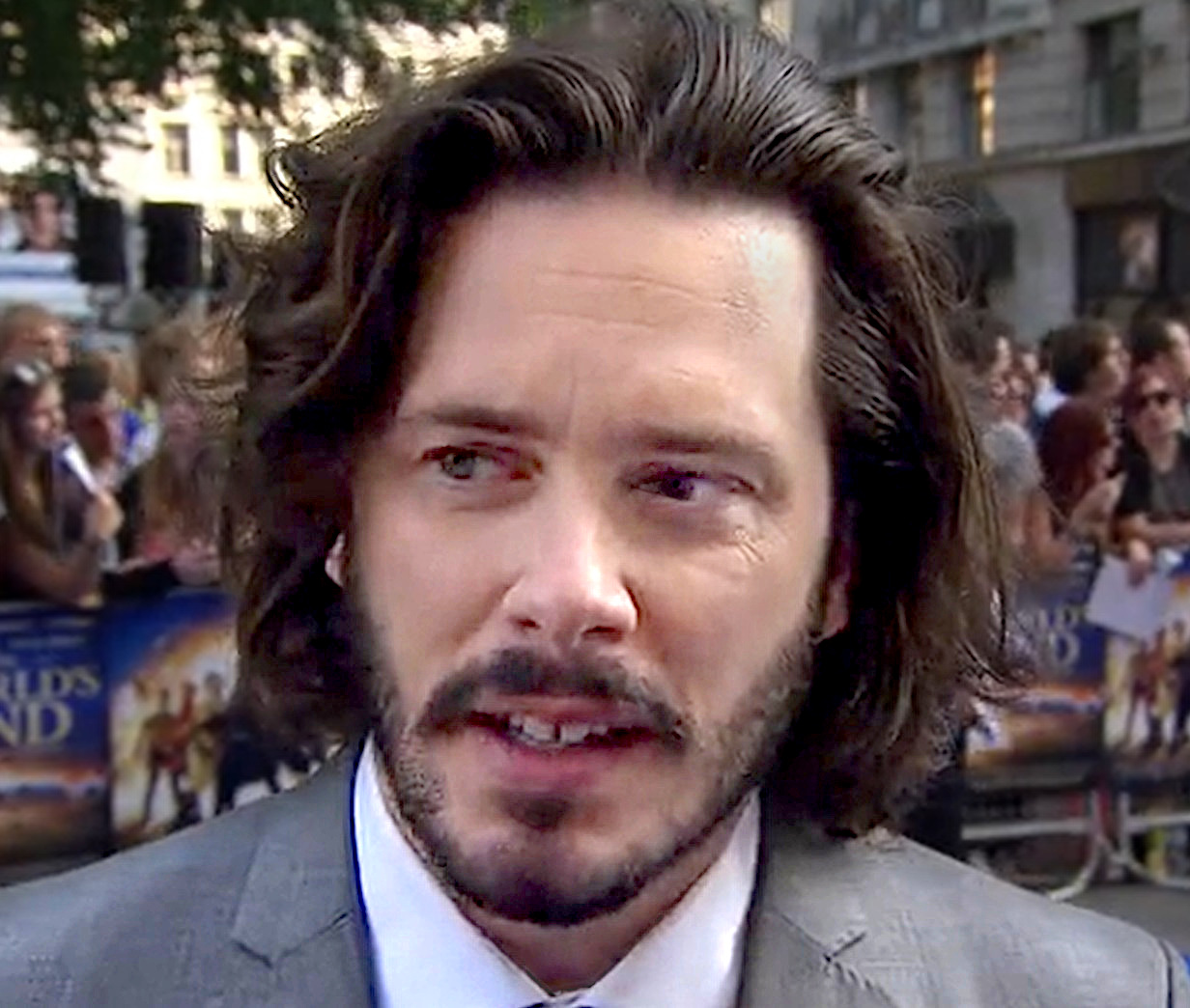
The joke begins before the line
The first thing to watch for is Zhou's emphasis on nonverbal setup.[1] In many mainstream comedies, the camera can become a neutral recorder of performers delivering jokes. Wright's scenes resist that neutrality. A character can enter the frame in a funny way. A person can leave the frame in a funny way. A punchline can happen because the image reveals, conceals, or repositions information at just the right moment. That sounds basic, but it changes the whole contract of a scene. The image is no longer waiting for the dialogue to become funny; the image is already working.
This is why Wright's mundane transitions feel unusually alive. Moving from one location to another, preparing to go out, taking a drink, loading a weapon, opening a door, or crossing a street can become a compressed visual gag. The action is small, but the film treats it as choreographed cinema. Zhou's point is not that every comedy should copy Wright's technique. The deeper point is that comedy becomes richer when the filmmaker assigns comic responsibility to every layer of the medium.[1] Performance still matters. Writing still matters. But blocking, framing, lens choice, cut rhythm, prop timing, music, and sound effects can also carry the joke.
That is also where the BFI Scorsese-Wright interview sharpens the viewing lens. Wright's comments in that conversation sit inside a larger discussion of British cinema, editing, and visual storytelling.[2] He is not only a pop-culture collagist arranging references for recognition. He is a viewer of film grammar. The references in his films work best when they are functional: horror language can describe suburban panic, action-movie grammar can turn village bureaucracy into combat, and music-video timing can make a getaway feel like choreography rather than coverage.
Cutting as comic punctuation
Around the middle of the video, pay attention to how often the examples depend on cuts that behave like punctuation.[1] A cut can end a sentence, interrupt a thought, reverse an expectation, or make two unrelated actions rhyme. Wright's match cuts are not only stylish transitions. They are comic hinges. They collapse time, compare gestures, and make the viewer enjoy the act of connection. The pleasure is not only "what happens next?" but "how did the film get us there?"
This matters because quick editing is easy to misread. Fast cutting can hide weak staging; Wright's best cutting exposes staging. The viewer understands where the joke is located because the shot design has already prepared the terms. A sudden cut works when the audience can feel the setup and the switch. A whip pan works when it directs attention rather than merely decorating the transition. A musical hit works when image and sound agree on the joke's exact beat. Zhou's video is strong because it isolates those mechanics without turning them into a dry taxonomy.[1]
The lesson extends beyond comedy. Wright's action scenes are legible because he treats timing as meaning. Baby Driver makes this especially obvious, but the habit was present earlier: sound cues, physical motion, and editorial rhythm do not sit in separate boxes.[3][4] The comedy and action share a common principle. If the audience knows where attention should go, the filmmaker can move quickly without making the scene vague. If the audience is oriented, speed becomes play rather than confusion.
Why sound belongs in a visual-comedy argument
The title of Zhou's essay puts the stress on visual comedy, but the video repeatedly shows that Wright's images are tuned to sound.[1] A sound effect can make an action feel larger than it is. A song cue can inflate a tiny gesture into heroic business. A cut can land because the ear catches the rhythm before the eye has finished processing the image. BFI's Sight and Sound roundup makes the same point indirectly by singling out later video-essay work on Wright's sound as an important extension of the discussion.[4]
This is the most useful correction to a shallow reading of Wright's style. The surface is busy, but the best scenes are not random bundles of cleverness. They are coordinated systems. Picture and sound agree on the unit of comedy: a door slam, a glance, a weapon click, a footstep, a smash cut, a sudden silence. The audience laughs partly because the beat feels inevitable after it happens. The film has prepared a rhythm, then snapped the world into that rhythm at the right instant.
That is why Wright's method can make exposition entertaining. Exposition is often treated as necessary dead space: the plot has to be explained, so the scene temporarily stops being cinema. Wright's solution is to make explanation kinetic. Lists become montages. Plans become rhythmic patterns. Character habits become repeated visual cues. The information is still there, but it arrives through movement and timing rather than flat delivery. Zhou's video is especially good at making that invisible labor visible.[1]
What the video teaches a viewer to notice
The practical value of the essay is that it changes how you rewatch Wright's films. After seeing it, a viewer is more likely to notice the joke in a background entrance, the way a camera move withholds information until the precise reveal, or the way a transition turns ordinary time into compressed movie time.[1] That does not reduce the films to technique. It does the opposite. It shows why the technique gives the films their bounce.
The danger with any director-signature argument is that it can become branding: Wright equals whip pans, fast cuts, pop songs, and genre riffs. Zhou's video is better than that because it asks what those signatures do. They make cinema carry comic responsibility. They give the frame a job. They make time elastic. They let sound push against image. They keep the viewer alert to the possibility that a joke may arrive through motion, placement, or rhythm before anyone says the funny thing.[1][4]
That is the reason this video remains useful years after its upload. It is not only about Edgar Wright, and it is not only about comedy. It is about a basic standard for film language: when a scene has a visual idea, the viewer can feel a filmmaker making choices. Wright's comedy happens inside the frame because the frame is never passive. It is built to spring, rhyme, reveal, and collide.
Sources
- Every Frame a Painting, "Edgar Wright - How to Do Visual Comedy," YouTube video.
- BFI, "Martin Scorsese and Edgar Wright on British Cinema" - Sight and Sound interview on film history, editing, and visual storytelling.
- Motion Picture Association, "Writer/Director Edgar Wright Talks His Brilliant New Film Baby Driver" - interview covering Wright's genre-comedy background and music-driven action staging.
- BFI Sight and Sound, "The best video essays of 2020" - includes discussion of a video essay on Wright's use of sound and editing.
- Wikimedia Commons, "File:Edgar Wright at Worlds end Premiere 2013.jpg" - real photograph used as the article image.