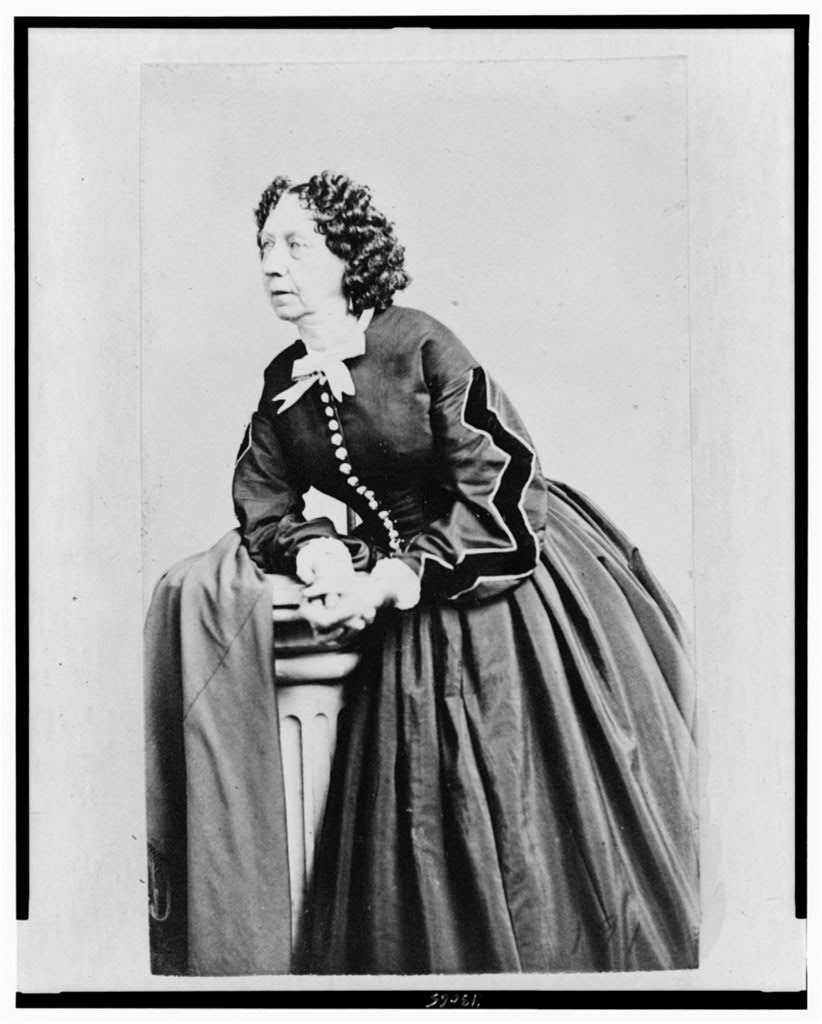
Ruth Hall is often introduced as Fanny Fern's revenge heroine: the widow who is abandoned by relatives, underpaid by editors, and eventually vindicated by print. That description is not wrong, but it makes Ruth sound cleaner than the novel makes her feel. She is not born as an icon of self-reliance. She becomes one after conventional sympathy fails at every practical test.[1][3]
That is why a character study of Ruth has to begin with pressure rather than triumph. The title page calls the book "a domestic tale" and then quietly betrays that promise.[1] Domestic fiction usually offers the home as trial, refuge, or moral school. Fern gives Ruth a home, removes it, and then shows how little moral excellence is worth when rent, food, children, and column rates enter the room. Ruth's character is formed by this rude conversion: feeling must either find a working shape or remain powerless.
The novel's biographical charge matters because Fern herself had been widowed, poor, rejected by family support systems, and pushed into writing for pay before she became famous. Mount Auburn's biographical account tracks the same arc from domestic catastrophe to periodical labor, while the Rutgers edition frames Ruth Hall as a work about financial independence as the condition of real independence.[3][5] But the novel is strongest when it refuses to make that lesson sound abstract. Ruth learns economics through humiliation.
Ruth Begins As A Person Other People Interpret
Early Ruth is soft, observant, and vulnerable to being misread. Her gentleness is real, but the people around her treat gentleness as a usable weakness. In the marriage plot, she is cherished by Harry; in the extended-family plot, she is appraised. Her in-laws measure her domestic competence, her relatives measure her dependence, and later editors measure her desperation. The same woman looks different depending on who can profit from naming her.
Fern's sharpness lies in showing that Ruth's passivity is not stupidity. Ruth sees more than she can yet act on. She absorbs insult, condescension, and practical cruelty until the reader understands that endurance can be a form of data collection. Her silence is not consent; it is the period before she has a medium.
This is why the small social scenes matter. When former acquaintances recoil from the address where poverty has placed her, the insult is not only class snobbery. It is a lesson in how quickly social memory expires.[1] Ruth's earlier life of strawberries, country air, and visiting friends cannot protect her once she lives in a house marked by need. The woman has not changed, but the frame around her has, and the world reads the frame.
Widowhood Makes Dependence Legible
Harry's death does not simply sadden Ruth. It reveals the architecture around her. Family affection turns conditional; advice replaces help; charity arrives as management. Ruth's children become bargaining objects, and her own grief becomes almost irrelevant beside the question of who will pay for survival.[1][2]
The novel's sentimental materials are therefore harsher than they first look. Fern gives Ruth bereavement, motherhood, illness, and poverty, but she does not let those conditions remain decorative suffering. Each one becomes a social test. Who believes her? Who opens a door? Who treats a widow as morally worthy but economically inconvenient? Ruth's character hardens because she learns that pity without money can become another form of control.
This is where the book begins to break from a simple martyr story. Ruth does not become admirable because she suffers beautifully. She becomes interesting because suffering teaches her to distrust the emotional scripts that have kept her dependent. The old feminine virtues do not disappear; she remains tender toward her children and responsive to beauty. But those virtues stop being enough. They need a profession.
The Pseudonym Is Not A Mask; It Is A Tool
When Ruth writes as Floy, the name does more than hide her. It gives her a working surface. The family name has made her available to judgment; the pen name makes her available to readers. That exchange is morally complicated, but it is also liberating. Ruth can sell what her relatives refuse to value: perception, anger, rhythm, and the hard comic intelligence that grows from being patronized.
The Whitman Archive's account of Fern is useful here because it identifies her not only as a novelist but as a celebrated weekly writer and the first woman in America to be a professional newspaper columnist.[6] That context clarifies Ruth's transformation. Authorship in the novel is not a vague spiritual calling. It is deadline work, negotiation, publication, circulation, and price. Ruth does not escape the marketplace; she enters it with a clearer understanding of what everyone else has already been doing to her.
Fern's style helps build that change. The chapters are short, quick, and often edged with satire. The rhythm can feel almost journalistic, as if the novel has learned from the column. Ruth's character is shaped by that pace. She cannot afford the grand leisure of tragic self-explanation. She has to move from wound to tactic, from tactic to sentence, from sentence to cash.
Money Does Not Corrupt The Ending; It Explains It
Some novels ask money to stand outside the moral center. Ruth Hall does the opposite. Money is not the vulgar detail that interrupts the character study; it is the pressure that reveals the character. Rutgers' edition description puts the matter bluntly: the book imagines a woman becoming independent because financial independence is not separable from personal independence.[3]
That is why Ruth's success should not be softened into mere recognition. Recognition matters, but money changes the plot's grammar. It lets her reclaim a child, answer contempt, and stop asking people who enjoy her dependence to rescue her from it. The late scenes are satisfying because they are not purely forgiving. Ruth's growth includes the ability to remember accurately.
Fern does not make Ruth cold. That would be too easy, and it would concede too much to the people who define feeling women as impractical. Ruth's real achievement is more precise: she keeps feeling, but she stops giving hostile readers, relatives, and employers free access to it. Grief becomes copy. Maternal fear becomes motive. Anger becomes timing. Humiliation becomes a record.
The famous cruelty of the book, then, is not only in its satirical portraits. It is in its refusal to let consolation arrive before the bill has been paid. Ruth is not saved by being loved correctly. She is saved, partly and imperfectly, by turning private injury into public language that earns. That is a harder ending than sentimental rescue, and a more modern one.
Read now, Ruth Hall feels less like a simple revenge figure than like a study in professional formation. She begins as a woman other people describe. She ends as a woman who has learned to publish the description back. The byline does not erase grief. It gives grief a route out of the room.
Sources
- Fanny Fern, Ruth Hall: A Domestic Tale of the Present Time, Project Gutenberg ebook no. 40814 - primary text and 1855 publication details.
- HathiTrust Digital Library, catalog record for Ruth Hall: a domestic tale of the present time - 1855 Mason Brothers edition metadata.
- Rutgers University Press, Ruth Hall and Other Writings by Fanny Fern - editorial framing of Fern, financial independence, and nineteenth-century authorship.
- Library of Congress, "Sara Payson Parton, known as Fanny Fern, three-quarter length portrait, standing, facing left" - source page for the 1866 photographic portrait used as the article image.
- Mount Auburn Cemetery, "Fanny Fern (1811-1872)" - biographical account of Fern's widowhood, writing career, and New York Ledger work.
- Walt Whitman Archive, Susan Belasco, "Parton, Sara Payson Willis (Fanny Fern) (1811-1872)" - professional-columnist context and Fern's place in mid-nineteenth-century literary culture.