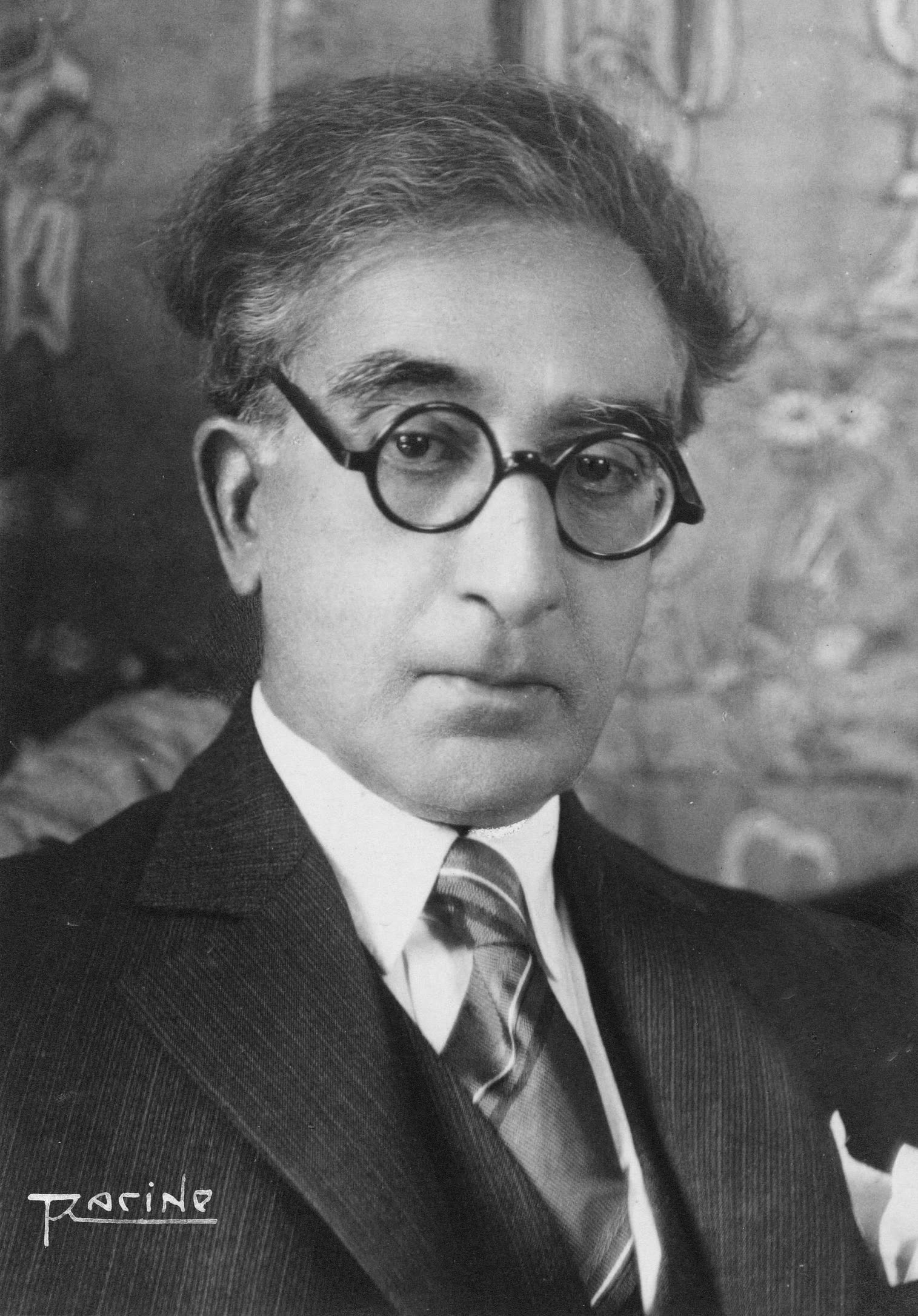
C.P. Cavafy's poem is famous enough to be misread on sight. In English, Ithaka often gets stripped down to a reassuring slogan: enjoy the journey, do not obsess over the destination, collect experiences on the way.[1][2] That version is not false, but it is too smooth for the poem Cavafy actually wrote. The sharper reading begins once you notice that even two official English printings by Edmund Keeley and Philip Sherrard do not land in quite the same place. On the Poetry Foundation page, the opening depends on "road" and later on the phrase "go on learning."[1] On the Onassis Cavafy Archive page, the same poem prefers "voyage" and asks the traveler to gather "stores of knowledge."[2]
Those differences look small until you hear what they do. "Road" domesticates the poem a little; "voyage" returns salt water, Homeric risk, and the old sea-route scale of Odysseus's name.[1][2] "Learn and go on learning" sounds like an open-ended habit; "gather stores of knowledge" sounds like accumulation, stockpiling, even a portable cargo.[1][2] The poem needs both registers if it is going to stay fully itself in English. Cavafy is exactly the kind of poet for whom that matters. He lived much of his adolescence in England, generally spoke English, and entered English literary culture through a long history of retranslations and critical afterlife.[3][4] Ithaka is not a case where English merely receives a finished object. English has become one of the poem's homes.
1. "Road" makes the poem morally portable; "voyage" keeps it maritime
The Poetry Foundation text opens on a "road."[1] The revised Onassis text opens almost identically, but the traveler now hopes for a "voyage."[2] The first wording is one reason the poem has had such a powerful life in graduation speeches, travel essays, and self-help quotation culture. A road belongs to nearly everyone. It is terrestrial, legible, and available for metaphor. You can walk it, choose it, lose it, or stay on it. The word immediately makes the poem portable into modern inner life.
But "voyage" does something the travel-poster reading needs and usually suppresses.[2] It restores the fact that Ithaka is an island and that Odysseus is not being addressed as a generic modern pilgrim but as someone imagined in relation to sea passage, delay, ports, and return. That does not make the poem less philosophical. It makes the philosophy harder. A road can suggest steady progress. A voyage contains drift, weather, commerce, and the possibility that what changes you is not your purity of purpose but the unstable medium between departure and arrival.
That maritime scale matters again a few lines later when the speaker sends the traveler into harbors and Phoenician trading stations.[1][2] The poem does not celebrate "experience" in the abstract. It celebrates contact: ports first seen, goods handled, scents purchased, scholars visited. The revised word "voyage" prepares those scenes better. It keeps the poem from floating too quickly into generic uplift.
2. The poem's knowledge is sensual before it is moral
One reason Ithaka survives translation so well is that Cavafy refuses to separate learning from appetite. The traveler is sent through ports, trading stations, luxury goods, perfume, and scholars in one unbroken motion.[1][2] This is not austere wisdom. It is trained desire. The poem asks for richness, then keeps moving so that richness does not harden into greed.
That is why the shift between "go on learning" and "stores of knowledge" is more than stylistic variation.[1][2] The Poetry Foundation version emphasizes duration. Learning is something one keeps doing, and the repetition inside "go on learning" gives the line a patient cadence.[1] The Onassis version turns knowledge into something one acquires and carries, almost like the traded goods named a few lines earlier.[2] The phrase "stores of knowledge" links intellect back to trade, cargo, and collection.
I do not think one version cancels the other. Together they expose the poem's real economy. Cavafy wants the traveler to become richer in a way that is neither purely spiritual nor crudely financial. Knowledge is gathered, but it must also keep moving. Experience is accumulated, but it must stay alive enough to continue instructing. A flatter English paraphrase often turns the poem into noble anti-materialism. The actual lines do something more exact. They let markets, harbors, perfume, scholarship, and age belong to one system of enlargement.[1][2]
That system fits the poet behind the poem. The Poetry Foundation profile stresses Cavafy's cosmopolitan formation and the way he circulated poems among chosen readers rather than building a broad public in his lifetime.[4] Britannica likewise emphasizes his English-speaking world, his mixed linguistic inheritance, and the many English translation lineages that followed after his death.[3] A poem written from that kind of edge-position was always likely to treat knowledge as something gathered in transit rather than inherited in place.
3. Ithaka enriches by launching desire, then empties itself on arrival
The line almost everyone remembers is not actually the poem's deepest turn. More important is the movement from the warning that Ithaka should not be expected to enrich you into the devastating correction that the island has already finished giving.[1][2] The island matters because it generated the journey in the first place. It was a cause, not a treasure chest. Once that has happened, arrival can only reveal the mistake of expecting payment at the end.
This is where the poem becomes much less comforting than its reputation. A travel poster promises fulfillment. Cavafy offers belated understanding. By the time you arrive, the goods have shifted location: they are no longer waiting at the destination but already lodged in the traveler who has aged into them.[1][2] The island may even look poor. That poverty is not failure. It is the final proof that the real transaction happened elsewhere.
The closing plural seals the point. The traveler will understand "these Ithakas."[1][2] Not this one Ithaka, singular and fixed, but these Ithakas: repeated destinations, recurring launch points, places that matter because they make motion thinkable and then surrender their glamour once the motion has done its work. The plural rescues the poem from tourism and returns it to form. Ithaka is a structure of desire before it is a place name.
4. Why the poem keeps resisting its own good advice
The English afterlife of Ithaka proves how tempting it is to reduce the poem to a consoling life lesson. Yet the best translation notes lead in the opposite direction. They show a poem that is more textured, more commercial, and more unsentimental than its inspirational reputation suggests. "Road" makes the poem intimate and transferable; "voyage" keeps its mythic salt.[1][2] "Learn and go on learning" protects an ongoing discipline; "gather stores of knowledge" reminds us that thought can travel like cargo.[1][2] The poor island at the end refuses any childish idea that the destination owes us visible reward.[1][2]
That is why Cavafy still feels exact. He is not telling readers to lower their ambitions. He is changing the location of value. Wealth ends up in habits of perception, in what has been carried, in what has been bought, smelled, learned, and survived, and finally in the ability to look at an ordinary arrival without accusing it of betrayal.[1][2][3] A good English Ithaka has to preserve that late wisdom without smoothing away the poem's ports, markets, and sea-distance. Once it does, the poem stops sounding like advice and starts sounding like earned form.
Sources
- C. P. Cavafy, "Ithaka," The Poetry Foundation poem page, trans. Edmund Keeley and Philip Sherrard.
- Cavafy Archive / Onassis Foundation, "Ithaka," revised English text by Edmund Keeley and Philip Sherrard.
- Encyclopaedia Britannica, "Constantine P. Cavafy" (biography, English-language context, and translation afterlife).
- The Poetry Foundation, "C. P. Cavafy" (biographical profile on Cavafy's English adolescence and private circulation of poems).
- Wikimedia Commons, "File:Konstantinos Kavafis.jpg" (source page for the 1929 photographic portrait used as the article image).