Your sedan can fetch less at trade-in this month even as used-car inflation rises. The dealer is pricing a car you have driven for another month. The Consumer Price Index asks what it would cost to buy as much car as you could buy last month. [1]
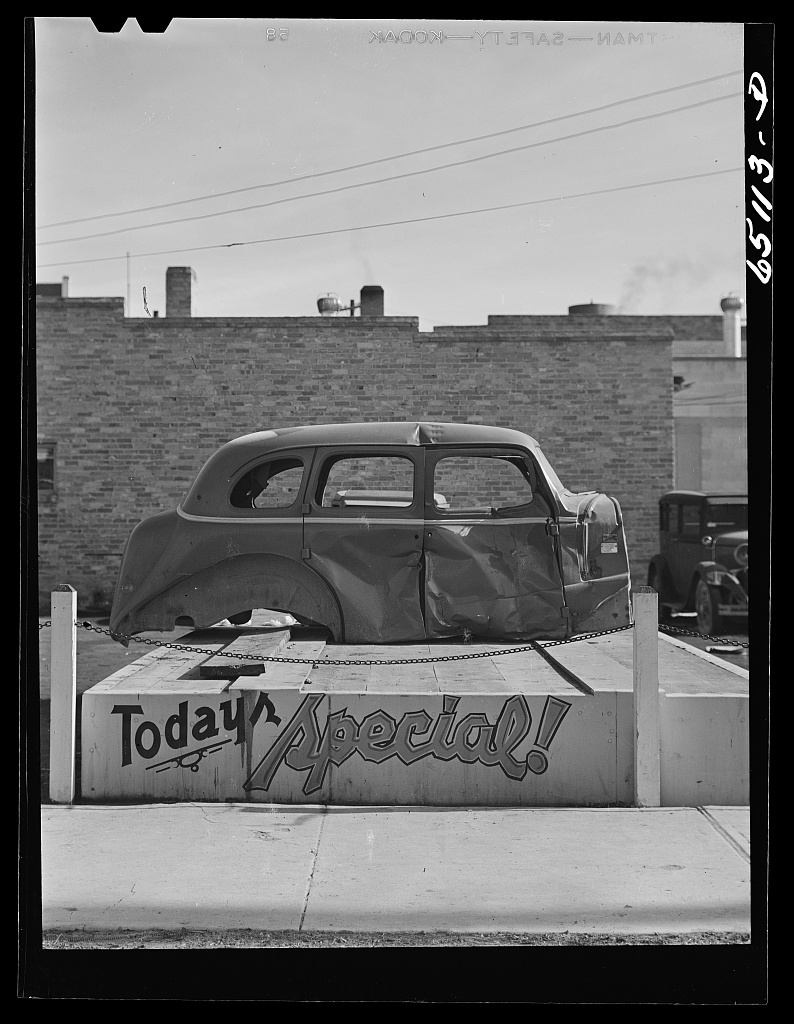
Suppose a sedan worth $20,000 last month would ordinarily lose $200 in value over the next month of driving. A dealer now offers $19,900. The owner has lost $100, yet the offer is $100 better than the car's age and use alone would predict. Someone shopping for the same amount of remaining use faces a slightly dearer market. The figures are illustrative. The hard part for a statistician is estimating what that month of driving was worth.
The car one model year younger
The Bureau of Labor Statistics starts with dealer sales records to select a sample of vehicles two to seven years old. On the first of each month it obtains an estimated value from J.D. Power for each vehicle in the sample. To estimate depreciation, it compares each model with its counterpart one model year younger. The price gap between the two vintages helps the bureau estimate how much value a car loses as it ages. It adjusts both months' valuations before calculating the change. [1][3]
That comparison needs two odometer readings, even on paper. Until January 2024 the bureau assigned each sampled vehicle a mileage figure that stayed fixed throughout the year. Now its assumed mileage climbs each month with the vehicle's age. The extra miles reduce the estimated value of both vintages. They also matter more in dollar terms near the beginning of a car's working life than when its odometer is already high. [1][4]
There is a limit to what that adjustment explains. Take January 2024 itself, when the used cars and trucks index fell 3.4 percent after seasonal adjustment. That figure measures the change with the new method in place. To say how much of the fall the method caused, one would need the same month's result with mileage held to the old rule. The published decline alone cannot answer that question. [4][5]
Two checks on the next price reading
When the next CPI report arrives, compare the used-vehicle line with what local dealers are offering for cars of the same model year, trim and mileage on both dates. A falling trade-in offer on a daily driver leaves room for a rising market. If offers fall even for closely matched cars, ordinary wear on the owner's vehicle can no longer explain that local decline.
September brings a second check. Each September the bureau advances its sample by one model year to keep its age profile steady. If the newer vintage gained equipment, the bureau can carry forward the quality adjustment it made when that vintage was new, allowing for depreciation since. Before treating a jump in the price of a replacement sedan as inflation, check what came standard on the one taking its place. [1][3]
Sources
- U.S. Bureau of Labor Statistics, “Measuring Price Change in the CPI: Used Cars and Trucks”
- John Vachon, “Dillon, Montana. Used car lot,” March 1942. Library of Congress, Farm Security Administration collection
- U.S. Bureau of Labor Statistics, “Quality Adjustment in the CPI: New, Used, and Leased Motor Vehicles”
- U.S. Bureau of Labor Statistics, methodology notice on the January 2024 change in used-vehicle mileage
- U.S. Bureau of Labor Statistics, January 2024 Consumer Price Index release, Table 1