A Louisiana mill could turn down 26 cents a pound for raw sugar even though the federal loan on it came to just 25.07 cents a pound. The first figure is a hypothetical refiner’s bid, the second is Louisiana’s published rate for the 2026 crop, and the sliver between them has to pay for getting the sugar to the buyer and settling the loan. [1][2]
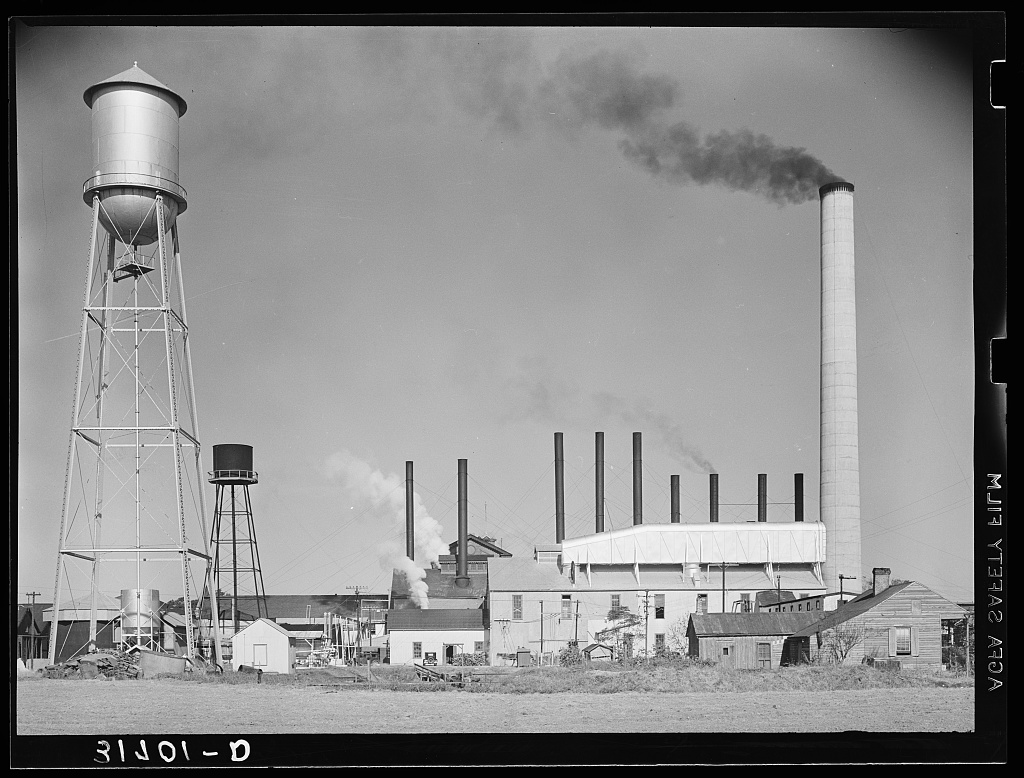
One warehouse, two ways to settle
After harvest, an eligible processor can pledge raw sugar to the Commodity Credit Corporation and borrow against it. That gives the mill cash while the sugar waits for a buyer. At maturity the mill has a choice. It can repay principal and interest and sell the sugar, or it can deliver the pledged sugar to the government in full settlement. The money advanced at harvest is already in the mill’s hands either way. The question now is which choice leaves more cash after settlement. [1][2]
Start with a lot that qualified for the published Louisiana rate, with no quality adjustment. A refiner offers the illustrative 26 cents delivered. Subtract the loan principal and the mill has 0.93 cents per pound of room. Suppose the mill pays the freight. If freight and accrued interest together consume half a cent per pound, selling leaves 0.43 cents per pound after repayment. Handing over the lot would give up that surplus. These are settlement proceeds on pledged inventory. The mill still has to account for what it spent buying cane and running the plant. [1][2]
Now keep the bid unchanged and put the refiner farther away. If freight and interest together exceed the 0.93-cent cushion, the mill would have to find extra cash to complete the sale and retire the debt. Delivering the collateral becomes the better bargain, assuming negligible costs on the forfeiture side. An actual mill would price those costs too. A buyer that collects at the warehouse could therefore beat a more distant refiner quoting a higher delivered price. The two bids buy the same sugar but assign the truck bill to different parties. [2]
When the loan stays in the background
There is a reason a refiner might never get to buy this cheaply. In November, USDA cut its estimate of U.S. sugar supplies for 2026/27 by 238,000 short tons, raw value. Smaller opening stocks and lower domestic output outweighed an increase in expected imports. If refiners compete for fewer available lots, bids at the mill can rise well clear of the repayment threshold. The national revision gives that scenario some weight. Only a local bid establishes what a particular warehouse can realize. [4]
Three observations can settle which scenario matters this season.
- At the next refiner tender, compare bids for the same grade and delivery window after freight. If the best firm bid consistently covers principal, interest and delivery with room to spare through maturity, the case for forfeiting that lot falls away.
- In the December USDA supply estimate, look for imports or improved production to replace the supply lost in November. That would weaken the case for refiners bidding aggressively for the remaining domestic sugar. [4]
- By January 1, 2027, USDA expects to publish its next quarterly assessment of whether it needs to buy surplus sugar for sale to bioenergy producers. Its August assessment saw little risk of forfeiture. A change there would show that the concern had spread beyond the arithmetic of an individual mill. [5]
Sources
- USDA Farm Service Agency, fiscal year 2027 sugar loan rates, state schedules and settlement terms
- USDA Economic Research Service, “Weak Prices Test U.S. Sugar Policy,” on freight, interest and the forfeiture decision
- Library of Congress, “Jeanerette, Louisiana. Sugar mill,” archival photograph
- USDA Economic Research Service, Sugar and Sweeteners Outlook, November 2026
- USDA Farm Service Agency, August 2026 Feedstock Flexibility Program assessment