
Paleontology is full of charismatic skeletons, and museum display can make it seem as if a species is defined by the most complete mount, the cleanest reconstruction, or the specimen that happens to dominate a gallery. The short Harvard Museum of Natural History video on type specimens pushes against that instinct in under two minutes.[1] Its core point is simple and more important than many longer dinosaur explainers: a fossil name is not anchored to a vibe, a composite, or a later "better" example. It is anchored to a designated specimen.[1][2][4]
That distinction matters especially in fossil work, where the record is uneven and later discoveries often look more spectacular than the original material. Harvard's broader naming guide states the principle directly: each nominal taxon in the family, genus, or species group has a name-bearing type specimen, usually a holotype, fixed as a reference for the species.[2] The Natural History Museum in London explains the same rule in plainer public language when it says that the holotype is the individual specimen to which the species name is attached and that it acts as a permanent physical reference for the name.[4] Once that is understood, the whole museum floor changes shape. A display skeleton may teach form. The type teaches authority.
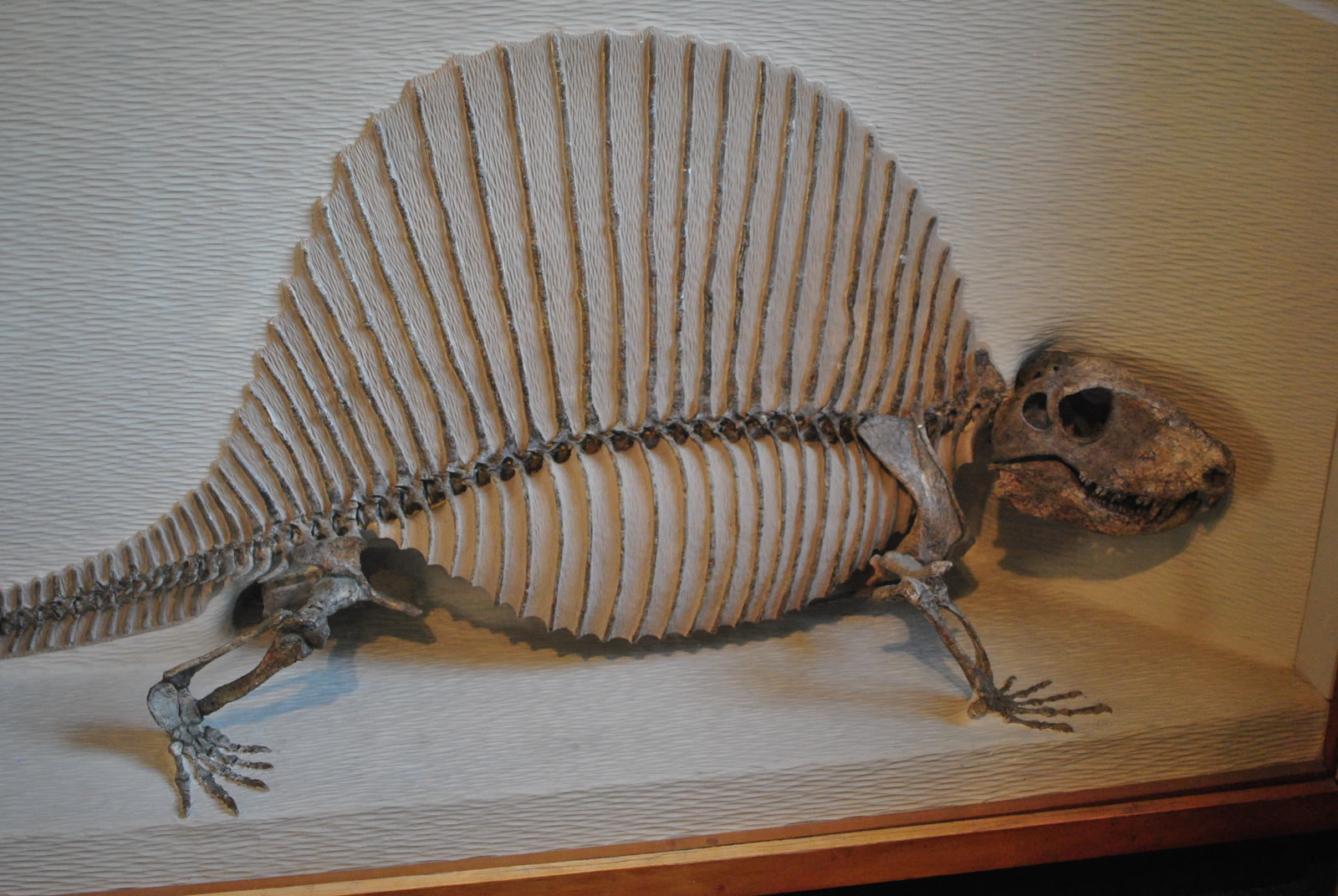
Harvard's chosen example is Dimetrodon milleri, a specimen discovered in 1937 that still sits inside active research rather than quietly finishing its life as an exhibit prop.[1][3] The video shows its skull removed from the mount because researchers are studying it with CT data and comparative anatomy to ask questions about synapsid skull structure and the evolution of mammals.[1] That is why this is worth curating as an annotated viewing. The video is short, but it manages to connect three ideas that are often kept apart in public paleontology: old fossils still generate new knowledge, cataloged collections are the infrastructure behind names, and the name-bearing specimen matters even when later finds are prettier, bigger, or easier to photograph.[1][3][5]
Image context: the cover uses a real photograph of the Dimetrodon milleri specimen at the Harvard Museum of Natural History from Wikimedia Commons. It belongs here because the article is about the gap between what a visitor sees first and what nomenclature actually depends on. The sail and mount create the public memory; the status as holotype keeps the specimen scientifically alive.[6]
Around 0:08, the video turns an old mount back into a working research object
The video opens with the fact that should reset the viewer's expectations: this Dimetrodon milleri specimen was discovered in 1937, yet it is still being used in scientific research now.[1] The camera then points to the missing skull and explains why it has been removed from the mount. Researchers are studying it with CT scanning to look at bones and internal features that cannot be seen from the outside, including braincase structures that help reconstruct where soft tissues once sat.[1] In two sentences, the video replaces the usual museum story of completed discovery with a better one. A historically important fossil is not frozen at the moment it enters the case. It can re-enter inquiry decades later when techniques improve.[1][3]
Harvard's companion Dimetrodon page reinforces that point by saying that scientists come from around the world to study this special type specimen even after more than eighty years in the scientific record.[3] That sentence matters because it shows how collections work across time. The value of the specimen is not only that Alfred Romer found an important early synapsid in the Permian of Texas. The value is that the same cataloged fossil remains available for re-description, rescanning, and comparison under later questions.[3][5] A mount in a hall may look finished. A type specimen in a collection rarely is.
Around 0:39, "true example" is best read as a name anchor, not a perfect average
Midway through the clip, the narrator says that this specimen is a type specimen, "a true example" of a species.[1] That phrasing is useful, but it needs one layer of clarification. The phrase does not mean that the holotype is a flawless average individual that contains every trait a future student might want. Fossil holotypes are often incomplete, distorted, juvenile, pathologic, or simply less spectacular than later finds. What makes them decisive is not perfection. It is that the scientific name is tied to them.[2][4]
This is where the written sources sharpen the video. Harvard's naming exhibit frames typification as a rule of reference: the type fixes the name so later scientists know what organism the name was originally attached to.[2] The Natural History Museum makes the same point by emphasizing permanence. If a researcher uncovers new material and wants to know whether it belongs to an existing species, the comparison ultimately has to route back through the holotype or the type series history, not through the most famous cast in a museum shop window.[4] In paleontology, that discipline matters because reconstructions change. Mounts are remade. Referred specimens come and go. Entire lineages are reorganized as anatomy is revised. The name-bearing specimen is what prevents that churn from dissolving the name itself.[2][4]
Read in that light, Harvard's "true example" line becomes more precise. The specimen is "true" in a nomenclatural sense. It is the benchmark to which the name is attached. That is a stricter and more interesting role than merely being a good-looking fossil.[1][2]
Around 1:00, the holotype matters because names must survive later finds, casts, and remounting
Near the end, the video names the specimen more exactly as the name-bearing holotype and notes that there are other kinds of type as well.[1] That brief shift is easy to miss, but it contains most of the logic of scientific naming. The point of a holotype is not to stop discovery. It is to make later discovery legible. New fossils can expand or complicate what a species looks like, but they do not float free of the original act of naming.[2][4]
That is why the article's title puts pressure on the difference between names and mounts. A mount can be partly restored, reposed, or temporarily disassembled, as this one already is while the skull is under study.[1] A gallery can feature casts or composites, and many famous skeletons do. Yet the name still has to land somewhere concrete. In this case it lands on a specimen with a museum identity, research afterlife, and catalog presence that can be traced beyond the exhibition floor.[3][5] The iDigBio portal entry for Dimetrodon milleri from Harvard's Museum of Comparative Zoology is mundane compared with the sail in the photograph, but that mundanity is part of the point. Taxonomy depends on records, identifiers, and traceable specimen history as much as on spectacle.[5]
The larger lesson travels well beyond Dimetrodon. Paleontology often reaches the public through giant bodies and iconic silhouettes, but its naming system depends on a quieter infrastructure of collections practice. Labels, catalog numbers, type designations, imaging, and curatorial continuity keep the language of the field attached to physical evidence.[2][4][5] The Harvard video works because it lets that invisible infrastructure surface for a moment inside an ordinary exhibit encounter.[1]
Why this video is worth keeping
As a piece of museum communication, the video is effective because it does not oversell scale or drama. Instead, it teaches a habit of looking. When a reader sees a mounted fossil after watching it, the first question shifts from "Is this the best specimen?" to "What specimen actually carries the name?" That is a much better paleontological question.[1][2]
It also corrects a common misunderstanding about scientific age. An old fossil is not old evidence in the sense of being finished evidence. The Dimetrodon milleri holotype still matters because the specimen can keep yielding new anatomical information while continuing to stabilize the name at the same time.[1][3] That double role, archive and active instrument, is why type specimens deserve more attention in public paleontology. They are where taxonomy, collections care, and later technology meet.
Sources
- Harvard Museum of Natural History, "I'm Your Type: What does it mean to be a 'type' specimen?," YouTube video.
- Harvard Museum of Natural History, "Names" from What's in a Name?
- Harvard Museum of Natural History, "Dimetrodon" from What's in a Name?
- Natural History Museum, London, "What is a type specimen?"
- iDigBio Portal record for Dimetrodon milleri Romer, 1937, Museum of Comparative Zoology, Harvard University.
- Wikimedia Commons file page for the lead image, "File:Dimetrodon milleri (1).jpg".