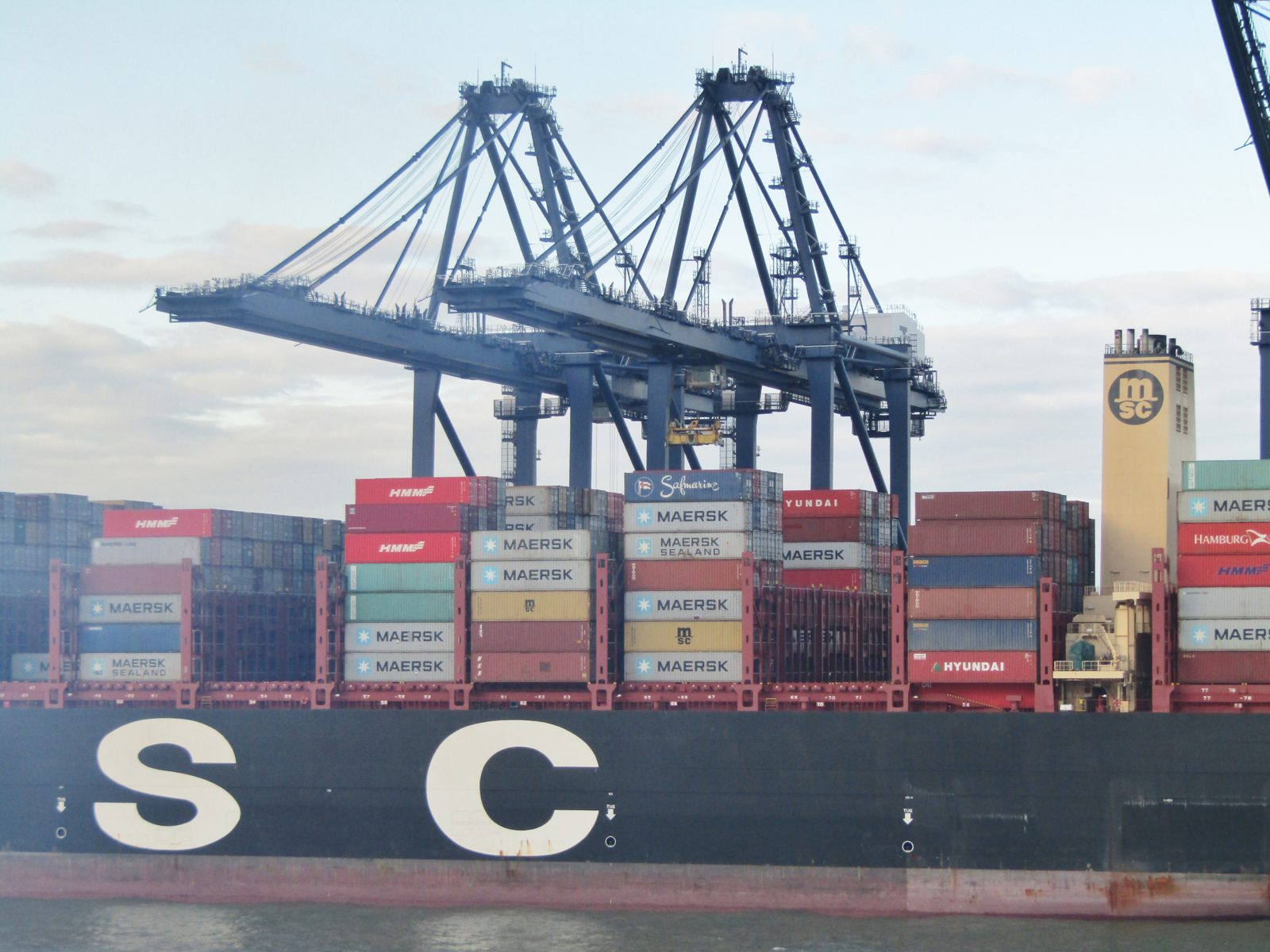
As of 2026-03-22 22:00 UTC, the UK Carbon Border Adjustment Mechanism (CBAM) is no longer mainly a policy-announcement story. The policy direction is already fixed: commencement on 1 January 2027, five initial sectors, and a tax architecture tied to UK carbon pricing. The live issue in 2026 is operational: whether importers and administrators can build reporting, verification, and payment workflows that function at customs pace before the first filing cycle opens.[1][2][4][5]
The latest official sequence makes that shift explicit. Primary legislation moved through the Finance (No.2) Bill 2025-26 route; draft secondary regulations were published on 10 February 2026 for technical consultation, with the first consultation window closing on 24 March 2026.[4][5] In practical terms, the file has crossed from “what is CBAM” to “can the system run without avoidable friction”.
What is now fixed, and what is still moving
What is fixed in current policy materials:
- Start date: CBAM begins on 1 January 2027.[1][2][3]
- Initial sector scope: aluminium, cement, fertiliser, hydrogen, and iron & steel.[1][2][3]
- Registration threshold: liability and registration duties begin when relevant imports exceed £50,000 under the policy tests.[1][2]
- Payment rhythm: first accounting period runs through calendar year 2027, with payment due by end-May 2028; then periods move to quarterly cadence.[2]
What is still moving in 2026:
- Detailed secondary-rule drafting and notices that govern registration data fields, return mechanics, record-keeping, and reimbursement pathways.[4][5]
- Guidance detail for actual-versus-default emissions data handling and evidence standards in day-to-day filing workflows.[2][4]
- Parliamentary scrutiny path where technical legal wording can still change before finalization.[4]
This is why the current risk profile looks less like policy reversal and more like implementation mismatch.
The mechanism that now matters: data architecture, not headline policy
CBAM design is intended to make imported carbon-intensive goods face a comparable domestic carbon signal, with rate logic linked to UK ETS parameters and free-allocation treatment.[1][2] But the mechanism only works if three operational layers stay synchronized:
- Customs event capture (what crossed the border, under which commodity code and procedure).
- Emissions attribution (verified actual values or default values, with evidence traceability).
- Tax return and payment flow (registration status, period logic, adjustments, and deadline discipline).
Any break between those layers translates into either under-collection risk, over-compliance burden, or filing volatility for importers. The policy paper itself flags significant business impact, including an estimate that around 10,000 importing businesses will be affected and that one-off plus ongoing compliance costs are expected.[1]
Why 2026 is a readiness year
The timing window is narrow enough to matter. With commencement locked to 1 January 2027 and secondary-rule consultation still active in early 2026, importers face a parallel workload: track legal finalization while building internal controls that can survive first-year reporting.
Four concrete pressure points stand out:
- Commodity-code governance: in-scope determination is commodity-code driven, and errors at that layer propagate into filing and payment outcomes.[1][2]
- Threshold monitoring discipline: firms close to the £50,000 threshold need near-real-time visibility to avoid late registration exposure.[1][2]
- Data-source strategy: choosing where to use verified actual emissions versus default values has direct cost and audit implications.[1][2]
- Calendar translation: organizations must convert policy dates into internal close calendars, ownership maps, and systems controls before first-year reporting begins.[2][4]
In short, this is not a thesis fight about whether carbon leakage exists. It is a systems integration project with fiscal consequences.
UK–EU ETS linkage is a strategic upside, not an immediate simplifier
The UK policy package notes that UK and EU leaders agreed on 19 May 2025 to work towards linking their ETS frameworks, and that such a link could support mutual CBAM exemptions subject to compliance with each side’s legal provisions.[2][6] That direction is strategically important. It does not remove the immediate domestic implementation burden for 2026.
For operators, linkage is an upside scenario that may reduce medium-term cross-border friction if implemented. It is not a substitute for current-year readiness on UK registration, data, and return obligations.
What to watch over the next 90 days
A practical monitoring set for operators and policy teams:
- Secondary-rule closure quality: whether the post-consultation drafting resolves operational ambiguity on returns, evidence, and record standards.[4][5]
- Guidance release timing: whether HMRC guidance arrives early enough for ERP/reporting build cycles before 2027 go-live.[2]
- Importer preparation depth: whether firms move beyond legal briefings into tested workflows (classification, data lineage, internal controls).[1][2]
- Legislative stability signals: whether parliamentary scrutiny produces material scope or method adjustments.[4]
Uncertainty boundary and falsifier
The central claim here is that 2026 risk is now concentrated in implementation readiness, not in policy intent. This claim weakens if final secondary rules and guidance land early with low interpretive ambiguity and importers demonstrate broad operational readiness by late 2026.
It strengthens if legal architecture advances on schedule while importer data quality, registration timing, and filing-control maturity remain uneven through the first reporting cycle.
Sources
- GOV.UK policy paper — Carbon Border Adjustment Mechanism (scope, threshold, impacts, timeline, tax architecture)
- GOV.UK factsheet — Factsheet: Carbon border adjustment mechanism (payment cadence, emissions scope choices, UK ETS interaction, next steps)
- GOV.UK consultation outcome — Consultation on the introduction of a UK carbon border adjustment mechanism (launch confirmation, response volume, sector decisions)
- GOV.UK publication — Carbon border adjustment mechanism (CBAM): Policy Summary (secondary-rule staging and technical consultation timeline)
- GOV.UK consultation page — Draft regulations: Carbon Border Adjustment Mechanism (CBAM) (open technical consultation and close date)
- GOV.UK summit document — UK-EU Summit - Common Understanding (HTML) (cooperation direction relevant to ETS-link pathway)
- Wikimedia Commons image source — Felixstowe - Container Port - geograph.org.uk - 6641400.jpg