As of 2026-04-23 21:34 UTC, the Food and Drug Administration's April 13 announcement is best read as a change in posture rather than a change in law. The agency said it had already sent messages on March 30 to more than 2,200 companies and researchers associated with more than 3,000 registered clinical trials that appear to be missing required results information on ClinicalTrials.gov, or may not have completed the National Library of Medicine's quality-control review process.[1] FDA paired that campaign with a stark number: by its internal analysis, 29.6% of studies highly likely to fall under mandatory reporting requirements had no results information submitted.[1]
The legal duty itself is not new. ClinicalTrials.gov's FDAAA 801 framework still says the standard deadline for required results information is no later than one year after the trial's primary completion date, while certain certifications can delay submission and limited extensions can be requested for good cause.[2] The live news is that FDA is trying to make this rule look less like a quiet paperwork obligation and more like an enforceable public-health file.[1][3]
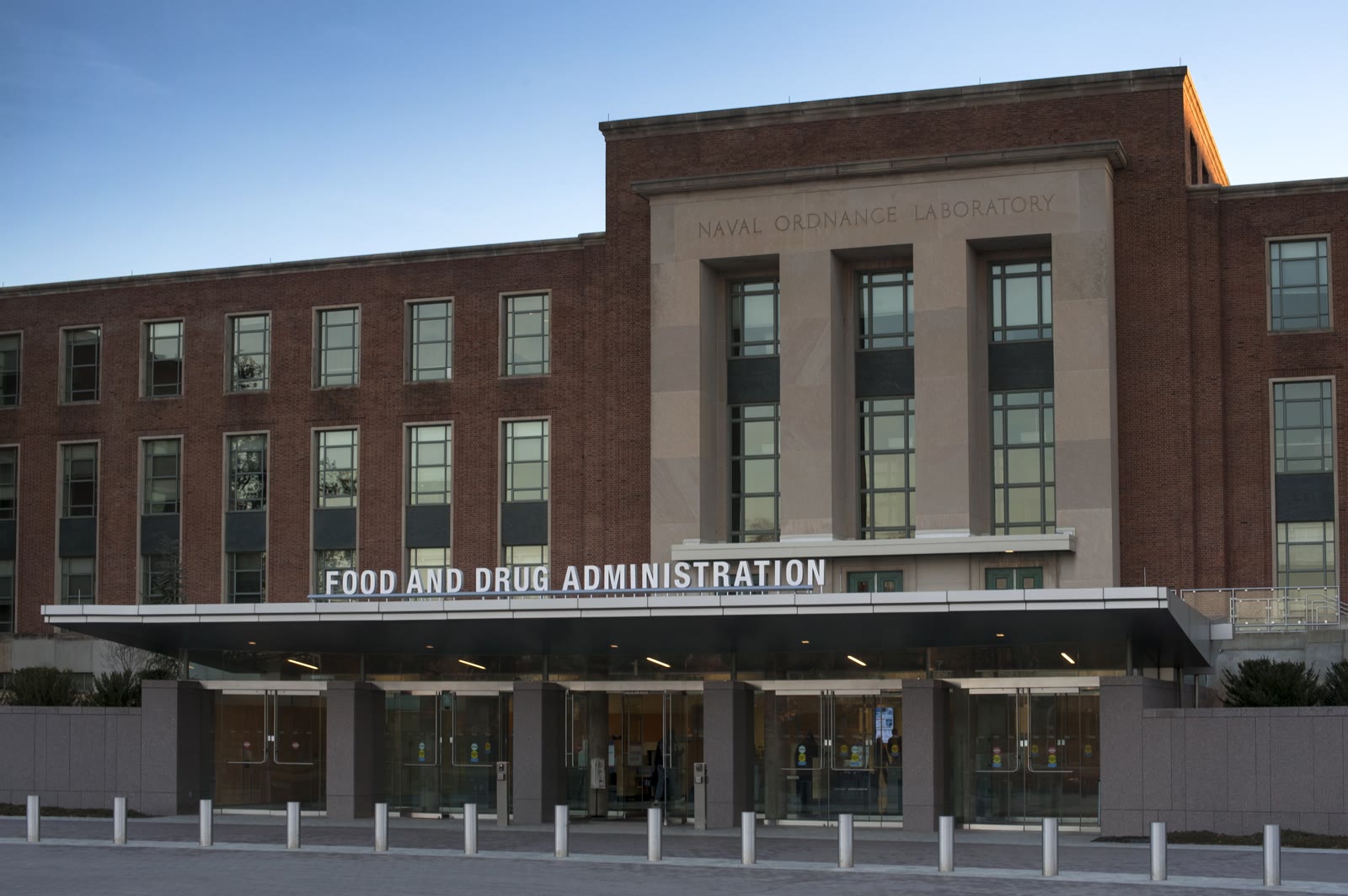
Image context: the cover uses the FDA entrance rather than a stock lab visual because this is not a molecule-discovery story. It is a real agency-compliance story about who reports evidence to the public record, when that record becomes usable, and how seriously the regulator intends to chase missing results.[7]
Facts on the file
| Item | What is known | Confidence note |
|---|---|---|
| Public announcement | FDA announced on April 13, 2026 that it had reminded more than 2,200 sponsors and researchers to disclose required trial results information.[1] | High; this is the agency's own press release. |
| Scope of outreach | The March 30 messages were tied to 3,000+ registered trials, including some publicly funded studies.[1] | High; FDA states this directly. |
| Legal baseline | Required results are generally due no later than 1 year after the primary completion date, with some certified delays and limited extensions.[2] | High; this comes from ClinicalTrials.gov policy guidance. |
| What the messages cover | FDA said some targets appear not to have submitted required results; others may not have completed NLM quality-control review.[1] | High for the categories FDA described; individual study status can vary. |
| Enforcement ladder | FDA says it can move from voluntary-correction opportunities to Pre-Notices, Notices of Noncompliance, and potentially civil money penalties.[3][4][5] | High; described on FDA enforcement pages and guidance. |
| Public enforcement history | FDA's public notices page shows a relatively short list of formal Notices of Noncompliance, with entries dating from 2021 through 2025.[4] | High for the visible public record as of FDA's page current date; some enforcement activity may occur before or outside a posted notice. |
What FDA actually changed
The key distinction is between obligation and visibility. FDA did not announce a new reporting statute, a new clinical-trial registry, or a new technical standard for results formatting.[1][2] What it announced was a campaign to surface a long-existing requirement and press lagging responsible parties before deciding whether to escalate.[1]
That sequencing matters. FDA's ClinicalTrials.gov oversight page says the agency's compliance work is designed to give responsible parties an opportunity for voluntary corrective action before enforcement, and that the agency uses a risk-based approach to prioritize the greatest public-health risks.[3] The April 13 press release fits that model exactly: thousands of messages first, then the possibility of Pre-Notices and formal Notices of Noncompliance later.[1][3][4]
It also matters that FDA did not say every targeted record reflects total inaction. Some may involve results that were not submitted at all; some may involve submissions that have not made it through the National Library of Medicine's quality-control review process.[1] That distinction is administratively important, but it does not erase the practical problem. Until the information is properly posted, clinicians, researchers, and patients still face a thinner public record than the law intends.[1][3]
Why this file matters now
Clinical-trial transparency has lived for years in an awkward space: ethically central, legally required, but often weakly visible in everyday enforcement. FDA's own background materials say transparency supports scientific advancement, honors the participation of trial volunteers, and strengthens public trust by creating a robust public record.[3] The agency's 2025 FDA Voices essay goes further, saying many sponsors still do not report results even after the final rule took effect in 2017 and pointing to recent research showing persistent non-compliance.[6]
That is why the notices page matters. FDA plainly has the authority to act, and its public page says failure to fix violations after a Notice of Noncompliance can lead to civil money penalties within 30 calendar days, along with other potential enforcement tools such as injunctions or criminal prosecution.[4] But that same page also shows how limited the visible public notice history has been: the listed notices form a short table, not a mass-cleanup campaign.[4] The April 2026 reminder push narrows the gap between a broad disclosure mandate and a comparatively small public enforcement footprint.
The civil-penalty guidance reinforces that this is not only rhetoric. FDA's 2020 guidance is explicit that the agency can assess penalties for failure to submit required registration or results information, for false or misleading submissions, and for related certification failures.[5] In other words, the regulatory architecture has been there. The missing question was whether FDA would use public reminders and notice pathways aggressively enough to change sponsor behavior at scale.
What to watch next
The first thing to watch is whether the reminder campaign produces a visible wave of late postings over the next several weeks. That would not mean the reporting gap vanished; it would mean FDA successfully converted soft outreach into usable public records without yet leaning on the harsher tools.[1][3]
The second thing to watch is escalation. If the same file starts generating more Pre-Notices and formal Notices of Noncompliance than the sparse public record seen on FDA's notices page, the message to sponsors changes from "you should report" to "the agency is now counting and naming laggards."[4] That is the point where ClinicalTrials.gov compliance stops being a background legal risk and becomes an operating issue for general counsel, regulatory affairs teams, and academic medical centers.
The third thing to watch is who lags. FDA's 2025 essay cites research suggesting that large industry sponsors often report more reliably than academic medical centers because they are more likely to have dedicated compliance infrastructure.[6] If April's push lands unevenly, the next pressure point may not be large pharmaceutical companies alone. It may be university and hospital research systems that run many trials but have thinner centralized reporting capacity.
The base case is modest but meaningful: more records get cleaned up, and the agency proves it can improve the registry without immediately moving to penalties. The downside case is also clear. If reminders do not convert into either timely postings or visible escalation, the April announcement will look like another warning shot that left the basic reporting gap intact.
For now, the most accurate reading is narrower than a transparency crusade and more consequential than a press-office reminder. FDA has taken a rule that long existed in the background and moved it closer to a live compliance track. Whether that becomes a better public evidence base depends on what happens after the messages.[1][4][5]
Sources
- U.S. Food and Drug Administration, "FDA Reminds More Than 2,200 Sponsors and Researchers to Disclose Trial Results" (April 13, 2026).
- ClinicalTrials.gov, "Frequently Asked Questions" - results information submission deadlines under FDAAA 801 and the Final Rule.
- U.S. Food and Drug Administration, "FDA's Role: ClinicalTrials.gov Information."
- U.S. Food and Drug Administration, "ClinicalTrials.gov - Notices of Noncompliance and Civil Money Penalty Actions."
- U.S. Food and Drug Administration, "Civil Money Penalties Relating to the ClinicalTrials.gov Data Bank" (final guidance, August 2020).
- U.S. Food and Drug Administration, George Tidmarsh, "FDA Focuses on Closing the Clinical Trial Reporting Gap for Research Integrity" (September 26, 2025).
- Wikimedia Commons, "File:FDA Entrance (16792957331).jpg" (cover image source).