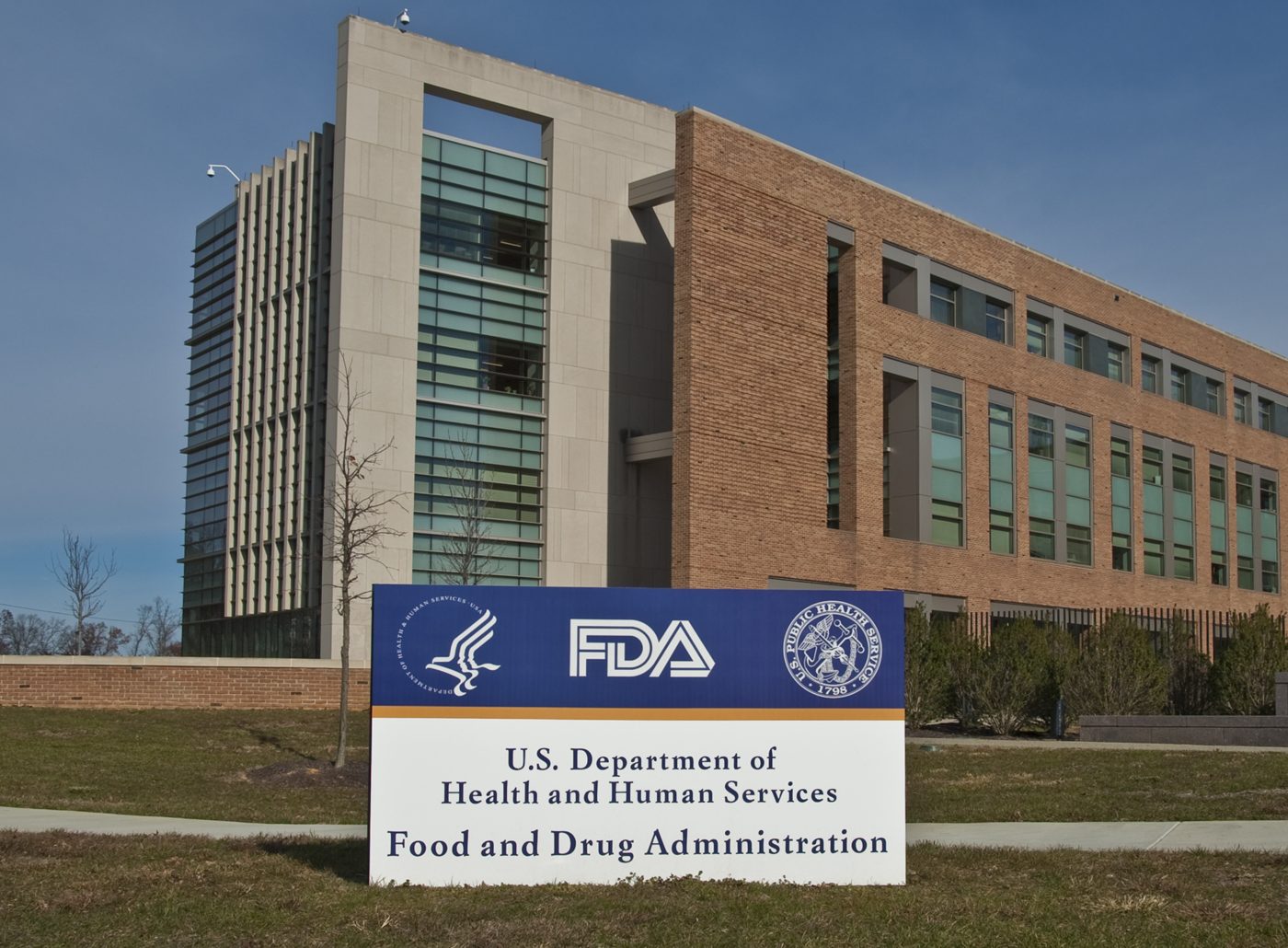
As of 2026-06-10 01:05 UTC, the useful news is not that every U.S. sunscreen aisle changes overnight. The real shift is upstream. FDA announced on June 9, 2026 that it added bemotrizinol to the permitted sunscreen active ingredients list, calling it the first new active ingredient added to the over-the-counter sunscreen monograph since the late 1990s.[1]
That matters because U.S. sunscreens are regulated as nonprescription drugs, not just cosmetics. A new active ingredient has to fit the OTC monograph rules before companies can legally market products without a separate new drug application. FDA's final-order page says the action amends OTC Monograph M020 and sets conditions for products containing bemotrizinol, including concentration, permitted combinations with other active ingredients, combinations with skin protectants, and dosage forms.[2]
The immediate consumer message is narrower than the headline. FDA's updated sunscreen guidance says bemotrizinol has been added as a permitted active ingredient, but also states that once the final order is in effect, manufacturers determine when products become available on retail shelves.[3] In other words: the regulatory door opened; the shelf clock now moves through formulation, labeling, production, distribution, and brand decisions.
Fact File
| Item | What is known now | Confidence note |
|---|---|---|
| Regulatory action | FDA says it added bemotrizinol to the permitted sunscreen active ingredient list on June 9, 2026.[1] | High; direct FDA press announcement. |
| Formal order | FDA's OTC Monographs@FDA page lists Final Administrative Order OTC000039, amending OTC Monograph M020 to add bemotrizinol.[2] | High; direct FDA order page. |
| Why it is notable | FDA describes bemotrizinol as the first new active ingredient added to the sunscreen monograph since the late 1990s.[1] | High for FDA's framing; AP uses a more than 25-year description.[5] |
| Evidence basis | FDA's December proposal said reviewed data showed UVA and UVB protection, low skin absorption, and rare irritation.[4] | High for the agency's proposed-order summary; final marketing must follow order conditions. |
| Availability | FDA says the manufacturer determines the retail timing once the final order is in effect.[3] AP reports initial U.S. marketing under the Parsol Shield brand, with broader availability after an exclusivity period.[5] | Medium-high; timing depends on manufacturer and retailers. |
| Public-health boundary | FDA still tells consumers to use sunscreen with other protective measures such as clothing, shade, and limiting time in the sun.[3] | High; direct FDA consumer guidance. |
What Changed
For years, the practical complaint around U.S. sunscreen was not that Americans lacked any legal sun protection. It was that the U.S. active-ingredient list moved slowly while Europe, Asia, Australia, and other markets had access to newer filters that could make broad-spectrum products easier to formulate and wear. The Skin Cancer Foundation framed Tuesday's decision as the first new active ingredient added to the FDA sunscreen monograph in more than 25 years and said bemotrizinol is expected to appear under the PARSOL Shield brand name.[6]
FDA's own December 2025 proposed order explains why this particular molecule became the test case. The agency said DSM Nutritional Products submitted an OTC Monograph Order Request asking FDA to add bemotrizinol at concentrations up to 6%. FDA's reviewed data, at the proposal stage, supported protection against both ultraviolet A and B rays, low levels of absorption through the skin into the body, and rare skin irritation.[4] The final order is the conversion of that review lane into permission to market products that conform to the monograph conditions.[2]
The stronger interpretation is that this is an ingredient-access story first and a behavior-change story second. A better filter can help manufacturers build products that people like enough to use regularly, but the filter does not replace the old rules of sun protection. FDA's consumer page still tells people to apply sunscreen 15 minutes before sun exposure, use enough to cover the body, reapply at least every two hours, and reapply more often after swimming or sweating.[3]
What Does Not Change Yet
The first non-change is timing. A press announcement is not the same thing as a bottle in a pharmacy. AP reports that bemotrizinol will initially be sold in the U.S. by DSM Nutritional Products under Parsol Shield and that other manufacturers will gain access after an exclusivity period.[5] That means shoppers should expect a staged rollout, not an immediate category reset.
The second non-change is the role of broad-spectrum use. FDA's guidance says broad-spectrum sunscreens help protect against both UVA and UVB radiation, and that sunscreen should be combined with other measures.[3] Bemotrizinol may make future broad-spectrum formulas more flexible, but a product still has to be used correctly. A neglected bottle, a thin morning layer, or an all-day beach plan without shade and reapplication remains a weak intervention.
The third non-change is that old products are not automatically obsolete. FDA is not telling consumers to discard current legal sunscreens because bemotrizinol exists. The agency's practical advice is still to use sunscreen as directed with other sun-protective measures.[3] The approval expands options; it does not turn yesterday's broad-spectrum SPF product into contraband.
Decision Impact
Next 24 hours: consumers do not need to hunt for a new product immediately. The useful action is to read labels normally: broad spectrum, appropriate SPF, water-resistance timing when relevant, expiration date, and reapplication instructions.[3]
Next 7 days: dermatologists, retailers, and consumer-health editors will need to keep the story grounded. The approval is real, but "new ingredient approved" should not become "you can now stay in the sun longer." FDA's own guidance explicitly rejects treating SPF as a simple time multiplier and places sunscreen inside a wider protection pattern.[3]
Next 30 days: manufacturers and brands should be watched for concrete launch signals: formulations using bemotrizinol, final labels, claimed dosage forms, whether products pair it with other active ingredients, and whether retail timing matches the early public expectations. The final-order conditions, not only marketing language, will determine what can legally reach shelves.[2][5]
Scenarios
Base case: bemotrizinol appears first in a limited set of U.S. products, likely under the Parsol Shield supply lane, while dermatology groups and skin-cancer advocates treat the decision as overdue modernization rather than an instant consumer revolution.[5][6]
Upside case: the new active ingredient lets brands make lighter, more cosmetically acceptable broad-spectrum formulas. If those products are easier to apply generously and reapply without irritation or residue complaints, the approval could improve real-world adherence rather than only the ingredient list.[4][6]
Downside case: the headline outruns the rollout. Consumers may wait for products that are not yet widely available, assume a new filter means old sun-protection habits no longer matter, or miss the difference between an approved active ingredient and a finished product that meets all monograph conditions.[2][3]
What To Watch
The first watch item is the final-order effective path: when the order conditions are fully in force and how FDA communicates any compliance details for products using bemotrizinol.[2]
The second is retail timing. If the first products arrive late or in narrow distribution, the public-health effect will be slower than the approval headline suggests.[3][5]
The third is label discipline. The most useful products will not merely advertise a modern UV filter; they will make broad-spectrum protection, directions, water-resistance limits, and reapplication behavior easy to understand.[3]
The narrow conclusion is that FDA has changed the ingredient clock. That is a meaningful regulatory event after a long stagnant period. But the public-health result will be decided more slowly: by monograph compliance, manufacturer execution, product feel, price, distribution, and whether people still use enough sunscreen often enough when the sun is actually on them.[1][2][3][6]
Sources
- U.S. Food and Drug Administration, "FDA Expands Sunscreen Options for the First Time in 20 Years" (June 9, 2026).
- U.S. Food and Drug Administration, OTC Monographs@FDA, "Final Order OTC000039: Amending Over-the-Counter Monograph M020: Sunscreen Drug Products for Over-the-Counter Human Use" (published June 10, 2026).
- U.S. Food and Drug Administration, "Sunscreen: How to Help Protect Your Skin from the Sun" (content current as of June 9, 2026).
- U.S. Food and Drug Administration, "FDA Proposes Expanding Sunscreen Active Ingredient List" (December 11, 2025).
- Associated Press, "FDA OKs first new sunscreen ingredient in more than 25 years" (June 9, 2026).
- The Skin Cancer Foundation, "The Skin Cancer Foundation Responds to FDA Approval of First New Sunscreen Active Ingredient in More Than 25 Years" (June 9, 2026).
- Wikimedia Commons, "File:FDA Sign & Bldg 21 at Entrance (5204602349).jpg" (FDA White Oak campus photograph by the U.S. Food and Drug Administration).