As of 2026-11-01 00:33 UTC.
The Food and Agriculture Organization of the United Nations launched updated land-use planning guidelines on October 29 at the UN biodiversity conference in Yerevan. FAO describes them as the first major revision since 1993, bringing modern spatial information and decision tools into the task of reconciling agriculture, infrastructure, conservation and restoration on the same finite land.[1]
For governments, the immediate change is access to a revised framework. The guidelines are voluntary and non-binding, designed to fit existing national institutions and planning systems. Their publication does not itself change a farm boundary, approve a road or reserve a forest.[1]
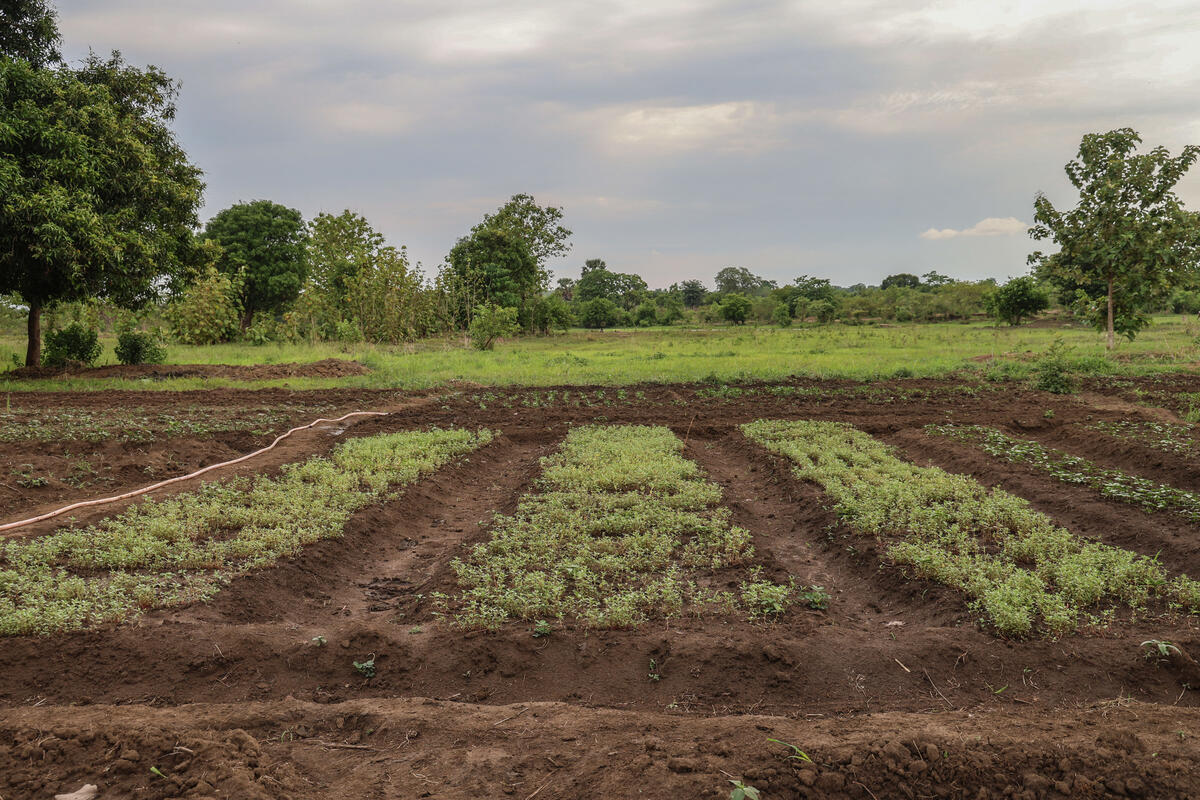
A shared decision about the same land
The planning problem begins when several reasonable ambitions meet in one place. A community may need better access to markets, a farmer may need productive soil, and a conservation programme may seek to protect habitat. Considering each ambition separately can conceal the choices that connect them.
FAO's account of integrated planning calls for physical, social and economic evidence to be considered together, across sectors and levels of government. Its updated approach explicitly includes tenure and the land rights of women and Indigenous Peoples. The process is meant to allow feedback and revision as participants learn more.[2]
Participation has a longer history than this week's launch. The 1993 guidelines already warned against treating planning as instructions handed down to land users. Their opening chapter made local acceptance, political willingness and the capacity to implement a plan conditions for useful work. It also recognized that a proposed conservation measure could fail if it removed access to grazing or fuel without addressing people's needs.[3]
The new framework therefore carries an old practical question into a changed policy setting: who can make an agreed plan happen?
That question has a specific place in the global biodiversity framework. Its Target 1 calls for participatory planning or effective management across all areas, with biodiversity built into decisions and the rights of Indigenous Peoples and local communities respected. The aim includes reducing the loss of areas important for biodiversity to near zero by 2030.[4]
The CBD Secretariat's guidance makes clear that this reaches beyond designated reserves. Farms, settlements, freshwater systems and other working landscapes belong in the assessment. A country can consequently face a planning challenge even where the choice is between several everyday uses, rather than between development and a newly protected area.[4]
In Morocco, the plan needed people to carry it out
Earlier research in Morocco shows the scale at which those choices become tangible. A 2022 study by Feras Ziadat and colleagues examined participatory planning in the Souss-Massa region, including the commune of Amskroud. It brought assessments of degradation together with information about households and existing land-management practices.[5]
One example was manure: the study reported widespread use, but also limits on how much could be produced. Livestock numbers, feed and composting capacity constrained expansion. Identifying a useful treatment for soil did not supply the materials needed to apply it.[5]
Consultations produced a Territorial Planning Pact assigning responsibilities to institutions and communities, followed by a three-year action plan. The authors also described interruptions from COVID-19, which affected meetings and fieldwork. This is an earlier account of implementation, not a test of guidelines released in 2026.[5]
Its relevance is the distance between recommending a practice and organizing its use. A plan gains practical substance when it identifies who will do the work, which resources are available and how obstacles will be addressed.
From guidance to an investment decision
A current Mongolia project offers another place to watch. The Economics of Land Degradation Initiative describes work combining economic assessment with FAO's new planning guidelines. Its intended outputs include spatial analysis, economic valuation and a land-restoration investment roadmap, coordinated across the climate, biodiversity and desertification conventions.[6]
The project page schedules a final study for the end of 2026. That is a stated publication plan, not evidence that its proposed investments have been financed or that restoration outcomes have already followed.[6]
FAO also says a forthcoming Practitioners' Guide will turn the new nine-step framework into implementation guidance. Its launch announcement gives no publication date for that companion.[1]
For planners and community organizations, three conditional paths follow from the evidence:
- Base case: agencies adapt the framework to existing plans. Published procedures identifying participating institutions would establish early uptake.
- Upside: a documented planning process changes a funded land-use decision after affected communities examine alternatives. That would provide stronger evidence of practical influence.
- Downside: agencies publish plans without assigning resources or responsibilities. Implementation reviews showing those gaps would weaken claims of progress.
These are assessment criteria, not forecasts or results announced by FAO. A short review checklist can keep the launch in proportion:
- Within 24 hours: distinguish the guidance release from any separate national decision to adopt it.
- Over seven days: identify the local planning authority and the route through which land users can participate.
- Over 30 days: look for a named implementation team, resources and a review process; keep the Mongolia study and companion guide on a longer watchlist.
Those are suggested review intervals, not official deadlines. Evidence that participation is excluded, or that agreed actions lack responsible institutions, would invalidate an early claim that the framework is being meaningfully implemented. The next useful story will be a land-use decision that can be traced from evidence and discussion through to action.
Sources
- FAO, “COP17: FAO launches updated Guidelines to help countries manage competing demands for land, soil and water,” October 29, 2026—launch, scope, voluntary status, forthcoming companion and photograph credit.
- FAO, “Integrated land use planning”—current programme overview, participation, tenure, land rights and an iterative planning process; accessed November 1, 2026.
- FAO, Guidelines for land-use planning, Chapter 1, “Nature and scope,” 1993—local acceptance, implementation capacity and competing uses.
- Convention on Biological Diversity Secretariat, “Target 1: Plan and Manage all Areas To Reduce Biodiversity Loss”—target text and implementation guidance; accessed November 1, 2026.
- Feras Ziadat and colleagues, “Participatory land resources planning to promote sustainable landscape management in rainfed areas-Morocco,” Frontiers in Sustainable Food Systems, August 18, 2022—Amskroud findings, implementation constraints and the Territorial Planning Pact.
- Economics of Land Degradation Initiative, “Economics of Rio Synergies Project”—Mongolia pilot, intended outputs and stated final-study timetable; accessed November 1, 2026.