As of 2026-10-31 09:34 UTC.
Algeria’s Green Dam is receiving new climate funding for a task that extends well beyond planting trees. On October 28, the Green Climate Fund approved a $43 million grant for a seven-year project across six provinces, backed by $56.5 million in Algerian government co-financing. FAO says the work will combine restoration with support for farmers, herders and rural businesses.[1]
The fund’s project record describes a change in approach: managing the landscape together with the rules and livelihoods that shape it. Plans include reform of the 1975 Pastoral Code, a pastoral concession system and climate information services. The record lists the project as approved, with implementation not yet started.[2]
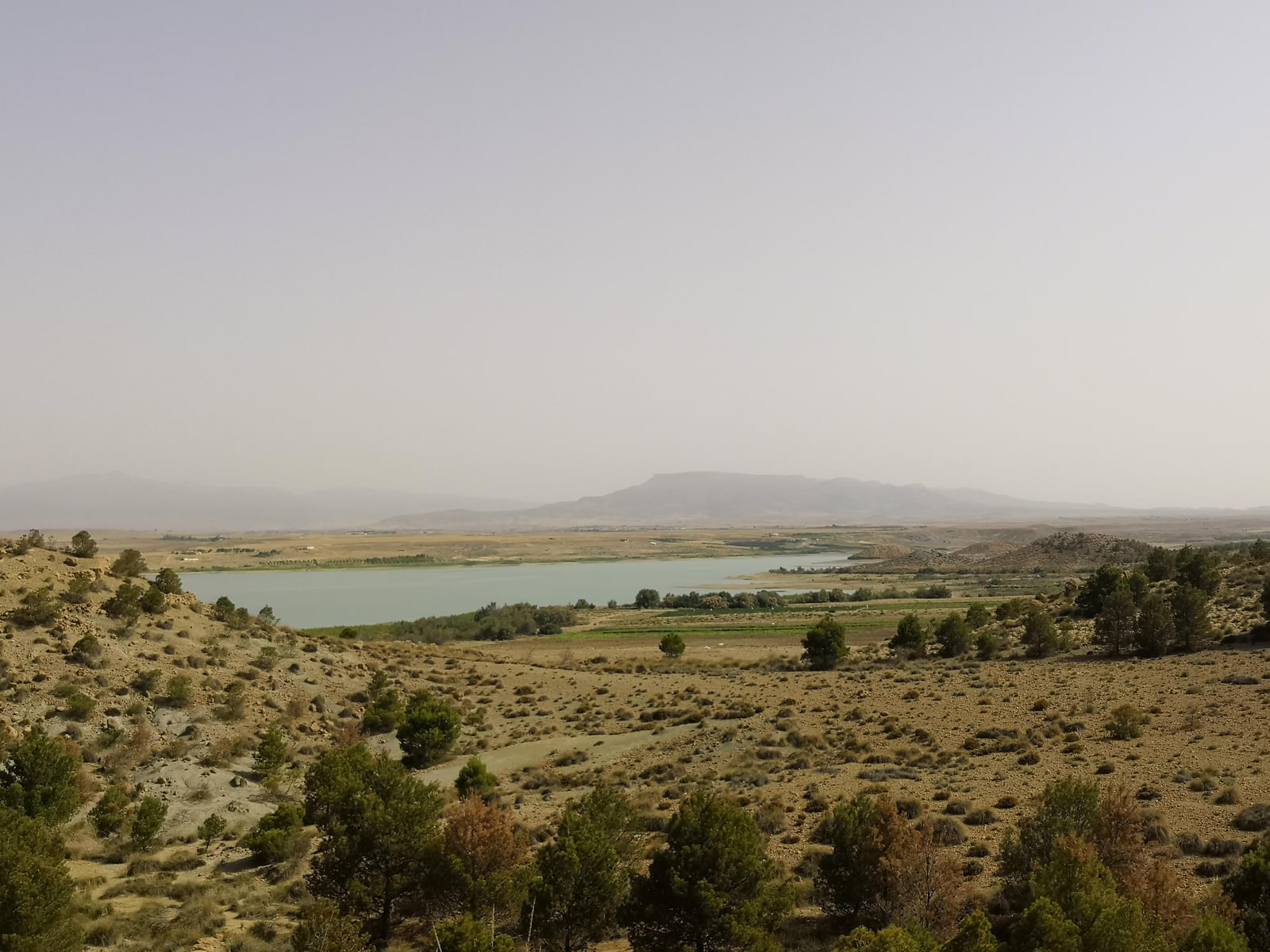
An existing landscape, a new commitment
The announcement arrives during a national rehabilitation programme already under way. On October 23, Algeria’s public news agency APS reported, citing the General Directorate of Forests, that planting under the 2023–2026 programmes had covered about 42,376 hectares. Its public report also identified more than 34,000 hectares planned for 2026–2027.[3]
Those figures describe a different reporting period and programme scope from the new grant. Adding them to the new project’s targets would obscure what has actually been done. Nor does a planted-area total, by itself, establish how much vegetation survived or how local livelihoods changed.
The current evidence separates into three categories:
- Approved financing: GCF records $99.5 million in total project value, combining its grant and government co-financing. This is an approved package, not a statement that all funds have been spent.[2]
- Planned restoration: FAO identifies more than 59,000 hectares of degraded forests, rangelands, dunes and agricultural land for restoration within a wider project area of 454,138 hectares. These are prospective targets.[1]
- Reported earlier activity: APS’s planting figure comes from the forestry directorate. It supplies a recent baseline for the national effort, not an independent evaluation of restoration outcomes.[3]
Why grazing belongs in the story
The Green Dam, launched in 1971, carries a powerful visual idea: vegetation standing against desertification. But the practical problem has long involved people’s access to land. A 2010 FAO programme document, prepared with the African Union Commission, identified insecure tenure, weak community involvement and insufficient attention to ecological and social conditions among the weaknesses of Algeria’s earlier efforts. It also noted improvements in approaches adopted from the 1990s.[4]
That account is historical context, not a verdict on today’s programme. It does explain why a funding announcement about forests contains proposals about grazing rights. An area can be planted without settling who may use it, who maintains it or what happens when livestock need feed.
GCF’s current description connects drought with expanding pressure on open rangelands. Its proposed response includes restoring water systems, growing mixed native species in place of Aleppo pine monocultures, and developing income sources such as prickly pear, olive and wool production.[2] FAO also lists hydroponic forage units and solar equipment for productive uses among the planned investments.[1]
The underlying proposition is that restoration can last when households have workable ways to earn a living alongside it. Whether those measures relieve pressure on the land will require field evidence. The approval establishes the intended approach.
The difficult part may begin at the fence
The project’s September environmental and social management framework makes the tradeoff unusually concrete. It identifies temporary restrictions on grazing or natural-resource access, land-use conflict, water pressure and exclusion from benefits among the potential risks. It calls for consultation, negotiated arrangements and measures to protect livelihoods, and says the project will not finance involuntary physical displacement.[5]
For a household using seasonal grazing routes, an enclosure that helps vegetation recover may also interrupt access to feed or water. This is why participation has to influence where and how restoration happens. A general commitment to consultation cannot settle every site’s competing uses.
The framework says site-specific management plans will follow once locations and technical designs are confirmed. It also provides for community complaints, field supervision and monitoring.[5] Those documents and accounts from affected households will help establish whether the promised safeguards work in practice.
What follows approval
Three conditional paths are useful for following the project:
- Base case: implementation begins with published workplans and local arrangements. That would move the project beyond approval while leaving ecological results to be measured over time.
- Upside: monitoring shows recovering vegetation alongside reliable access to resources and livelihood benefits. Those combined findings would support the project’s central proposition.
- Downside: access disputes, exclusion or water pressures persist without remedies. Such evidence would challenge the design even if planting totals rise.
For local organizations, development partners and readers tracking the funding, the next checks are practical:
- Within 24 hours: distinguish approved funding from disbursement, and targets from completed work.
- Over seven days: check for implementation notices, named local contacts and consultation arrangements before assuming participation is open.
- Over 30 days: look for workplans, safeguard responsibilities and a usable complaints channel. These are review intervals, not announced delivery deadlines.
A published implementation start would supersede the current status. Evidence of unresolved harm would weaken the assessment that the safeguards are being delivered. The most revealing follow-up will connect what happens to the vegetation with what happens to the people who use the land.
Sources
- FAO, “Green Climate Fund approves landmark projects supporting forest conservation, sustainable livestock production, land restoration and climate-resilient development,” October 28, 2026 — Algeria funding, restoration targets and planned livelihood measures; photograph credited to FAO Algeria.
- Green Climate Fund, FP310: “Improving Climate Resilience in the Steppe and Dry Forest Areas of the Algerian Green Dam” — approval dated October 28, 2026; financing, governance proposals and implementation status checked October 31.
- Algérie Presse Service, “Over 42,000 hectares planted from 2023 to 2026,” October 23, 2026 — publicly accessible lead reporting General Directorate of Forests figures; the remainder requires a subscription.
- FAO and African Union Commission, “Support for the mobilization of action to implement the Great Green Wall for the Sahara and Sahel Programme in five selected countries,” 2010, page 3 — historical assessment of Algeria’s Green Dam experience.
- FAO, “Improving climate resilience in the steppes and dry forest areas of the Algerian Green Dam: Environmental and social management framework,” September 2026 — executive summary and monitoring arrangements; repository record with the full report.