As of 2026-05-02 19:06 UTC, the easy headline on the European Union's 20th sanctions package is that Brussels added another large batch of Russian names to its lists.[1][5] That is true, and the legal acts are substantial. But the more useful headline is narrower: this package is trying to tighten the transport, insurance, payment, and re-export channels that let Russian war revenue keep circulating even after earlier rounds of sanctions.[1][2][3][4][5]
The package still matters as a listings file. The Commission says it includes 120 further individual listings, the biggest package of listings in two years.[1] But the operational center of gravity sits elsewhere: 46 additional vessel listings, more pressure on the shadow-fleet ecosystem, new restrictions around tanker sales and port infrastructure, 20 additional Russian banks, new restrictions aimed at Russian crypto rails, and the first activation of the EU's anti-circumvention tool against persistent re-export leakage through the Kyrgyz Republic.[1][2][3][4][5]
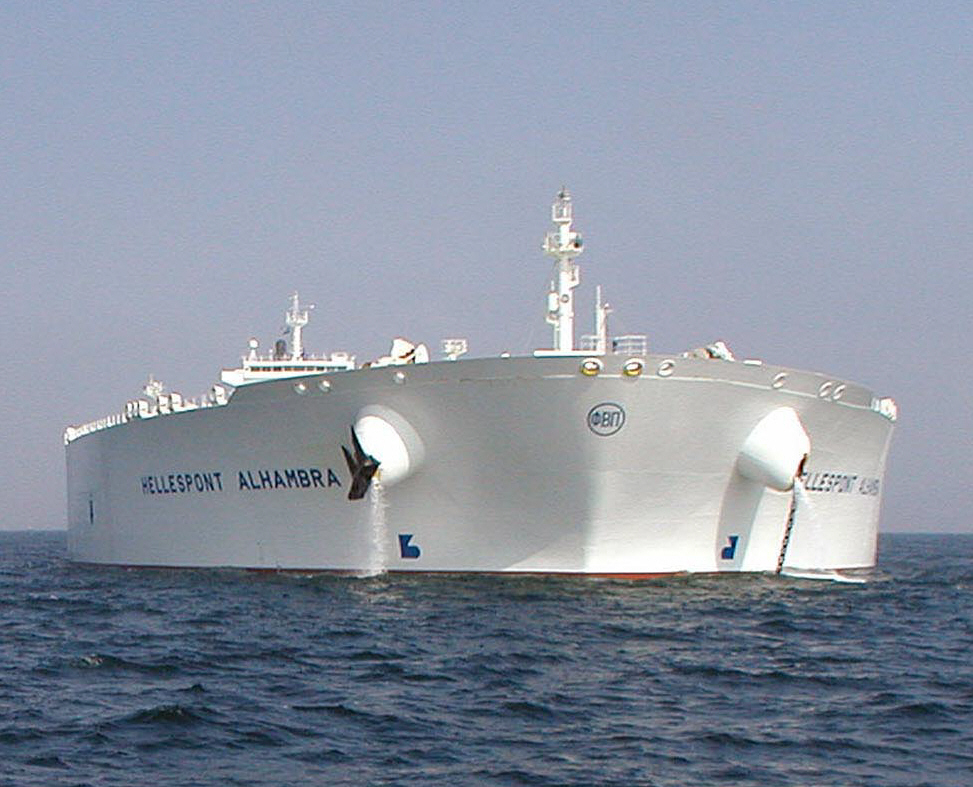
Image context: the cover uses a real supertanker photograph rather than a flag montage or courtroom image. That is the right visual here because this package is now aimed at physical and financial throughput: ships, ports, insurers, banks, and the transaction channels that turn Russian exports into usable state revenue.[6]
Fact file
| Item | What is live now | Confidence note |
|---|---|---|
| Adoption and scale | The Commission says the 20th package adds 120 further individual listings, the biggest listing round in two years.[1][5] | Strong. Directly stated in the Commission summary and reflected in the implementing act. |
| Energy and shadow fleet | The package adds 36 energy-sector listings, a significant maritime insurer, and 46 additional vessel listings, bringing the EU total to 632 shadow-fleet vessels while also delisting 11 vessels that returned to compliance.[1][4][5] | Strong. Directly stated in the Commission summary and linked to the legal acts. |
| Port and shipping lane | The EU listed the Russian ports of Murmansk and Tuapse and, for the first time, a third-country port, Karimun Oil Terminal in Indonesia, for links to shadow-fleet operations and oil-price-cap circumvention.[1][2][3] | Strong. Directly stated in the Commission summary and grounded in the economic-measures act. |
| Future maritime services ban | The package creates the legal basis for a future ban on transporting Russian crude oil and petroleum products, with the Council to decide later when it takes effect and what wind-down period applies.[1][2][3] | Strong. The Commission summary and economic-measures act describe this as a future step rather than an immediate switch. |
| Banking and crypto | The Commission says the EU extended its ban to 20 additional Russian banks, bringing the number excluded from access to the EU internal market to 70, and widened the transaction ban to four banks in Kyrgyzstan, Laos, and Azerbaijan. It also imposed a sectoral ban on exchanges with Russian crypto-asset service providers and decentralised platforms enabling crypto trading.[1][2][3] | Strong. Direct from the Commission summary and connected legal acts. |
| Anti-circumvention tool | The EU activated its anti-circumvention tool for the first time against the Kyrgyz Republic over persistent re-export of certain machine tools and telecommunications equipment used in Russian drone and missile production.[1][2][3] | Strong. The Commission summary describes this explicitly as the first activation. |
What actually changed
The cleanest way to read this package is as a move from volume of sanctions toward architecture of sanctions. Earlier rounds often landed in public discussion mainly as a list of new names, entities, and banned goods. This round still does that, but it is more directly about the system that lets earlier evasion routes survive.[1][2][5]
The shipping lane is the clearest example. The EU is not only naming more vessels. It is widening pressure across the support stack around them: the shadow-fleet operator layer, maritime insurance, tanker resale, port infrastructure, and the possibility of a later maritime-services ban if the Council chooses to turn that legal basis into force.[1][2][3][4] That matters because sanctions on oil exports become more effective when the EU can make transport and servicing scarcer, more expensive, and more visible, not only when it adds one more cargo or shipowner to a spreadsheet.
The inclusion of Murmansk, Tuapse, and Karimun Oil Terminal shows the same logic.[1][2][3] The EU is no longer treating circumvention as a vessel-only problem. It is identifying the fixed places where shadow-fleet logistics touch port infrastructure and service chains. That makes the package harder to read as a symbolic gesture and easier to read as an attempt to raise friction at chokepoints.
Why the payments lane matters as much as the tanker lane
The second major shift is in financial plumbing. The package widens the ban to twenty more Russian banks, extends the transaction ban to four third-country banks the EU says support the Russian war effort, and adds a sectoral ban around Russian crypto-asset service providers and decentralised platforms used for circumvention.[1][2][3]
That combination matters because oil revenue only becomes strategically useful when it can be settled, moved, and reused. A ship can still sail; the harder question is whether counterparties, intermediaries, and substitute rails remain available on workable terms. By moving on banks and crypto together, the EU is showing that it sees sanctions evasion as a settlement problem as much as a cargo problem.[1][2][3]
This is also why the package reaches toward RUBx and the digital rouble.[1] The policy goal is not merely to ban one narrow payment instrument. It is to constrain the next layer of alternatives before they scale into reliable sanctions workarounds. In that sense, the package is trying to close future detours while also tightening today's routes.
Why the anti-circumvention tool is the most important legal signal
The first activation of the EU's anti-circumvention tool may prove more consequential than any single vessel listing. The Commission says the measure responds to systematic and persistent failure by the Kyrgyz Republic to prevent re-export of certain machine tools and telecommunications equipment imported from the EU and then redirected into Russian weapons production.[1][2][3]
That is a different kind of escalation. Instead of sanctioning only the final Russian recipient or adding more exporters to watchlists after the fact, the EU is using a country-specific tool against a persistent diversion route. In practical terms, that tells exporters, distributors, and compliance teams that third-country routing is no longer treated merely as background enforcement noise. It can now become the subject of a named EU trade response when leakage stays structural enough.[1][2][3]
The same logic appears in the package's broader military-industry element. The Commission says 60 entities were added to the list of those directly or indirectly supporting Russia's military-industrial complex or engaging in sanctions circumvention.[1][2][3] The package is therefore trying to connect three layers at once: end users, intermediaries, and the jurisdictional pathways between them.
What to watch in the next 30 days
The first live question is whether the Council actually turns the new legal basis for a maritime-services ban into an operative ban, and on what timetable.[1][2][3] Until that happens, the package has created a new threat point more than an immediate full shipping cutoff.
The second question is whether the shadow-fleet and payment measures produce real throughput stress or merely more rerouting. If ports, insurers, banks, and crypto intermediaries adapt quickly enough, the package will look broader on paper than in export flow data. If adaptation is harder, the pressure lands faster in freight, settlement, and compliance cost.[1][2][3][4]
The third question is whether the anti-circumvention tool stays a one-off warning or becomes a reusable template. If the EU starts applying it to other third-country re-export lanes, the package will look less like a single Russia round and more like a new enforcement posture around the geography of circumvention itself.[1][2][3]
The narrow bottom line is this: the EU's 20th package still contains a large naming round, but the live strategic change is infrastructural. Brussels is now leaning harder on the ships, ports, banks, crypto rails, and re-export jurisdictions that keep Russian trade and war finance functional after earlier sanctions rounds.[1][2][3][4][5]
Sources
- European Commission Directorate-General for Financial Stability, Financial Services and Capital Markets Union, EU adopts 20th package of sanctions against Russia (23 April 2026).
- Council Regulation (EU) 2026/506 of 23 April 2026 amending Regulation (EU) No 833/2014 concerning restrictive measures in view of Russia's actions destabilising the situation in Ukraine.
- Council Decision (CFSP) 2026/508 of 23 April 2026 amending Decision 2014/512/CFSP concerning restrictive measures in view of Russia's actions destabilising the situation in Ukraine.
- Council Regulation (EU) 2026/511 of 23 April 2026 amending Regulation (EU) No 269/2014 concerning restrictive measures in respect of actions undermining or threatening the territorial integrity, sovereignty and independence of Ukraine.
- Council Implementing Regulation (EU) 2026/509 of 23 April 2026 implementing Regulation (EU) No 269/2014 concerning restrictive measures in respect of actions undermining or threatening the territorial integrity, sovereignty and independence of Ukraine.
- Wikimedia Commons, File:Hellespont Alhambra-223713 v2.jpg - source page for the supertanker photograph used as the article image.