As of 2026-04-09 20:09 UTC, EPA's April 6 oil-and-gas action is easiest to understand as a targeted field rollback, not as a wholesale erasure of the 2024 methane regime. The agency finalized two practical changes: temporary flaring during maintenance can now run for 72 hours instead of 24 hours, and net-heating-value sampling for vent gas from flares and enclosed combustion devices has been relaxed except in narrower edge cases involving inert gases or other miscellaneous scenarios.[1] EPA says the package will save $2.5 billion over 15 years, cut up to 141,000 tests per year, and produce no emissions changes from the NHV compliance-demonstration revisions themselves.[1]
That is real relief for operators, but it is narrower than the surrounding rhetoric suggests. EPA's own release says another proposal is still being developed to further amend the 2024 rule, which means this week's action is better read as the first completed slice of a larger reconsideration file than as the final shape of the Trump administration's oil-and-gas rewrite.[1][3] The broad architecture of OOOOb/c is still there. What changed first are the two places where the rulebook presses directly on day-to-day site operations: how long a flare can run during maintenance and how much vent-gas testing a site must keep doing.[1][5]
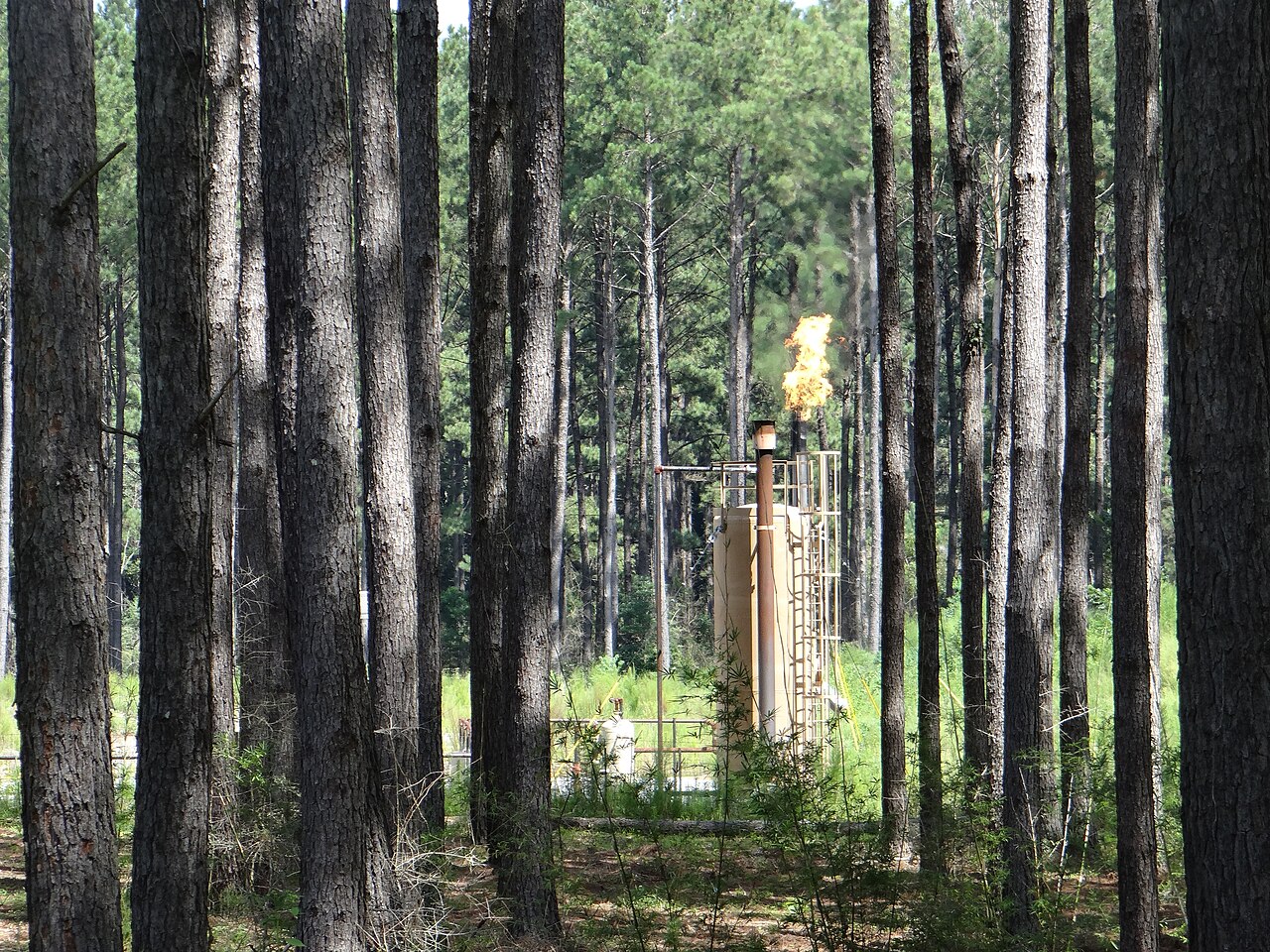
Image context: the header image shows a real flare at an oil well pad because this story turns on the operating reality of flaring itself. The live policy question is not abstract methane accounting in the round. It is how much time and testing EPA now allows around flare management in the field.[6]
What EPA actually changed
The April 6 action does two concrete things. First, it widens the maintenance flaring window. EPA says the 2024 rule had phased out routine flaring from new sources but allowed temporary flaring for up to 24 hours in maintenance situations. The new final rule pushes that allowance to 72 hours and adds the possibility of more time when site access is constrained by severe weather, personnel shortages, or supply-chain problems outside the operator's control, so long as records are kept and the events are reported.[1]
Second, it softens the NHV testing burden tied to flare and enclosed-combustion-device compliance. EPA says owners and operators no longer need to perform NHV sampling from flares or enclosed combustion devices except where inert gases or similar special cases are present, and the agency also removed the general exemption from NHV monitoring for associated gas for control devices used at well-site affected facilities.[1] The practical message is that EPA is reducing routine sampling volume while still keeping a narrower testing lane for unusual gas streams.
Calling this a testing retreat is an inference from the official record, not EPA's phrase.[1][2] But it is the cleanest description of what changed. The agency did not finish a broad reconsideration of methane controls across the whole rule. It pulled back on a specific monitoring burden that industry had been contesting and that EPA had already identified as a technical reconsideration target in 2024.[5]
Why this is narrower than repeal talk
The best way to see the limits of the rollback is to place April 6 inside the longer timeline. EPA's March 12, 2025 reconsideration announcement was expansive in tone: the agency said it was reconsidering Biden-Harris oil-and-gas regulations under Clean Air Act section 111 and Subpart W of the Greenhouse Gas Reporting Program.[3] That sounded like a much broader deregulation file than the one completed this week.
The actual sequence since then has been more incremental. In November 2025, EPA finalized an interim rule that extended several OOOOb/c compliance deadlines, gave states more time around the emissions-guidelines planning process, and converted a 120-day NHV extension into a 180-day one, while estimating $750 million in savings over 11 years.[4] That move bought time. The April 6, 2026 rule goes further by changing the substance of two contested requirements. But even now, EPA is still describing another proposal as forthcoming, which means the administration has not yet finished deciding how much of the 2024 regime it wants to rewrite.[1][4]
The 2024 baseline also matters. EPA's methane-rule page shows that the March 8, 2024 final package was much larger than the two issues adjusted this week, and the same page notes that EPA had already granted reconsideration in May 2024 on narrow technical issues related to flare monitoring and emergency operations.[5] In other words, the two pieces relaxed on April 6 were not random. They were the same operational fault lines that surfaced almost immediately after the 2024 rule landed.
Why the field impact is still real
Even a narrow rollback can matter materially when it hits the parts of the rule that operators touch most often. A 24-hour maintenance flaring cap forces a different repair and logistics discipline than a 72-hour cap, especially at remote sites or during bad-weather windows.[1] The additional exigent-circumstances time goes further by recognizing that crews, access, and equipment do not always move on an urban timetable.
The NHV change has a similar texture. EPA is explicitly reducing the number of tests and the associated laboratory and personnel burden.[1] That does not mean the whole methane framework disappears. It means compliance shifts away from one especially repetitive measurement lane while the rest of the OOOOb/c structure remains in force or in reconsideration.[1][4][5]
This is why the story should be read as a field rollback rather than a symbolic rollback. The April 6 action lands exactly where operations teams, compliance staff, and service providers feel the rule most immediately: flare windows, sampling schedules, reporting, and repair timing. The broader political argument around energy dominance is headline language. The actual rule change is more specific.[1][3]
What to watch next
The next important question is whether EPA's promised follow-on proposal stays narrow or opens much more of the 2024 file.[1] Three things matter most:
- whether the agency keeps later changes concentrated on monitoring, flaring, and timing mechanics, or moves deeper into the super-emitter and broader methane-control architecture described on EPA's oil-and-gas rule pages;[4][5]
- whether operators treat the April 6 rule as a lasting compliance reset or as interim relief before another round of redesign;[1][3]
- whether future EPA actions continue the same pattern seen since 2025: first deadline relief, then targeted technical relaxation, with broader reconsideration still pending.[3][4]
The narrow conclusion is stronger than the broad slogan. EPA did not finish dismantling the 2024 oil-and-gas methane regime on April 6. It made two high-friction parts of that regime easier to live with in the field and left the larger rewrite for later.[1][5]
Sources
- U.S. Environmental Protection Agency, "EPA Continues to Unleash Domestic Energy with Revisions to Burdensome, Unworkable Biden-era Oil and Natural Gas Regulations, Saving Americans Billions in Energy Costs" (April 6, 2026).
- U.S. Environmental Protection Agency, "2026 Final Rule to Reduce Burden on the Oil and Natural Gas Industry."
- U.S. Environmental Protection Agency, "Trump EPA Announces OOOO b/c Reconsideration of Biden-Harris Rules Strangling American Energy Producers" (March 12, 2025).
- U.S. Environmental Protection Agency, "2025 Interim Final Rule to Extend Compliance Deadlines."
- U.S. Environmental Protection Agency, "EPA's Final Rule to Reduce Methane and Other Harmful Pollution from Oil and Natural Gas Operations and Related Actions."
- Wikimedia Commons, "File:Natural Gas Flare.jpg" (image source).