As of 2026-08-23 09:35 UTC, a federal judge had vacated the State Department policy that stopped immigrant-visa issuance to nationals of 75 countries. The order also set aside refusals based solely on that policy and returned those applications to consular officers.[1]
That is broad relief, but it is not a batch approval. Judge Jeannette A. Vargas expressly declined to dictate an outcome or a process for the returned cases. A consular officer may still refuse an application on a valid, applicant-specific ground; the officer may no longer refuse it because the applicant's nationality appears on the vacated list.[1]
The distinction matters because several different visa restrictions now overlap. This ruling concerns the 75-country immigrant-visa policy announced on January 14 and effective January 21. It does not, by itself, erase a separate presidential proclamation restricting visa issuance or entry for nationals of 39 countries, convert an immigrant visa into guaranteed admission, or change tourist and student visas that were outside this particular pause.[1][2][3]
The implementation picture was not yet complete at the cutoff. The State Department's public page still described the 75-country pause as operative and carried a February 2 update date.[2] The department told the Associated Press that it was maintaining high screening and vetting standards and would not comment on pending litigation.[4] No source cited here supplies a post-ruling consular instruction or a timetable for reopening individual files.
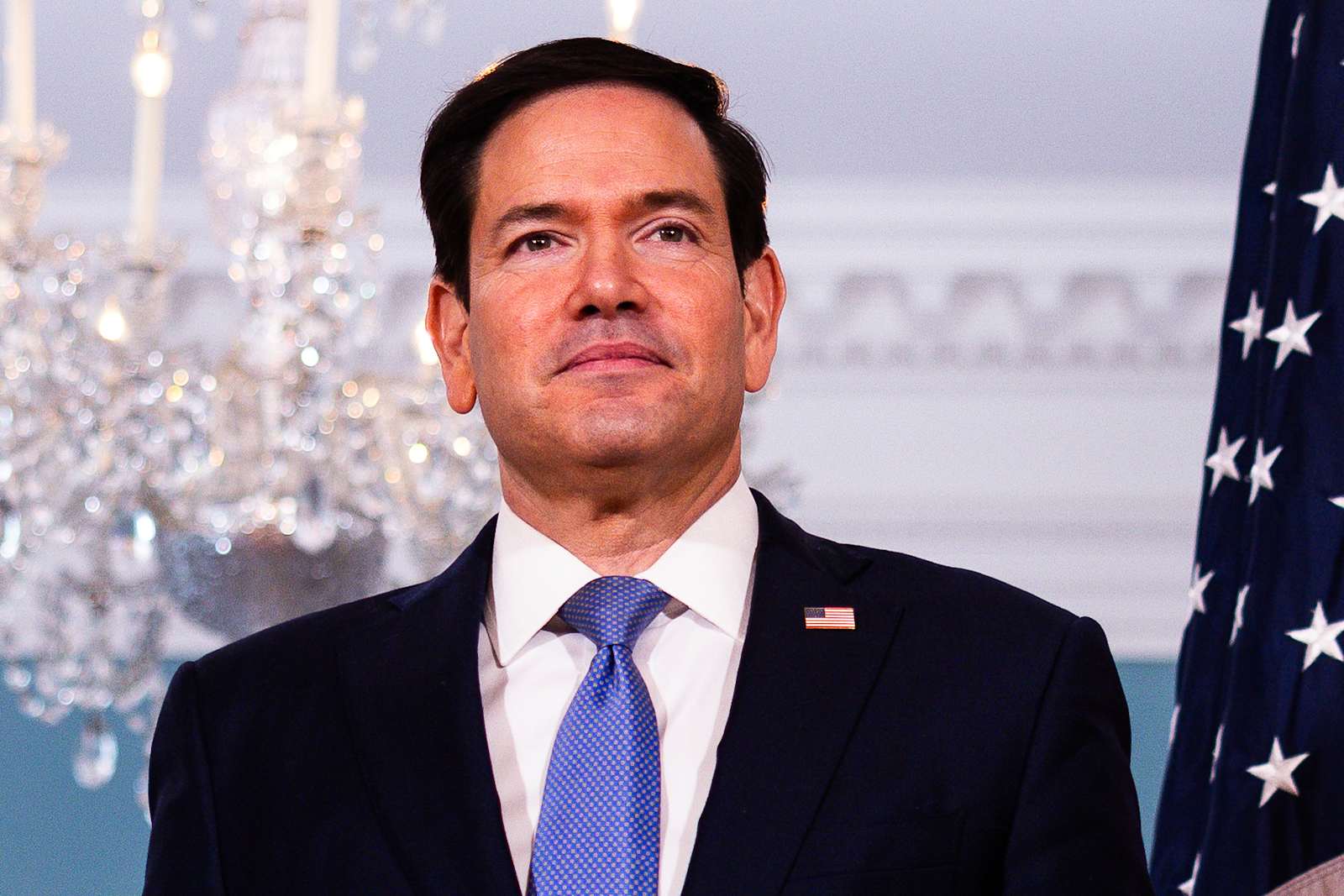
Image context: the cover is an Associated Press file photograph of Secretary of State Marco Rubio at the State Department on August 11. It identifies the official whose January cable implemented the policy; it does not depict the court hearing, a consular interview or an affected applicant.[4]
The record at the cutoff
| Question | Verified answer | Boundary |
|---|---|---|
| What did the court vacate? | The January 14 announcement and implementing cable that categorically suspended immigrant-visa issuance for nationals of 75 countries.[1] | The ruling is a partial judgment in one ongoing case, not a judgment on every immigration policy adopted by the administration. |
| What happens to old refusals? | A refusal based solely on the 75-country policy is set aside and remanded to a consular officer.[1] | A refusal resting on another legal ground remains intact, even if the notice also cited the policy. |
| Does remand mean approval? | No. The officer again decides whether to issue or refuse under the governing statutes and regulations.[1] | The court ordered no particular outcome or processing sequence. |
| Which visa class was covered? | Immigrant visas—used by people seeking to relocate permanently—were covered by this policy.[1][2] | The State Department's own guidance said tourist visas were not covered; separate rules can still affect nonimmigrant applicants.[2][3] |
| Did the ruling guarantee U.S. entry? | No. An immigrant visa permits travel to a port of entry to request admission.[1] | Admission remains a separate decision; a visa is not an entry guarantee. |
| What is the main operational unknown? | How and when the department and individual consular posts will identify, reopen and adjudicate affected cases.[1][2][4] | A still-live webpage is evidence of an information lag, not proof that every consulate is defying the order. |
The cable kept the interview and predetermined the result
The policy was called a “pause,” but the administrative mechanism was a mandatory refusal. The January 14 cable told consular officers to keep interviewing applicants and to assess all possible grounds of ineligibility. If an applicant from one of the 75 countries was not refused on another ground, however, the officer was still directed to refuse under Section 221(g) while the department developed additional screening tools.[1]
The mandate reached cases that had already cleared an individualized assessment. The cable said that if an applicant produced evidence overcoming a public-charge refusal, the officer should document that finding and then refuse under the nationality-wide policy anyway. It also directed posts to reopen cases that had been approved when the printed visa had not yet left the consulate.[1]
That design is why the court treated the dispute as more than a disagreement over how strictly to screen. Federal law assigns the grant or refusal of visas to consular officers, limits refusal under Section 221(g) to statutory ineligibility or a defective application, and bars discrimination in immigrant-visa issuance because of nationality, among other protected traits. Vargas found that the cable displaced each officer's statutory judgment with an outcome selected by the secretary.[1]
The department's public explanation said it was reviewing policy for countries whose immigrants it deemed at high risk of using welfare or becoming public charges. The administrative record selected countries where Council of Economic Advisers data showed more than 30% of immigrant households receiving some form of public assistance, subject to foreign-policy exceptions.[1][2] The court did not hold that public-charge law had disappeared. It held that the department could not translate a country-level statistic into a mandatory nationality-level refusal after an applicant had otherwise proved eligibility.
Vacatur is wider than an exemption—and narrower than a visa
The plaintiffs included two organizations, six U.S. citizens sponsoring relatives and five people pursuing employment-based immigrant visas. Yet the remedy was not limited to those named parties. Under the Administrative Procedure Act, the court set aside the policy itself and every refusal based solely on it. The opinion distinguished that remedy from a universal injunction: it nullified an unlawful agency action rather than merely shielding particular plaintiffs from enforcement.[1][6]
That breadth is consequential. Someone from Brazil, Ghana or Pakistan did not need to be a named plaintiff for the nationality-wide rule to lose legal effect. But the next step remains case-specific. The court remanded affected refusals because Congress gave consular officers exclusive authority to decide those applications. It did not order officers to issue visas, waive documentation, overlook another inadmissibility ground or move every returned case to the front of a queue.[1]
The word solely controls the boundary. If a refusal cited only the vacated policy, the order sets it aside. If an officer also found the applicant ineligible under a separate provision, the court left that decision standing—even if the notice mentioned the 75-country policy too.[1] A headline saying that all previous denials were reversed would therefore be wrong.
The September 11 date in the opinion is another easy place to overread. It is the deadline for the parties to submit proposals about how to proceed on claims that remain in the lawsuit. The order does not say the vacatur waits until September 11 to take effect.[1] Future docket action, including an appeal or a request to stay the judgment, could change the live position; the present order itself supplies no such delay.
Three other gates remain separate
First, the 39-country proclamation. Presidential Proclamation 10998 took effect January 1 and fully or partially suspended visa issuance and entry for specified nationals and people using Palestinian Authority travel documents, with stated exceptions. Several countries appear on both lists. The plaintiffs' case page explicitly says the 75-country challenge did not address that proclamation.[3][6] An applicant can therefore be freed from the public-charge freeze and still face a separate proclamation-based restriction.
Second, ordinary immigrant-visa eligibility. Public charge remains one ground of inadmissibility, assessed through the applicant's circumstances. Health, family status, assets, resources, financial status, education and skills can be relevant; an affidavit of support may also matter. The ruling restores individualized adjudication—it does not abolish the statutory test.[1]
Third, admission at the border. Visa issuance and entry are legally distinct. A visa allows its holder to travel and ask to be admitted; it does not compel Customs and Border Protection to admit the traveler.[1] This report is therefore about the State Department's issuance rule, not a blanket right to enter the United States.
These boundaries are not semantic caution around the edges of a large victory. They determine whether a family should expect a reopened file, a new refusal on another ground, continued restriction under a different policy, or eventual permission to travel.
The evidence clock
Next 24 hours — watch instructions, not slogans. The decisive documents would be a State Department implementation notice, updated public guidance, case-specific communication from a consular post, or a new court filing that changes the order's effect. Applicants should preserve refusal notices, appointment records and case-status screenshots; a generic social-media claim is not a substitute for a notice tied to the correct case and policy.
Next seven days — look for a remand pathway. Consular posts may need to identify refusals resting solely on the cable, distinguish them from mixed-ground refusals and decide whether a new interview or additional evidence is required. The court gave no common timetable.[1] A credible update should say which files are being reopened, what action applicants must take, and whether previously scheduled interviews or retained passports are affected.
Next 30 days — separate the appeal track from the remaining claims. The parties' September 11 joint letter should address the lawsuit's unresolved claims, not relitigate the meaning of an applicant's individual record.[1] Any appeal or stay request belongs on a separate procedural track. Monthly issuance statistics may later show whether visa output changes, but aggregate data will lag and cannot explain a particular case.[5]
Three conditional paths
Base path — individualized processing resumes unevenly. The department implements the vacatur, but consular posts move at different speeds and some applicants receive new requests or valid refusals on other grounds. Trigger: official guidance acknowledges the vacatur while case updates remain post-specific and staggered.
Clarity path — the department publishes one auditable process. A central notice identifies the affected refusal code, explains whether applicants must act, gives posts a common remand procedure and clearly distinguishes the 75-country policy from Proclamation 10998. Trigger: matching public guidance and consular communications replace the February page.[2][3]
Reversal path — later court action pauses the change. The government seeks review and a court stays all or part of the judgment while litigation continues. Trigger: a filed, signed stay order—not the mere possibility of an appeal or an unchanged State Department webpage.
These are observable branches, not probability estimates. Different applicants can occupy different branches when separate visa restrictions overlap.
Reporting and practical checks
- Affected applicants and sponsors: retain every refusal notice and communication, verify which legal grounds were cited, and look for instructions from the responsible consular post. Do not treat this report or a headline as individualized legal advice.
- The State Department and consular posts: replace the outdated 75-country guidance with a dated implementation notice, explain how solely policy-based refusals will be identified, and state clearly which separate restrictions remain.[2][3]
- Lawyers and service organizations: distinguish a vacated refusal from an approved visa and distinguish the January 21 policy from the January 1 proclamation when communicating with clients.
- Journalists: avoid saying the court “granted visas,” “ended all travel bans” or struck down restrictions on tourists and students. None of those claims follows from this order.[1][2][3]
Invalidate the report's central assessment that individualized review has returned if a later court order stays or reverses the vacatur, or if the August 21 judgment is amended to delay its effect. Update the operational section when the State Department publishes binding guidance or consular posts begin issuing case-specific remand notices. Until then, the legal result is clearer than the administrative handoff: the nationality-wide refusal rule is set aside, other eligibility rules remain, and the next decision belongs to a consular officer.
Sources
- U.S. District Court for the Southern District of New York, Catholic Legal Immigration Network, Inc. v. Rubio, Opinion and Order, Document 83 (August 21, 2026) — 61-page primary ruling on the policy, statutory reasoning, vacatur, remand, limits and September 11 deadline.
- U.S. Department of State, “Immigrant Visa Processing Updates for Nationalities at High Risk of U.S. Public Benefits Reliance” (last updated February 2, 2026) — official description of the 75-country pause, covered visa class, interviews and exceptions.
- U.S. Department of State, “Suspension of Visa Issuance to Foreign Nationals to Protect the Security of the United States” (last updated February 2, 2026) — separate restrictions under Presidential Proclamation 10998, affected countries, categories and exceptions.
- Michael Casey, Associated Press, “Federal judge vacates Trump policy that suspended processing of immigration visas from 75 countries” (updated August 22, 2026) — current report, State Department response and source page for Tierney L. Cross's photograph.
- U.S. Department of State, “Immigrant Visa Statistics” — official publication hub for monthly and annual issuance records.
- Western Center on Law & Poverty, “CLINIC v. Rubio” (updated August 21, 2026) — case timeline, ruling document, plaintiff scope and stated boundaries separating the 75-country case from other visa restrictions.