As of 2026-05-06 05:34 UTC, the Securities and Exchange Commission has taken the first formal White House review step toward undoing its 2024 climate-disclosure rules. The Office of Information and Regulatory Affairs now lists a proposed SEC rule titled “Rescission of Climate-Related Disclosure Rules,” received on May 4, 2026.[1]
That filing matters because it changes the live question. The 2024 rule was already dormant. The SEC stayed it in April 2024 while the Eighth Circuit litigation played out, and in March 2025 the Commission voted to stop defending it in court.[4][5] The new development is that the agency has now moved from courtroom disengagement to formal notice-and-comment rollback machinery.[1][7]
The easy overstatement is to read that as “federal climate disclosure is over.” The harder and more accurate reading is narrower. What is being dismantled is the SEC’s standardized 2024 climate-rule package. What remains in place, at least on the current source record, is the older materiality-based disclosure framework that predates that package and that the SEC’s 2010 interpretive guidance described in detail.[5][6]
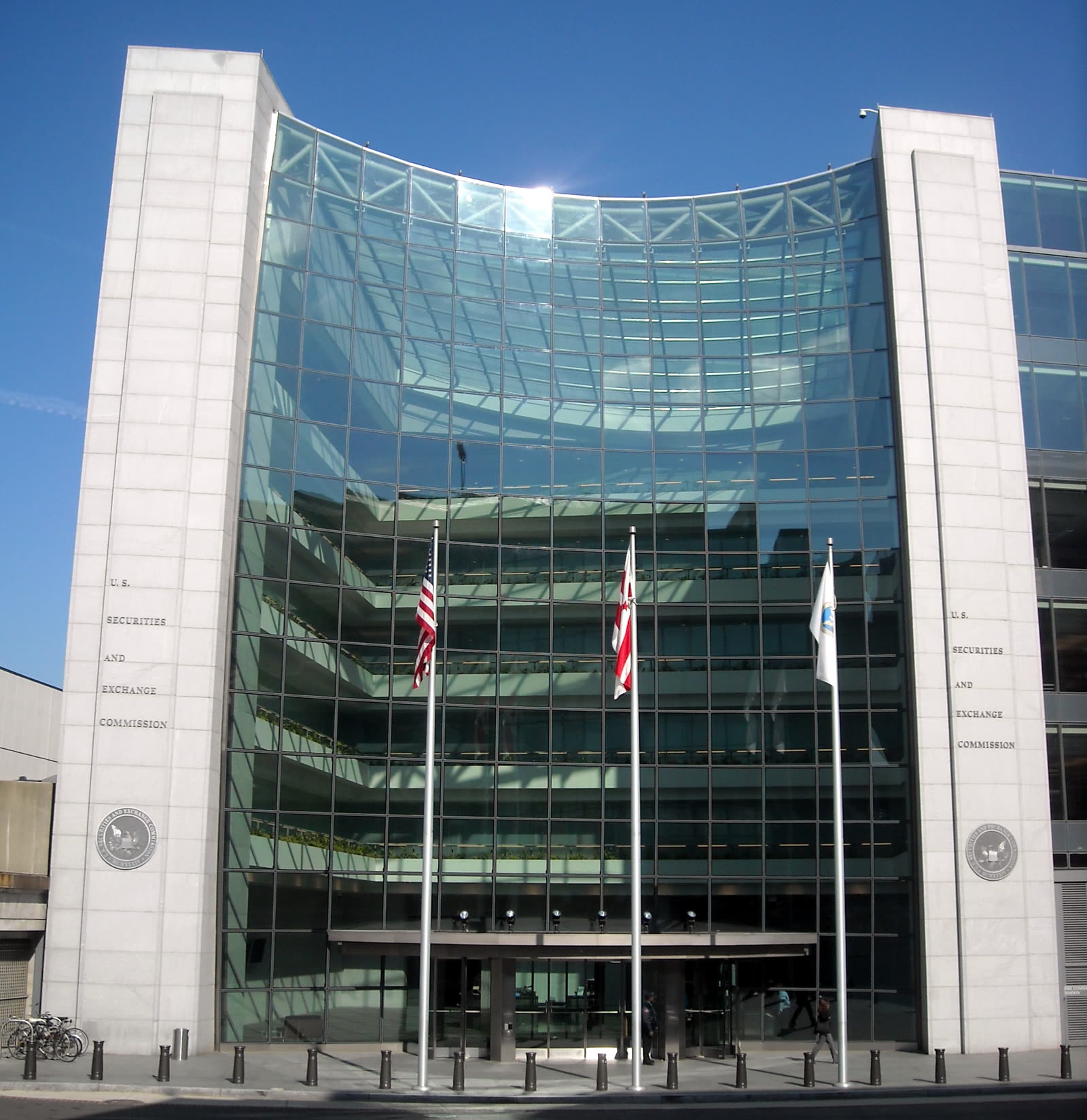
Image context: the cover uses a real photograph of SEC headquarters because this is a rulemaking and litigation story, not a wildfire, smokestack, or trading-floor story. The pressure point sits inside the federal disclosure system itself.[8]
Facts on the file
| Item | What is live now | Confidence note |
|---|---|---|
| OIRA status | OIRA lists “Rescission of Climate-Related Disclosure Rules” for the SEC as a proposed rule received on May 4, 2026.[1] | High; direct federal review page. |
| 2024 baseline | The SEC adopted the climate-disclosure rules on March 6, 2024 to require more standardized climate-risk disclosure in filings.[3] | High; direct SEC release. |
| Rule status | The Commission stayed those final rules on April 4, 2024 pending judicial review of the consolidated Eighth Circuit petitions.[5] | High; direct SEC stay order. |
| Litigation posture | The SEC voted on March 27, 2025 to end its defense of the rules in court.[4] | High; direct SEC release. |
| Older framework | The SEC’s 2010 interpretive guidance on climate-related disclosure under existing securities-law requirements remains separately published, and the April 2024 stay order expressly said it did not stay other SEC guidance.[5][6] | High; direct SEC documents. |
| What is uncertain | OIRA review does not by itself tell the public the exact rescission text, final timeline, or whether the SEC will stop at full repeal or also reshape adjacent guidance.[1][2] | Medium-high; current public record shows the step, not the finished rule text. |
1. What changed this week
Until now, the climate-rule story had been defined by suspension and avoidance. The SEC adopted the 2024 rules, challengers sued immediately, the Commission stayed the rules pending review, and the agency later withdrew from defending them in the Eighth Circuit.[3][4][5] That sequence signaled hostility to the rule, but it left one structural ambiguity in place: was the Commission simply leaving a stayed rule to die in court, or was it prepared to do the administrative-law work needed to repeal it itself?
The May 4 OIRA entry is the clearest public sign that the SEC has chosen the second path.[1] Commissioner Caroline Crenshaw had already argued in July 2025 that if the Commission wanted to rescind, repeal, or modify the rules, it would have to go through notice-and-comment rulemaking rather than hoping the courts solved the problem for it.[7] The pending OIRA review is not the whole rescission. It is the opening gate to that process.
Reuters, citing the OIRA notice and an SEC spokesperson, reported on May 5, 2026 that the agency is working to rescind the rule and return disclosure to matters the SEC considers material to investors and within its legal authority.[2] That does not settle what the final proposal will say, but it does clarify the agency's direction. The rollback is no longer only an inference from litigation tactics.
2. Why this does not take federal climate disclosure to zero
The 2024 rule was a special package: it sought more standardized climate-risk disclosures, specific filing placement, and a tighter reporting architecture than the older regime provided.[3] Rescinding that package would remove the SEC's most ambitious climate-specific disclosure build. It would not automatically erase every climate-related disclosure duty that can arise under ordinary securities-law materiality analysis.
The SEC's 2010 interpretive guidance is the key reason.[6] That guidance explains how existing disclosure requirements can require climate-related discussion when the issue is material to the company, including through risk factors, business description, legal proceedings, and management's discussion and analysis.[6] The April 2024 stay order made the boundary even clearer by stating that the stay was limited to the challenged 2024 final rules and did not stay other Commission rules or guidance, specifically citing the 2010 climate guidance.[5]
That distinction is the heart of the present investigation. The live federal shift is from standardized climate disclosure rules toward case-by-case material disclosure expectations. For issuers, that is a meaningful deregulatory move because it weakens one bespoke reporting framework. For investors, it does not produce a clean zero-baseline environment. Climate exposure can still travel into disclosure through ordinary materiality channels when the facts demand it.[5][6]
3. Where the uncertainty now sits
The uncertainty is no longer mainly about whether the 2024 rule is politically welcome inside the current SEC. That answer has been visible for more than a year.[4][7] The uncertainty now sits in implementation detail.
First, OIRA review does not reveal the public text of the rescission proposal.[1] Until the SEC releases the proposal, outside readers do not know whether the agency plans a full repeal with minimal replacement language, a partial rollback that preserves some reporting structure, or a broader reframing that comments on the role of climate within general disclosure doctrine.
Second, the timeline is open. Reuters reported that final action timing is uncertain even after White House review concludes.[2] That means companies and investors are still in an interim period: the 2024 rule remains stayed, the Commission has moved into repeal mode, and the exact end state has not yet been exposed to public comment.
Third, the evidentiary center of gravity is shifting. Under a standardized rule, the fight is over scope, line items, attestation, and phase-in calendars. Under a materiality-driven regime, the harder questions are comparative and company-specific: which climate-linked risks are material enough to belong in filings, what evidence supports that judgment, and how consistently does management apply that judgment across risk factors, MD&A, and other sections of the filing record.[5][6]
4. What to watch next
The first checkpoint is the release of the SEC's actual rescission proposal after OIRA review.[1] That document will tell the market whether the Commission is merely deleting the 2024 framework or also trying to restate the climate-disclosure baseline more affirmatively.
The second checkpoint is the comment record. If the proposal draws a sharp split between issuers seeking a narrower disclosure regime and investors seeking comparability across registrants, the SEC will have to explain how far ordinary materiality disclosure can carry investor needs without the 2024 architecture.[3][6]
The third checkpoint is practical communication from the agency and staff. The 2010 guidance remains a published reference point today.[5][6] If the Commission wants the market to understand climate disclosure as a normal subset of existing securities law rather than a special rulebook, future statements, staff comments, and the wording of the rescission release will matter as much as the repeal text itself.
The narrow conclusion is the correct one. As of May 6, 2026, the SEC has not yet completed the rollback of its 2024 climate-disclosure regime, but it has entered the formal rescission lane.[1][2] The more important substantive shift is that federal climate disclosure is moving away from a stayed standardized package and back toward the older, more discretionary materiality framework that never disappeared from the SEC's own guidance.[5][6]
Sources
- Office of Information and Regulatory Affairs, "Pending EO 12866 Regulatory Review: Rescission of Climate-Related Disclosure Rules" (received May 4, 2026).
- Reuters, "Wall Street regulator moves to scrap Biden-era climate rule" (May 5, 2026).
- U.S. Securities and Exchange Commission, "SEC Adopts Rules to Enhance and Standardize Climate-Related Disclosures for Investors" (March 6, 2024).
- U.S. Securities and Exchange Commission, "SEC Votes to End Defense of Climate Disclosure Rules" (March 27, 2025).
- U.S. Securities and Exchange Commission, "Order Issuing Stay" for Enhancement and Standardization of Climate-Related Disclosures for Investors (April 4, 2024 PDF).
- U.S. Securities and Exchange Commission, "Commission Guidance Regarding Disclosure Related to Climate Change" (February 2, 2010).
- U.S. Securities and Exchange Commission, Commissioner Caroline A. Crenshaw, "Statement on the Commission's Status Report in the Climate-Related Disclosure Rules Litigation" (July 23, 2025).
- Wikimedia Commons, "File:U.S. Securities and Exchange Commission headquarters.JPG" (photograph source).