As of 2026-04-15 20:05 UTC, CMS's April 10 fiscal-year 2027 hospital proposed rule should not be read as a one-line 2.4% payment update. That percentage is real: CMS says IPPS payment rates would rise 2.4% for hospitals that successfully participate in the Inpatient Quality Reporting program and remain meaningful EHR users.[1] But the live file is wider than the rate headline. CMS has also opened a June 9, 2026 comment window on quality-program rewrites, graduate-medical-education nondiscrimination language, interoperability changes, and a nationwide mandatory CJR-X episode model set to begin on October 1, 2027.[1][2][4]
That distinction matters because the proposal is doing two jobs at once. One job is annual payment maintenance. The other is to change how hospitals are measured and, in one important service line, how they are held accountable after discharge. AHA's April 10 summary makes the tension explicit: it says the package would raise inpatient payments by about $1.9 billion versus FY 2026 and add $464 million in new-technology payments, but it also highlights a proposed $564 million drop in disproportionate-share and uncompensated-care payments and argues the overall update remains inadequate given higher uninsured rates and broader cost pressure.[3]
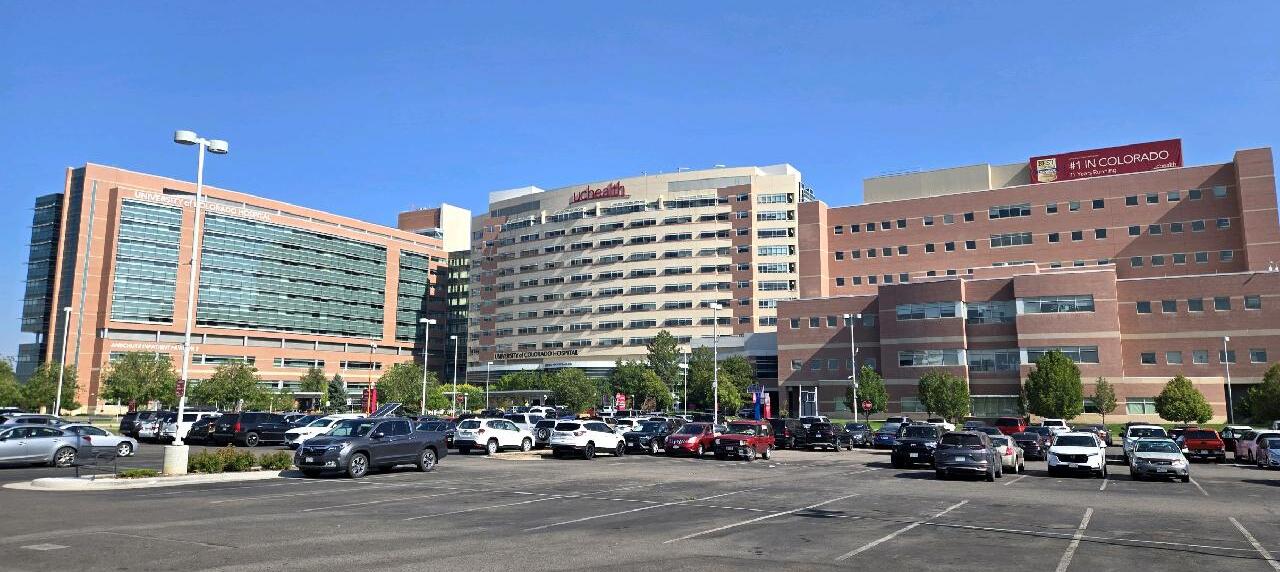
Image context: the cover uses a real hospital-campus photograph because the strongest reading of this rule is operational, not abstract. CMS is adjusting rates, but it is also redefining which outcomes hospitals report, how some measures count Medicare Advantage patients, and how joint-replacement episodes would be managed through recovery. Those choices only become real when they pass through actual wards, case-management teams, and post-discharge coordination.[1][3][4][6]
Fast facts
- Release date: CMS issued the FY 2027 IPPS/LTCH PPS proposed rule on April 10, 2026.[1]
- Formal publication track: CMS's proposed-rule home page says the display date was April 10, 2026, the Federal Register publication date was April 14, 2026, and comments are due by 5 p.m. EDT on June 9, 2026.[2]
- Headline payment update: CMS projects a 2.4% IPPS rate increase and says the proposed changes would generally raise hospital payments by about $1.4 billion.[1]
- Financial dispute around the headline: AHA says the package would still include a $564 million decline in disproportionate-share and uncompensated-care payments even while adding $464 million in new-technology payments.[3]
- Biggest future operating change: CMS says CJR-X would be mandatory nationwide and would begin on October 1, 2027.[1][4]
Why the 2.4% headline is incomplete
The payment percentage is the easiest number to circulate because it compresses the whole proposal into one line. It is also incomplete. CMS's own fact sheet says the 2.4% figure comes from a 3.2% projected hospital market-basket increase reduced by a 0.8 percentage-point productivity adjustment, and that hospitals only receive the full update if they meet reporting and EHR-use conditions.[1] In other words, even the payment story is already conditional before anyone reaches the other policy sections.
Then the file widens. CMS is proposing new Inpatient Quality Reporting measures on excess acute-care days after diabetes hospitalization, postoperative venous thromboembolism harm, and advance-care planning; it also wants to add Medicare Advantage patients to several mortality and excess-days measures while shortening the performance period from three years to two.[1][5] On top of that, the proposal would add a sepsis readmission measure to the Hospital Readmissions Reduction Program and tighten reporting around maternal-morbidity structure and other electronic quality measures.[1][5]
That is why the cleanest description is not "hospital rates are up 2.4%." The rule is also a measurement rewrite. It changes what counts, who gets counted, and which patient populations flow into federally visible hospital performance.[1][5]
The forward-looking operating story is CJR-X
The most consequential non-rate item is the proposed expansion of the Comprehensive Care for Joint Replacement model. CMS says the expanded version, CJR-X, would cover lower-extremity joint replacements in both inpatient and hospital outpatient settings, hold participating hospitals responsible through the first 90 days of recovery, and launch on October 1, 2027.[1][4] That start date matters because it means the hospital rule is already reaching past fiscal 2027 payment maintenance into a later care-delivery model.
This is also the clearest reason not to treat the proposal as a same-week hospital reset. CJR-X is still proposed, not final. The implementation date sits more than a year away. But if CMS keeps the current structure, hospital leaders would need to treat the FY 2027 rule not only as a reimbursement update but also as advance notice that joint-replacement coordination, post-acute relationships, and episode-spending accountability may move back to the center of operational planning.[1][4]
The AHA response shows why this part of the file is likely to draw real pressure during comments. It says hospitals support value-based innovation in principle but argues that mandatory participation is harder for organizations that lack the scale or capital to redesign care pathways quickly.[3] That makes the CJR-X debate less about whether bundled payment exists in theory and more about who has to absorb execution risk on the proposed timeline.
Where the real pressure sits
The near-term pressure sits in the gap between a modest payment update and a larger compliance-and-operations agenda. CMS frames the proposal as a routine annual rule plus targeted quality, interoperability, and payment-model changes.[1][2] Hospitals reading it more defensively will see a narrower margin story: a 2.4% headline increase, uncompensated-care pressure, more program mechanics tied to reporting, and a future mandatory episode model layered on top.[1][3]
Graduate-medical-education language adds another dimension. CMS is proposing to require approved residency programs, along with related nursing and allied-health education programs and accreditors, not to discriminate or promote discrimination on protected grounds, including through intentional proxies.[1][5] Whether one agrees or disagrees with the policy direction, it means the annual hospital rule is also carrying workforce-governance language rather than staying confined to pricing.
The practical consequence is that hospitals do not have only one number to model. They have to read the file across several lanes at once: base-rate math, DSH and uncompensated-care effects, quality-measure denominator changes, readmissions exposure, data-reporting requirements, and the possibility of renewed mandatory episode accountability in orthopedic care.[1][3][4][5]
What to watch next
- By June 9: whether hospital commenters focus more heavily on the adequacy of the rate update or on the mandatory design of CJR-X and the quality-program revisions.[2][3]
- When CMS finalizes the rule later in 2026: whether the agency keeps the Medicare Advantage expansion across hospital measures and the new sepsis readmission metric intact.[1][5]
- Looking ahead to October 1, 2027: whether CJR-X survives substantially as proposed, because that is the clearest sign that this "annual payment rule" is also becoming a forward operating-model file for acute-care hospitals.[1][4]
The strongest reading, then, is narrow but useful. CMS's FY 2027 hospital proposal does include a 2.4% payment update. As of April 15, 2026, that is not the whole story. The more durable signal is a combined payment-and-quality clock: hospitals have until June 9 to fight over the terms, and if CMS keeps the proposal's structure, the rule's most important operational consequence may not arrive until October 1, 2027, when CJR-X is scheduled to begin.[1][2][4]
Sources
- Centers for Medicare & Medicaid Services, "FY 2027 Hospital Inpatient Prospective Payment System (IPPS) and Long-Term Care Hospital Prospective Payment System (LTCH PPS) Proposed Rule — CMS-1849-P" (fact sheet, April 10, 2026).
- Centers for Medicare & Medicaid Services, "FY 2027 IPPS Proposed Rule Home Page" (display date April 10, 2026; publication date April 14, 2026; comments due June 9, 2026).
- American Hospital Association, "CMS issues hospital IPPS proposed rule for FY 2027" (April 10, 2026).
- Centers for Medicare & Medicaid Services, "CJR-X (Comprehensive Care for Joint Replacement Expanded) Model" (accessed April 15, 2026).
- Government Publishing Office / GovInfo, "Medicare Program; Hospital Inpatient Prospective Payment Systems for Acute Care Hospitals and the Long Term Care Hospital Prospective Payment System and Policy Changes and Fiscal Year 2027 Rates; Requirements for Quality Programs; and Other Policy Changes" (Federal Register PDF, April 14, 2026).
- Wikimedia Commons, "File:UCHealth Buildings extended view.jpg" (hospital-campus image source).