As of 2026-04-15 19:08 UTC, the FAA's newest air-traffic-controller campaign should be read as a hiring sprint, not as a same-summer staffing cure. The immediate clock is narrow and administrative: the agency says its annual controller hiring window opens at 12:00 a.m. on April 17, 2026, while the companion applicant checklist warns that the announcement can close early once 8,000 applications have been received, even though the listed end date is April 27.[1][2][3]
That distinction matters because the campaign language is intentionally urgent. Transportation Secretary Sean Duffy and the FAA are pitching the job to a younger recruiting pool with gaming-inflected branding, live help sessions, and a simplified application story.[1][2] But the same official materials also show why this is still a pipeline story. After the application, candidates still have to clear the Air Traffic Skills Assessment, pass medical and security review, complete Academy training in Oklahoma City, and then spend one to three years in facility training before they become fully certified controllers.[2][5]
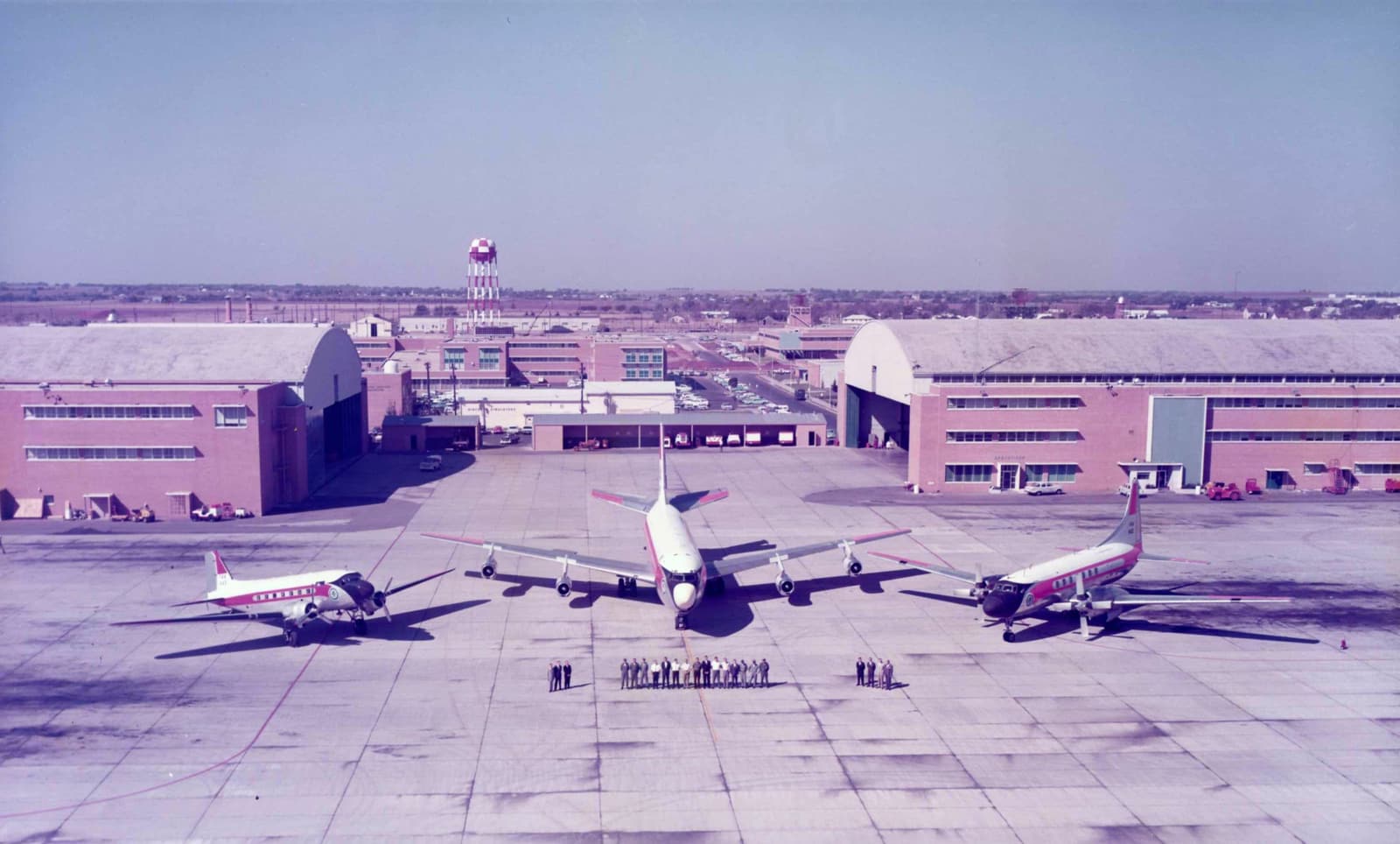
Image context: the cover uses an archival FAA photograph of the Mike Monroney Aeronautical Center because the critical constraint after the April 17 opening is not publicity by itself. It is whether the system can convert applicants into Academy seats, then Academy graduates into certified controllers at live facilities.[2][5][6]
Fast facts
- Opening moment: the FAA says the 2026 annual controller hiring window begins at 12:00 a.m. on April 17.[1][2]
- Practical close condition: the applicant checklist says the announcement may close once 8,000 applications are received, even before the formal April 27 end date.[3]
- Current workforce size: the FAA's hiring page describes an active controller corps of about 14,000, while the agency's 2025-2028 workforce plan says the workforce reached 14,264 in fiscal 2024.[2][4]
- Why the shortage still matters: AP reported the system still needs about 3,000 more controllers for full staffing and that Duffy said meeting current needs would still take three to four years.[5]
- Next bottlenecks after applying: aptitude testing, medical and security clearance, Academy training in Oklahoma City, then 1-3 years of on-the-job certification.[2][5]
What changed this week
The highest-signal new fact is that FAA has now put a firm date on the 2026 general-public window and paired it with a heavier public-facing recruiting campaign.[1][2] The April 10 announcement says the opening is annual, starts on April 17, and is being marketed more aggressively to a younger cohort thought to have the attention management, rapid information processing, and composure the job requires.[1] The dedicated hiring page, updated on April 15, pushes the same message in a more operational form: apply early, use the help sessions, and treat the opening as a limited window rather than a leisurely month-long filing period.[2][3]
In that sense, the news is not that FAA discovered the staffing problem this week. The news is that the agency has entered the next intake cycle with a clearer deadline structure and a more explicit warning that demand could outrun slot availability at the application stage.[1][3]
Why this is not a same-summer fix
The easiest mistake is to read a new hiring campaign as if it produces usable staffing the moment the application button turns on. The FAA's own process pages do not support that reading. First comes the application itself. Then candidates have to pass the ATSA, clear background and medical review, and complete Academy training.[2] Only after that do they report to a tower, TRACON, or center and begin the supervised facility-specific work that AP says typically takes another two to three years before full certification.[5]
That long conversion path is why the most honest reading of the April 17 opening is pipeline maintenance, not immediate airspace relief. AP's baseline remains the useful one here: the system has roughly 14,000 controllers, still needs about 3,000 more, and the administration itself has said it would take three to four years to meet current needs.[5] Even a strong 2026 hiring class cannot erase that lag by summer travel season.
The FAA's own workforce documents point in the same direction. The agency says it hired 1,811 controllers in fiscal 2024 and plans to hire and train several thousand more over the next few years, not over the next few weeks.[4] The point of the new campaign is therefore to keep the intake side of the system full enough that later Academy and facility stages are not starved of candidates.
Where the real pressure sits
The real pressure point is the conversion chain between applicant interest and certified staffing. FAA and Duffy have spent the last year emphasizing that they have shortened the trip from application to Academy, and the April 10 campaign release says applicants moved into the Oklahoma City Academy four times faster last year.[1] That is meaningful. It suggests the agency has reduced one piece of administrative drag.
But faster entry into the pipeline is not the same thing as finished staffing. The FAA's public process still shows a sequence that is deliberately selective and time-consuming: Well-Qualified exam results, federal vetting, medical clearance, several months at the Academy, and then multi-year field certification.[2][5] If the front end works better while Academy capacity or facility training capacity stays tight, the bottleneck simply moves downstream.
This is why the Mike Monroney campus matters more than the campaign artwork. The April 17 window tests whether FAA can pull in a deep enough applicant pool before the cap hits.[3] The harder test comes after that: whether the agency can keep Academy seats full, move candidates through screening without stall, and convert graduates into certified controllers fast enough to matter at understaffed facilities.[1][2][4][5]
What to watch next
- April 17-27, or sooner: whether the announcement actually stays open to the formal closing date, or whether the 8,000-application cap is hit early.[3]
- Late spring and summer: whether FAA discloses fresh numbers on how many 2026 applicants are qualified and referred to the ATSA, which is the first meaningful signal after raw applications.[1][3]
- Through the rest of 2026: whether Academy throughput and downstream facility certification keep pace with the larger intake, rather than just producing a bigger waiting room.[2][4][5]
The cleanest bottom line is procedural. FAA's April 17 controller opening is a real event, and it may meaningfully strengthen the future staffing pipeline. But as of April 15, it is still best understood as an application-capture window feeding a long training system. The new campaign can open the gate wider; it cannot by itself put certified controllers into towers before the rest of that chain runs.[1][2][3][4][5]
Sources
- Federal Aviation Administration, "Trump's Transportation Secretary Sean P. Duffy and the Federal Aviation Administration Unveil New Campaign to Target Next Generation of Air Traffic Controllers" (April 10, 2026).
- Federal Aviation Administration, "Safe Skies. Strong Careers. We're Hiring Air Traffic Controllers." (last updated April 15, 2026).
- Federal Aviation Administration, "ATC Applicant Checklist" (2026 hiring window details, including the 8,000-application cap).
- Federal Aviation Administration, "Air Traffic Controller Workforce Plan 2025-2028" (posted August 21, 2025).
- John Seewer, "What to know about the air traffic controller shortage." Associated Press, May 7, 2025.
- Wikimedia Commons, "File:FAA Aeronautical Center 63-0958H.jpg" (archival FAA image of the Mike Monroney Aeronautical Center).