As of 2026-04-03 09:07 UTC, the mortgage-credit executive order signed on March 13 is best understood as a process story, not a same-day price story. President Donald Trump ordered the FHFA director, in consultation with other agencies, to deliver a housing-finance-market report within 120 days, while banking regulators, the CFPB, HUD, VA, USDA, and other agencies were told to review or consider changes to mortgage rules, supervisory expectations, and related housing-finance practices.[1][3] The White House fact sheet sells that agenda as a way to lower mortgage costs and bring smaller banks back into the market.[2] What the order actually creates right now is a federal review clock.
That distinction matters because the most visible affordability variables have not reset with the signature. Freddie Mac's latest Primary Mortgage Market Survey still shows the 30-year fixed-rate mortgage at 6.46%, and FHFA's latest nationwide house-price release still shows prices above year-ago levels.[5][6] The useful inference from the order, the market data, and the supporting White House materials is that any affordability relief would have to arrive later through regulatory rewrites, supervisory changes, or secondary-market effects. It does not arrive automatically on order day.[1][2][5][6]
AP's March 13 reporting captures the political frame: the administration presented the order as part of a broader home-affordability push ahead of the midterms, with a specific emphasis on easing mortgage burdens for smaller community banks.[4] That framing is real. It is just not the same thing as an immediate mortgage-rate reset.
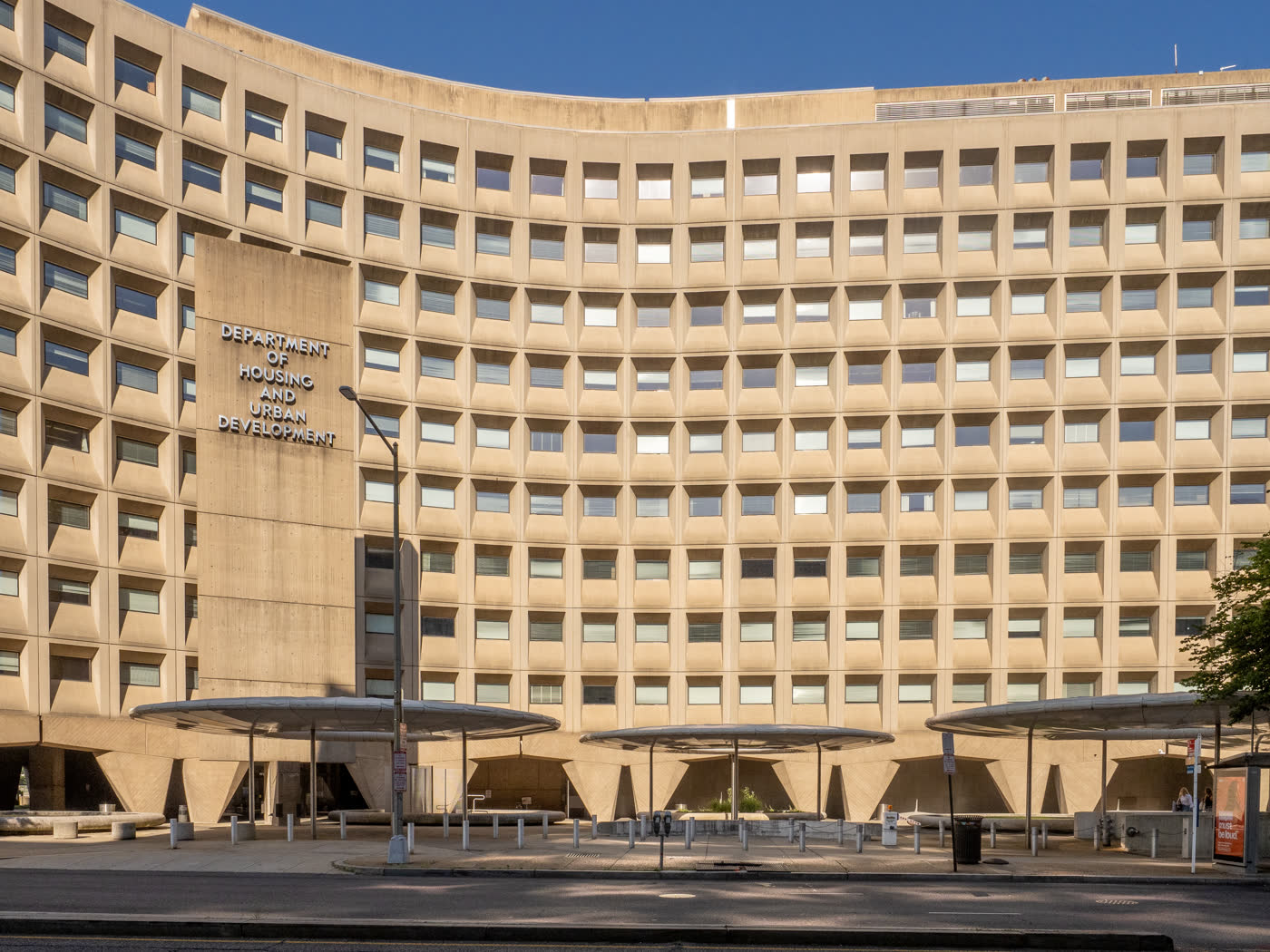
Image context: the cover image shows the HUD headquarters building in Washington because this story sits inside the federal housing-policy apparatus rather than inside one trading screen or one housing-start chart. The live development is administrative sequence across agencies.[7]
What the order actually starts
The order's most concrete near-term output is the 120-day report to the White House on the efficiency of national housing-finance markets.[1] Around that review, the order tells regulators to consider targeted changes across several lanes: duplicative licensing or registration requirements for smaller-bank mortgage loan officers, CFPB mortgage rules, capital and liquidity treatment tied to mortgage lending, appraisal processes, and digital-closing tools.[1][2] The fact sheet is especially clear that the administration wants action on mortgage-rule tailoring, HMDA burden, appraisal modernization, e-signatures, e-notes, remote online notarization, and Federal Home Loan Bank liquidity channels linked to residential mortgage assets.[2]
That is why the current moment is better described as agenda formation than implementation. The order does not itself rewrite Ability-to-Repay standards, replace mortgage disclosures, change appraisal thresholds, or create a new cheaper funding facility on the day it was signed.[1][2] In multiple places it uses language such as agencies shall "consider," and it repeatedly limits action to what is appropriate and consistent with applicable law.[1] That means the next live signal is not one headline claim from March 13. It is the sequence of memos, proposals, guidance changes, or interagency recommendations that follow.
Why this is not an instant rate story
The White House argument is that restoring smaller-bank participation and reducing process costs should improve competition and, over time, help borrowers.[2][4] That is a plausible policy thesis. It is still different from an immediate rate event. Freddie Mac's survey measures the current mortgage market, and that market remained expensive at the end of March.[5] FHFA's latest house-price release shows that the purchase side of affordability also remains under pressure, because home prices are still above the prior year even after the worst pandemic-era acceleration has cooled.[6]
So the operative distinction is between policy direction and market state. Policy direction changed on March 13. Market state did not suddenly reprice to match the White House narrative.[1][2][5][6] If the administration ultimately wins meaningful rule changes, expands cheaper mortgage-linked liquidity for smaller lenders, or makes digital closings materially easier, those effects would have to work through origination costs, lender participation, approval friction, and funding conditions over time. The source record today does not support the stronger claim that the order itself already delivered cheaper mortgage credit.[1][2][4][5]
What to watch by mid-July
The natural deadline window is mid-July, because the 120-day report runs from the March 13 order date.[1] Between now and then, three questions matter more than the signing-day rhetoric.
First, which agencies move from broad review language to concrete documents. If the CFPB, FHFA, or bank regulators publish interpretive changes, requests for information, supervisory statements, or proposed rule updates, the story becomes operational rather than symbolic.[1][2]
Second, whether the smaller-bank emphasis stays central. The order and fact sheet are unusually explicit that community banks and other smaller banks are the intended beneficiaries of a lighter mortgage regime.[1][2][4] If later documents drift toward general affordability messaging without changing smaller-lender economics, the administration's core mechanism weakens.
Third, whether the market data starts to confirm the policy narrative. Lower rates, tighter origination spreads, broader lender participation, or cheaper execution for entry-level borrowers would be the proof that matters. Until then, the order is a serious review signal inside Washington, but not yet a completed affordability outcome.[5][6]
The narrow takeaway is more useful than the broad slogan. The mortgage-credit order is real, and it does open a meaningful federal review cycle. As of early April, though, the live clock is the 120-day policy window, not a same-week mortgage-rate victory lap.
Sources
- The White House, "Promoting Access to Mortgage Credit" executive order (March 13, 2026).
- The White House, "Fact Sheet: President Donald J. Trump Promotes Access to Mortgage Credit" (March 13, 2026).
- Federal Register, "Promoting Access to Mortgage Credit," Executive Order 14393 (scheduled publication March 18, 2026).
- The Associated Press, "Trump signs executive orders aimed at addressing home affordability concerns ahead of midterms" (March 13, 2026).
- Freddie Mac, "Mortgage Rates" Primary Mortgage Market Survey page (current page accessed April 3, 2026).
- Federal Housing Finance Agency, "U.S. House Prices Rise 1.8 Percent Year over Year, Up 0.8 Percent Quarter over Quarter" (February 24, 2026).
- Wikimedia Commons, "United States Department of Housing and Urban Development (HUD) (53840390494).jpg" (cover image source).