As of 2026-04-05T03:04:22Z (UTC), EPA's April 2 move on microplastics and pharmaceuticals has changed the federal drinking-water file, but not in the way a headline about contamination can imply. The agency has proposed adding both contaminant groups to the Draft Sixth Contaminant Candidate List (CCL 6), opened a public-comment window, and released Human Health Benchmarks for Pharmaceuticals (HHB-Rx) for 374 drugs. What it has not done is set a national maximum contaminant level or impose a same-day treatment mandate on public water systems.[1][2][3][5]
That distinction matters because EPA's own materials describe the CCL as an early-stage pipeline tool. The draft CCL 6 includes 75 chemicals, four chemical groups including microplastics and pharmaceuticals, and nine microbial contaminants; comments are due by June 1, 2026, and EPA says the final list is expected to be signed by November 17, 2026 after public comments and Science Advisory Board consultation.[1][2][3] The agency's core signal is therefore procedural but still meaningful: contaminants that had largely lived in public alarm, academic literature, and local monitoring debates have now been moved deeper into the federal drinking-water queue.
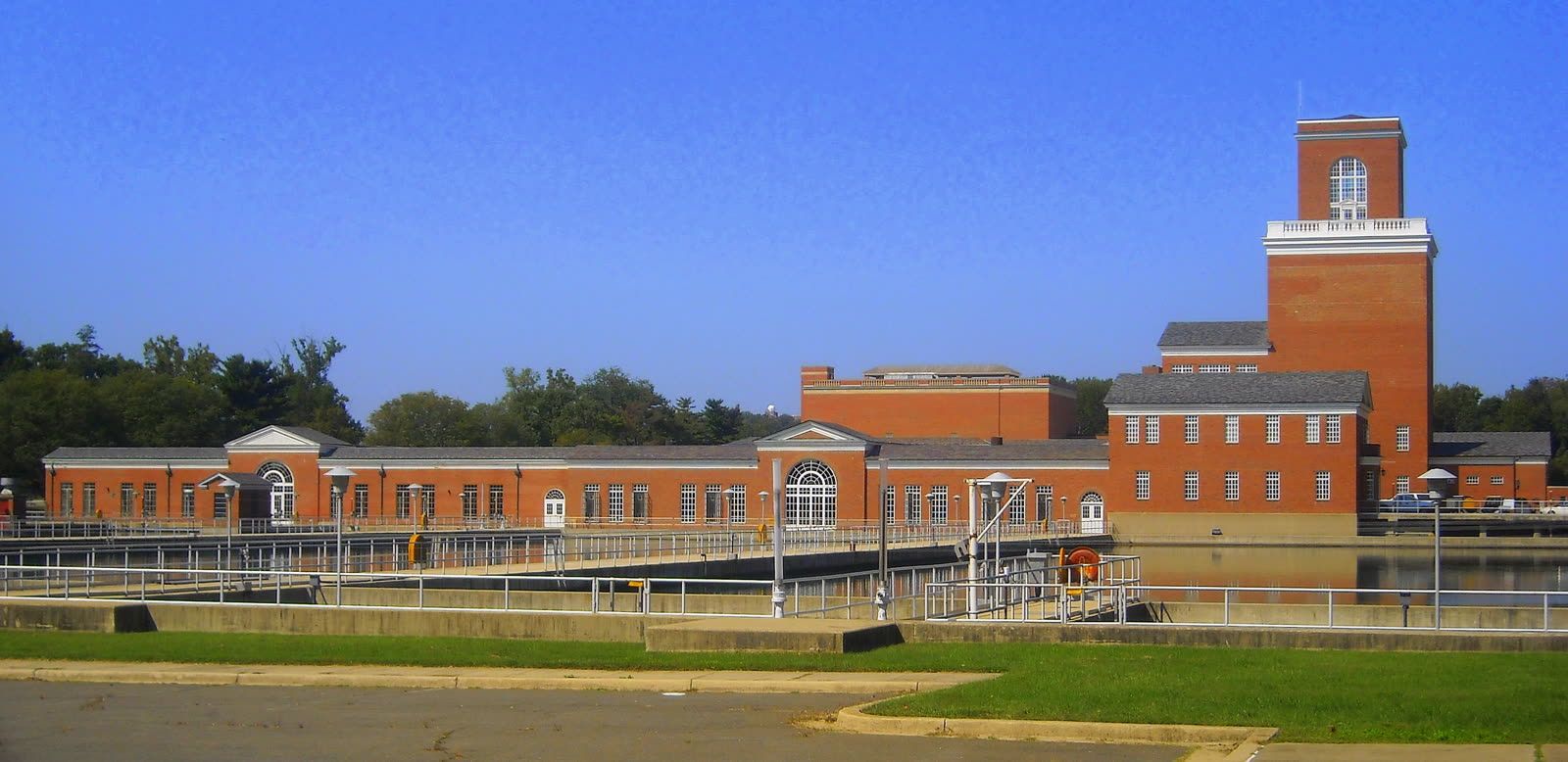
Image context: the header photo shows the Dalecarlia Water Treatment Plant in Washington, D.C. It fits this story because the real question is how emerging contaminants travel from scientific concern into the operating and regulatory world of actual public-water systems.[8]
What EPA actually changed
EPA did three different things at once, and keeping them separate is the only way to read this story clearly.
First, it published the draft CCL 6 under the Safe Drinking Water Act.[1][2] That list exists to identify contaminants that are not currently subject to proposed or promulgated national primary drinking-water regulations but are known or anticipated to occur in public water systems and may require regulation.[1][2][3] Putting microplastics and pharmaceuticals on that list, and doing so as named contaminant groups for the first time, is a priority-setting move. It says these categories now belong inside EPA's formal research, information-collection, and later regulatory-decision workflow.[1][2]
Second, EPA released HHB-Rx values for 374 pharmaceuticals.[1][5] Those benchmarks are useful, but they are not federal drinking-water standards. EPA's press release says they are "not regulations" and "not enforceable on their own"; the HHB-Rx page describes them as benchmark values that EPA can update as drug labels change.[1][5] In practice, that means the benchmarks function as screening and risk-evaluation tools for states, Tribes, and local water systems long before they function as a national compliance regime.[1][5]
Third, EPA started a calendar. Publication of the draft CCL 6 opened a 60-day comment period, and the FAQ says the agency plans to finalize the list after reviewing comments and Science Advisory Board input, with signature expected by November 17, 2026.[1][3] That is the administrative spine of the story. The most important thing that happened on April 2 is that EPA moved these contaminants into a schedule with docket numbers, consultation steps, and a statutory next stage.
Why this is still an early-stage federal move
EPA's own FAQ answers the key question directly: the CCL does not impose any requirements on public water systems.[3] If EPA later decides to regulate a contaminant from the list, it must begin a separate rulemaking process with public comment.[3][4] After the final CCL is published, EPA must make regulatory determinations for at least five contaminants from the list, and that happens in another process that depends on additional health and occurrence evidence.[3][4]
This is why the best label for the April 2 move is Analysis rather than Report. The facts are simple, but the policy meaning is easy to overstate. A contaminant candidate list is important because it determines what enters EPA's regulated field of vision. It is not important because it instantly creates a binding national limit. That gap between priority status and enforceable standard is built into the Safe Drinking Water Act process itself.[3][4]
The same caution applies to pharmaceuticals. EPA's HHB-Rx release gives local officials more structure for evaluating detections, especially where utilities or states are already testing, but EPA is explicit that the benchmarks are nonbinding.[1][5] So the federal government has advanced the technical toolkit faster than it has advanced national legal obligations.
Why the public-health stakes are real anyway
None of this means the announcement is empty.
AP's April 2 reporting captures the tension well. Microplastics have been detected in drinking water and in human tissues, while scientists are still working through what those findings mean for human-health risk; pharmaceuticals enter water supplies through excretion and disposal pathways that conventional wastewater treatment often fails to fully remove.[6] EPA's announcement acknowledges that this is no longer a fringe monitoring problem. Once the agency groups these contaminants into CCL 6 and pairs that move with a 374-drug benchmark release, it is telling water systems and state regulators that these files deserve structured attention.[1][5][6]
At the same time, AP also notes why experienced drinking-water observers remain cautious: EPA uses the CCL to prioritize research and decision-making, but often does not carry listed contaminants all the way to enforceable standards.[6] That is not a reason to dismiss the April 2 move. It is a reason to read it at the correct altitude. This is a federal queue-setting event, not the last step of a rulemaking.
The water-utility response points in the same direction. AWWA said the Safe Drinking Water Act creates a science-based process for identifying contaminants of concern, gathering occurrence data, and deciding whether a federal standard would materially reduce risk; it also welcomed research funding while emphasizing the information gaps around microplastics.[7] That is the operating-class interpretation of EPA's action. Utilities heard a signal to study, measure, and comment, not a signal that a new national treatment standard had already arrived.
What matters next
There are four dates and tests worth watching now.
1. The June 1, 2026 comment deadline. This is where states, utilities, environmental groups, industry, and public-health advocates will argue over EPA's grouping logic, occurrence evidence, and whether the agency's screening process is broad enough or too broad.[2][3]
2. The Science Advisory Board review and the November 17, 2026 final-list target. If that date slips, the symbolic force of the April 2 announcement will remain intact, but the administrative momentum will weaken.[1][3]
3. The transition from candidate list to regulatory determination. EPA's FAQ says that, after the final CCL is published, the agency must determine whether to regulate at least five contaminants from the list.[3][4] That later stage is where microplastics and pharmaceutical residues stop being a grouped concern and start competing for scarce rulemaking bandwidth.
4. Whether EPA can narrow broad contaminant categories into defensible federal standards. This final point is an inference from the process sources. Listing "microplastics" and "pharmaceuticals" as groups is politically legible and scientifically useful for priority-setting, but enforceable national rules usually need sharper definitions, stronger occurrence data, and a clearer treatment-cost case than a group label alone can provide.[2][3][4][7]
Bottom line
EPA's April 2 action moved microplastics and pharmaceuticals from diffuse public concern into a formal federal drinking-water pipeline.[1][2][3] That is a real step. It creates a comment window, a Science Advisory Board review path, and a later regulatory-determination obligation. But the same official documents are equally clear about what has not happened yet: the draft CCL 6 imposes no immediate requirements, and the new pharmaceutical benchmarks are not enforceable standards.[1][3][5]
The practical read is therefore two-sided. Anyone treating the announcement as a same-day national ban is early. Anyone treating it as empty symbolism is missing how federal environmental policy usually works: the queue, the docket, and the evidence file often decide what can become a rule later on.[1][3][4][6][7]
Sources
- U.S. Environmental Protection Agency, "EPA Takes Bold Action to Ensure Drinking Water Is Safe from Microplastics, Pharmaceuticals, and Other Contaminants" (April 2, 2026).
- U.S. Environmental Protection Agency, "Draft Contaminant Candidate List 6 - CCL 6" (published April 2, 2026; comments due June 1, 2026).
- U.S. Environmental Protection Agency, "CCL 6 Frequent Questions" (accessed April 5, 2026).
- U.S. Environmental Protection Agency, "How EPA Regulates Drinking Water Contaminants" (accessed April 5, 2026).
- U.S. Environmental Protection Agency, "2026 Human Health Benchmarks for Pharmaceuticals (HHB-Rx)" (updated April 2026).
- Michael Phillis, "EPA targets microplastics and pharmaceuticals in drinking water." Associated Press, April 2, 2026.
- American Water Works Association, "Statement on inclusion of microplastics, pharmaceuticals on draft Contaminant Candidate List" (April 3, 2026).
- Wikimedia Commons, "File:Dalecarlia Water Treatment Plant.jpg" (photo source for cover image).