As of 2026-06-14 06:32 UTC, the 2026 World Cup has moved from opening-night ceremony into the harder phase: repeated matchday execution across a continent. The early standings will get the headlines, but the first full weekend is also a live test of the expanded tournament model. FIFA's own tournament pages frame the scale plainly: 48 teams, 104 fixtures, 16 host cities, and three host countries.[2][6]
That changes what counts as news. A single match can still be a sporting event; a full day of matches across North America is a logistics system. By Sunday, the story is no longer only whether Germany starts cleanly against Curacao in Houston or whether Japan can complicate the Netherlands in Texas. It is whether the larger format can keep travel, stadium operations, broadcast windows, fan movement, security, and recovery time from becoming a second competition running underneath the football.[1][3][4]
Facts Now
| Item | What matters | Confidence note |
|---|---|---|
| Tournament scale | FIFA says the 2026 edition is the first 48-team men's World Cup and uses a 104-match format across Canada, Mexico, and the United States.[2][6] | High; official tournament and format pages. |
| June 14 slate | FIFA's live fixtures page shows a multi-city group-stage schedule for Sunday, with the early weekend now spread across several venues rather than concentrated in one host area.[1] | High for schedule listing; match status can change after publication. |
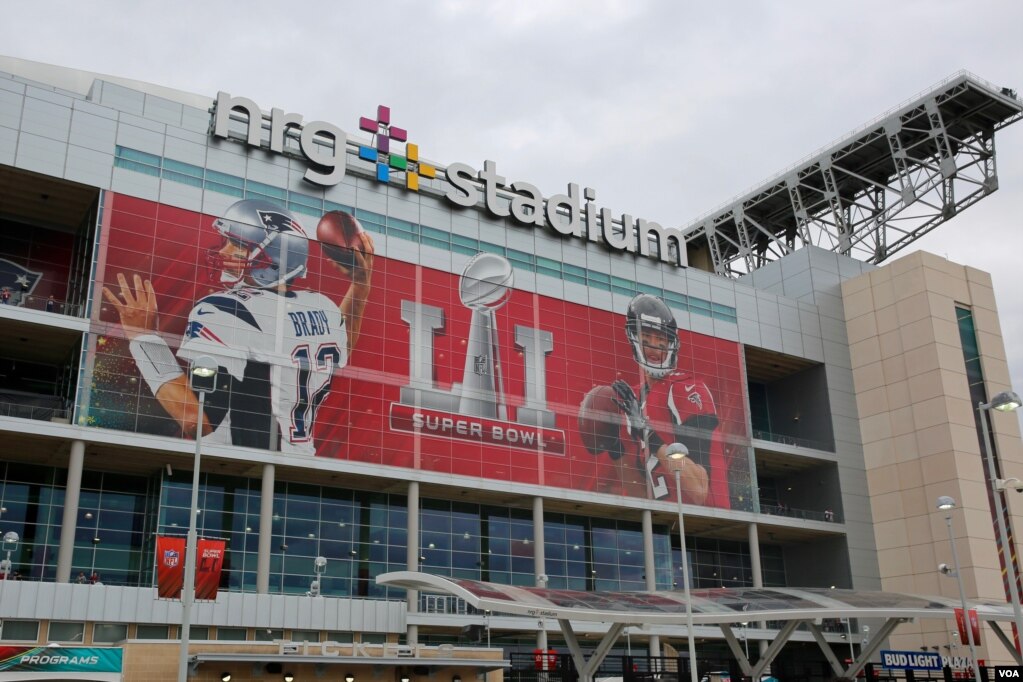
| Houston focus | FIFA's match centre lists Germany vs. Curacao for June 14 at Houston Stadium, while NRG Park lists the same event date at NRG Stadium.[4][5] | High; official match and venue pages. |
| Venue capacity | NRG Park describes the stadium as a 72,000-to-80,000-seat building with large concourses, suites, elevators, escalators, Wi-Fi, and event infrastructure.[5] | High for venue specs; World Cup configuration can differ from normal stadium setup. |
| Competitive contrast | AP notes Curacao is making history as a first-time qualifier and faces four-time champion Germany in Houston.[3] | High; AP matchday preview. |
| Format pressure | FIFA's format explainer says the top two teams from each of 12 groups and the eight best third-place teams advance to a new Round of 32.[6] | High; official format description. |
Why This Weekend Is Different
The expanded World Cup makes the opening weekend less tidy than older tournaments. In a 32-team format, the first week already had plenty of moving parts. In a 48-team format, the opening phase multiplies them: more teams, more hotels, more training bases, more fan groups, more cross-border travel, more local public-safety planning, and more matches whose results matter before anyone has a clear table.
That is why Germany vs. Curacao is useful beyond the scoreline. AP's preview makes the sporting contrast obvious: Curacao enters as a first-time World Cup qualifier and the smallest country in the field by size and population, while Germany arrives with four titles and recent pressure after failing to escape the group stage at the previous two World Cups.[3] But the venue story is just as revealing. Houston is not merely staging a game; it is absorbing global media, visiting supporters, local commuters, commercial hospitality, team movements, and a broadcast event inside a stadium built for multiple kinds of American mega-event use.[4][5]
The risk is not that the tournament cannot handle one match. The risk is accumulation. A long security line in one city, heat management in another, fan-transport confusion in a third, and a delayed broadcast window in a fourth can all be minor in isolation. Put them together across 104 matches and they become the operational reputation of the tournament. A larger World Cup has more room for underdog stories, but it also has more exposed surface area.
The Football Incentive Has Changed Too
The new format softens the first-week panic without eliminating it. Because the top two in every group advance and eight third-place teams also move on, an opening loss is not automatically fatal.[6] That may encourage some favored teams to manage risk rather than chase goal difference recklessly. It may also keep more teams alive deeper into the group stage, which is good for drama but harder for planning: more meaningful third matches, more fan travel that cannot be confidently booked in advance, and more late demand for knockout-round routes.
For smaller or debuting teams, the format is a real opening. Curacao's first match is brutal on paper, but the broader bracket means the tournament is not only a one-game audition against Germany.[3][6] A tight loss, a disciplined defensive performance, or even a single point can matter if the third-place table becomes crowded. That shifts how coaches allocate energy and how supporters read the first result.
For hosts, it means early days cannot be treated as soft launches. The opening week is already competitive enough to stress systems. Stadiums need to process crowds smoothly; transit operators need clear post-match flows; local officials need heat, weather, and emergency plans that work without improvisation; and broadcasters need the rhythm of simultaneous storylines without making the tournament feel fragmented.
Decision Impact
Next 24 hours: the watch items are not only goals and injuries. Look for reports on crowd entry, transit queues, weather delays, pitch condition, communications, and whether matchday information is consistent between FIFA, venue, and local channels.[1][4][5]
Next 7 days: the tournament's real baseline will emerge as cities host repeat events. One clean matchday proves readiness; two or three in the same market prove process. Houston, Dallas, Philadelphia, and other early hosts will show whether stadium routines can be repeated under different fan mixes and kickoff windows.[1][5]
Next 30 days: the expanded format will be judged by whether it creates broader participation without making the competition feel bloated. If third-place qualification keeps matches alive and operations stay calm, the 48-team structure will look like a successful expansion. If travel friction and scheduling sprawl dominate, the format will look like a bigger bracket asking too much of host-city machinery.[2][6]
Scenarios
Base case: the first weekend produces scattered friction but no structural failure. The expanded field creates more local storylines, debutants get meaningful attention, and host cities absorb the new match volume with manageable queues and normal event-day strain.
Upside case: the format delivers both reach and drama. Curacao-style debut stories become more than ceremonial appearances, third-place qualification keeps groups alive, and North American host cities turn their stadium scale into a visible strength rather than a source of distance and delay.[3][5][6]
Downside case: the football remains compelling, but the operating layer becomes the story. The warning signs would be recurring entry delays, poor transport recovery after matches, heat or weather management problems, confusing local instructions, or fan complaints that repeat across cities instead of staying isolated.
Action Checklist
- Fans should rely on official match, venue, and local transport pages before traveling, because kickoff time, entry gate, bag rules, and post-match routes can differ by city.[1][4][5]
- Host cities should treat each early match as a data point: queue time, transit load, medical calls, weather response, and communication failures should feed the next event.
- Broadcasters and editors should separate sporting surprise from format success. A debutant's result and the tournament's operational health are related, but they are not the same metric.
- Teams should manage the first match with the Round of 32 in mind; goal difference matters, but so does player recovery in a stretched group-stage geography.[6]
The first weekend's cleanest lesson is that the 2026 World Cup is not just bigger. It is more distributed. The tournament will be remembered for matches, but it will be carried by systems: fixtures, venues, transport, broadcast timing, and the dull operational work that lets football remain the main event.[1][2][5]
Sources
- FIFA, "Matches | FIFA World Cup 2026" - live fixtures and match schedule page for the tournament.
- FIFA, "FIFA World Cup 2026: fixtures, groups, teams and more" - official overview of host countries, cities, dates, and tournament scale.
- Associated Press, "World Cup what to know: Curacao faces daunting first World Cup game against 4-time champion Germany" (June 2026) - matchday preview and context for Curacao, Germany, and the June 14 slate.
- FIFA, "Germany vs Curacao | First Stage | FIFA World Cup 2026" - official match centre for the June 14 Houston fixture.
- NRG Park, "NRG Stadium" - venue page with Germany vs. Curacao event listing and stadium capacity, concourse, and infrastructure details.
- FIFA, "How the FIFA World Cup 2026 will work with 48 teams" - official format explainer for the expanded group stage and Round of 32.
- Wikimedia Commons, "File:NRG Stadium SBLI Outside.jpg" - 2017 Voice of America photograph of NRG Stadium used as the article image.