As of 2026-05-05 01:06 UTC, the most useful way to read USTR's new Section 301 excess-capacity case is as a record-building exercise. The administration has already announced the theory, named 16 economies, and framed structural excess capacity as a threat to U.S. reindustrialization and supply-chain reshoring.[2][3][4][6] What starts on May 5 is the narrower and more operational phase: public hearings at the U.S. International Trade Commission building, organized into panels, followed by transcripts and post-hearing rebuttal comments.[1][2][5][7]
That distinction matters because hearings are not remedies. USTR has not announced a tariff schedule, a final finding, or a country-by-country penalty map.[2][5] The live move is procedural. Washington is now forcing its broad argument about excess manufacturing capacity to survive contact with industry testimony, labor concerns, importer pushback, and foreign-government responses on the record.[1][5][7]
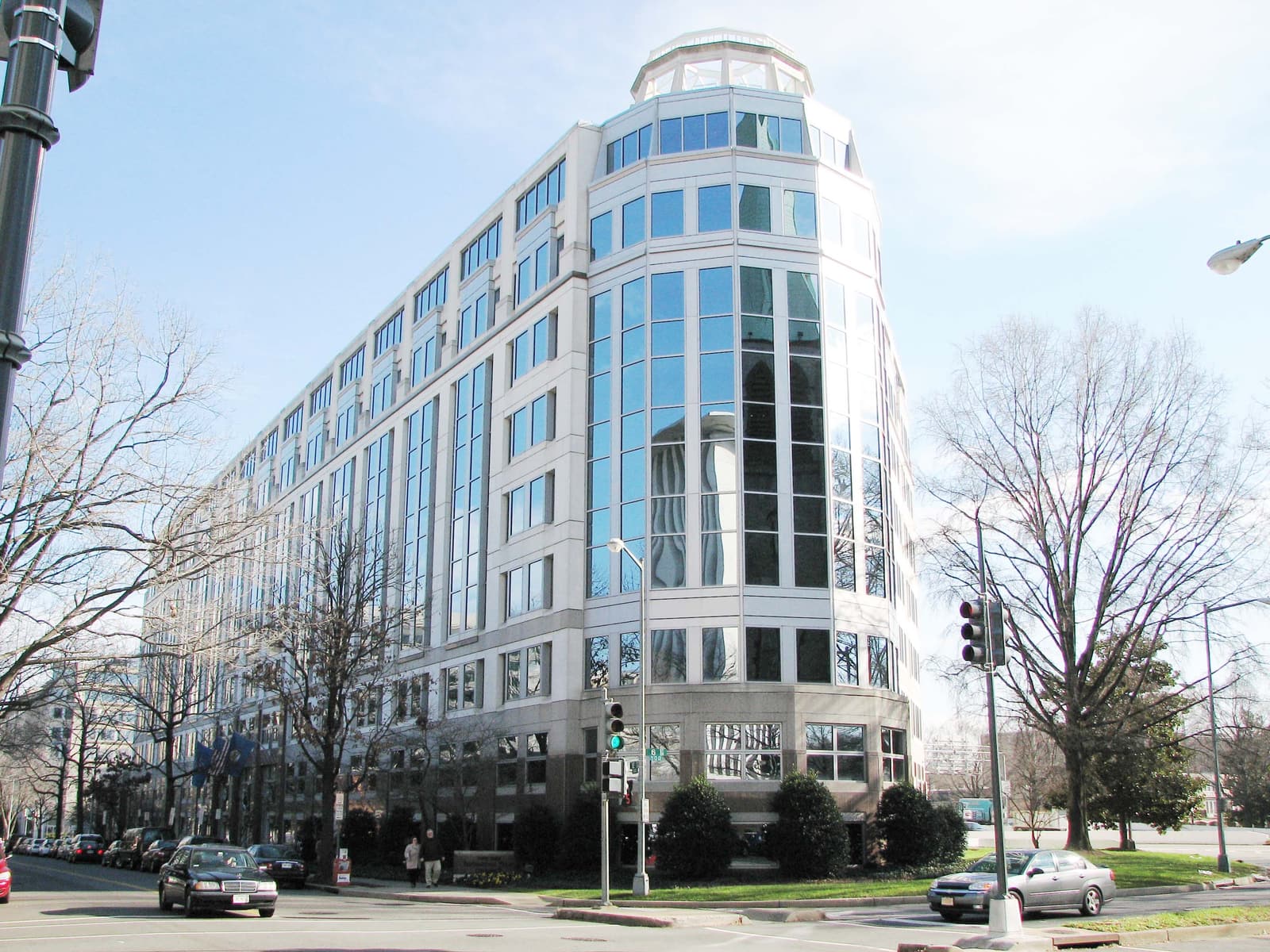
Image context: the cover uses a real photograph of the U.S. International Trade Commission building. That works better here than a container port or factory shot because the immediate story is institutional. The next step sits in a hearing room, not yet at the customs gate.[8]
Fact file
| Item | What is live now | Confidence note |
|---|---|---|
| Hearing window | USTR says public hearings start May 5, 2026, continue through May 8 as necessary, and begin each day at 10:00 a.m. ET at the USITC hearing room, 500 E Street SW.[1][5] | Strong. Direct from USTR's May hearing notice and the Federal Register notice. |
| What the hearings cover | The investigations concern the acts, policies, and practices of 16 economies relating to structural excess capacity and production in manufacturing sectors.[1][3][4][5] | Strong. Repeated across USTR's press release, fact sheet, and notice. |
| Current phase | USTR opened comment and hearing-request dockets on March 17; written comments and requests to appear were due April 15, 2026.[2][5] | Strong. Direct from the Section 301 topic page and notice. |
| What comes next procedurally | The Federal Register notice says post-hearing rebuttal comments are due seven calendar days after the last day of the public hearing.[5] | Strong. Direct from the notice. |
| Public access limits | USTR says the hearings are on the record, but there will be no livestream and no external cameras or video recording in the room; a full transcript will be posted after the hearings.[1] | Strong. Direct from the May hearing notice. |
| Official theory of the case | USTR's notice says global manufacturing output reached $16.6 trillion in 2024 while estimated global manufacturing capacity utilization remained between 75.0% and 75.9%, below roughly 80% healthy utilization in many sectors.[5] | Strong as the administration's stated evidentiary basis, not as an adjudicated conclusion. |
| Sector scope | USTR's notice gives an illustrative sector list including aluminum, automobiles, batteries, chemicals, electronics, machinery, semiconductors, ships, solar modules, steel, and transportation equipment.[5] | Strong. Direct from the notice. |
What changed on May 5
The main shift is that the case has moved from assertion to structured testing. USTR's March materials made the policy claim in broad terms: foreign industrial policies can sustain capacity untethered from demand, create persistent trade surpluses, and chill U.S. investment and production.[3][4][5] The May 5 hearing window converts that claim into a procedural record. From here, the administration has to show not only that overcapacity exists in theory, but that specific acts, policies, or practices burden or restrict U.S. commerce in a way Section 301 can actually reach.[5]
That is why the current phase is narrower than a tariff headline suggests. Section 301 is flexible, but it is still a legal and administrative process. The notice opened comment dockets, required summaries of testimony, and set a rebuttal stage after the hearings close.[2][5] In plain terms, USTR is building the file it would need if it later wants to justify findings, remedies, or negotiation pressure with more than a slogan about global overproduction.
The White House's America First Trade Policy memorandum helps explain why this file exists now.[6] That January directive ordered a broad review of trade deficits, unfair trade practices, and existing tariff tools. The excess-capacity investigation therefore fits a larger administration-wide review architecture. But the hearing schedule shows that this particular file is no longer living at memo altitude. It is being broken into witness panels and sector-specific testimony.[1][6][7]
What the panel mix says about USTR's real objective
The panel schedule is the clearest evidence that this is not a one-sector case.[7] Day one alone combines seed, soybean, retail, chemicals, plastics, foreign-trade zones, fisheries, sugar, technology, batteries, China Chamber of International Commerce, Korea's government, solar manufacturing, and specialty carriers.[7] Later days shift into textiles, spirits, cement, petroleum, fiberglass doors, autos, rail security, aluminum, steel, plastics recycling, solar trade coalitions, bottled water, UAW, Indian and Indonesian trade representatives, Vietnamese officials, and Mexican officials.[7]
That spread matters for two reasons. First, USTR is trying to show that the burden is systemic, not confined to one headline industry like steel or electric vehicles.[4][5][7] Second, the schedule suggests that the administration wants a record broad enough to support several different policy choices later: targeted tariffs, negotiated settlements, sector-specific actions, or pressure on third-country production networks that route excess output into the U.S. market.[5][7]
The foreign-government participation on the schedule is just as important as the domestic-industry lineup.[7] Korea, Indonesia, Vietnam, Mexico, and India all appear directly or through affiliated representatives.[7] That makes the hearing less like a closed domestic grievance session and more like an early argument over how much of the "structural excess capacity" frame USTR can sustain once the targeted economies answer back in public.
Why the hearing-room phase matters more than the headline rate speculation
The easiest misread from here is to jump straight to tariff arithmetic. The hearing record points to a different immediate question: can USTR turn a broad global-capacity argument into sector-specific, commerce-burden findings that will hold up politically and administratively?[5] That is the work happening this week.
The May hearing notice reinforces that reading. USTR is not staging a televised political event. There is no livestream, no external video recording, and the official public artifact will be the transcript posted after the fact.[1] That is how agencies behave when they are building a formal record, not when they are unveiling a same-day policy showpiece.
The same thing is visible in the deadlines. Comments closed on April 15. Hearings begin on May 5. Rebuttal comments come seven days after the last hearing day.[2][5] That sequencing tells companies, trade associations, and foreign governments that the current leverage point is evidence, framing, and sector definition. The remedy debate comes later.
What to watch after the hearings
The first signal is how specific the burden story becomes. If the post-hearing record keeps drifting at the level of general global overcapacity, the administration's theory will remain politically loud but operationally loose.[5][7] If the record sharpens around named sectors, measurable trade dislocations, third-country routing, or specific policy interventions such as subsidies and state-backed financing, the later action lane becomes more concrete.[4][5]
The second signal is which sectors emerge as the administration's proof cases. USTR's own materials name a very long illustrative list, from semiconductors and ships to solar modules, steel, batteries, and transportation equipment.[4][5] The panel schedule shows where organized constituencies have shown up in force.[7] Those are not always the same thing.
The third signal is whether the foreign-government responses narrow the case. Once Korea, Indonesia, Vietnam, Mexico, India, and other affected participants answer on the record, USTR may find some sectors easier to sustain than others.[7] That matters because a broad investigation can still end in a narrower practical remedy set.
The immediate takeaway is therefore procedural but significant. On May 5, 2026, USTR's excess-capacity file stopped being mainly an announcement and became a transcript-driven evidentiary process.[1][2][5][7] That is the phase that determines whether the administration's overcapacity argument becomes a durable trade instrument or remains a wide theory looking for a narrower proof set.
Sources
- United States Trade Representative, "Public Hearings Regarding Section 301 Investigations Relating to Structural Excess Capacity" (May 4, 2026).
- United States Trade Representative, "Section 301 – Structural Excess Capacity and Production in Manufacturing Sectors" (topic page with dockets and hearing links).
- United States Trade Representative, "USTR Initiates Section 301 Investigations Relating to Structural Excess Capacity and Production in Manufacturing Sectors" (March 11, 2026).
- United States Trade Representative, "Fact Sheet: USTR Initiates Section 301 Investigations into Structural Excess Capacity and Production in Manufacturing Sectors" (March 2026).
- Office of the United States Trade Representative, Initiation of Section 301 Investigations: Acts, Policies, and Practices of Certain Economies Relating to Structural Excess Capacity and Production in Manufacturing Sectors (Federal Register notice / PDF).
- The White House, "America First Trade Policy" (January 20, 2025 memorandum).
- Office of the United States Trade Representative, Section 301 Structural Excess Capacity Panel Schedule (May 5, 2026 PDF).
- Wikimedia Commons, "File:USITC building.jpg" (source page for the article image).