As of 2026-05-02 10:04 UTC, the easy headline on the European Commission's merger-guidelines rewrite is that Brussels is finally making room for "European champions."[1][4][5] The draft published on April 30, 2026 does move in that direction in one clear sense: it explicitly invites parties to argue scale, innovation, investment, resilience, and sustainability benefits more directly than the older guidance did.[1][2] But the stronger reading is narrower and more operational. This is not a general permission slip for bigger deals. It is a proof-of-benefits test layered on top of the existing competition framework. Companies may now get more room to make the argument. They also inherit more responsibility to prove that the argument is real.
That distinction matters because political rhetoric around European industrial scale can outrun what merger control is actually built to do. The Commission's own overview page says the review is the broadest merger-policy rewrite in more than two decades and is meant to update the assessment framework for changed market realities.[1] The draft text then makes the boundary explicit: the legal test remains whether a merger creates a significant impediment to effective competition in the internal market.[2][6] The rewrite adds more analytical lanes for future benefits. It does not replace the old question of whether concentration could still leave customers, suppliers, and rivals with less competitive pressure.
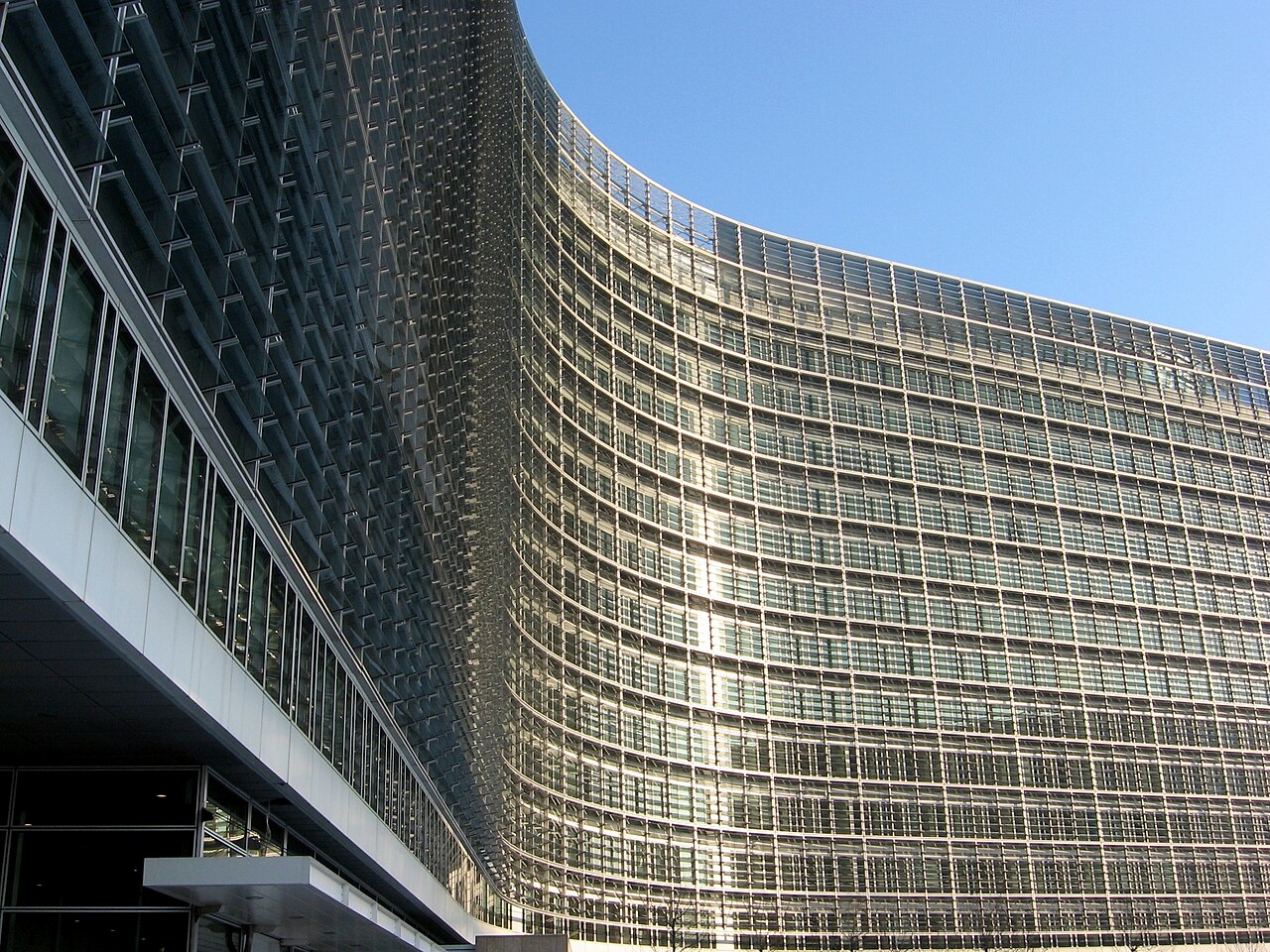
Image context: the cover uses a real photograph of the Berlaymont building in Brussels.[7] That is the right visual here because the live story is institutional: this is about the Commission redesigning how it will weigh future merger claims, not about a single corporate boardroom or a symbolic stock graphic.
Fact file
| Item | What is live now | Confidence note |
|---|---|---|
| Draft launched | The Commission published draft new Merger Guidelines on April 30, 2026 and opened a public consultation running until June 26, 2026.[1] | Strong. Stated directly on the Commission review page. |
| Scope of rewrite | Brussels says this is the broadest merger-guidelines review in over 20 years, replacing the 2004 horizontal and 2008 non-horizontal guidance with one combined framework.[1][2] | Strong. The review page and draft both state this. |
| What changed in emphasis | The draft gives more explicit analytical weight to scale, innovation, investment, resilience, and sustainability as potentially procompetitive factors.[1][2] | Strong. This language appears directly in the review page and draft. |
| What did not change | The core legal test remains whether a merger creates a significant impediment to effective competition in the internal market.[2][6] | Strong. This remains the draft's governing standard. |
| Consultation pressure behind the rewrite | DG COMP says the 2025 public consultation drew 243 responses from 194 respondents and showed strong demand for clearer treatment of dynamic effects.[3] | Strong. These figures come from the Commission's own working document. |
| External readout | Reuters reported both before and after publication that companies will get more room to argue benefits, but that regulators are unlikely to hand out "blank cheques" for large deals.[4][5] | Strong on framing. This is Reuters' reporting and Ribera's public positioning. |
What the draft is really doing
The cleanest way to read the rewrite is that the Commission is trying to widen the types of evidence that matter without abandoning merger control's central suspicion of concentrated power. The review page says changed geopolitical, trade, innovation, and supply-chain conditions have made industrial scale, global competitiveness, resilience, and sustainability newly relevant to competition analysis.[1] The draft then builds those ideas into the actual architecture of the document. It includes sections on dynamic competitive potential, loss of investment competition, loss of innovation competition, dynamic efficiencies, and the balancing of benefit and harm.[2]
That is not cosmetic editing. It changes what merging parties will spend time trying to prove. Under the older public debate, the slogan was often that Europe needed bigger firms. Under this draft, the practical question becomes: bigger for what, and with what evidence? If a deal is said to improve resilience, the draft expects a causal story. If it is said to improve innovation, the draft expects more than a press release promise. If it is said to help scale European industry against U.S. or Asian rivals, the Commission still wants to know whether the same deal also reduces rivalry, forecloses smaller players, or weakens future entry.[2][6]
The Commission's own consultation summary helps explain why the document looks this way. The 243-response feedback round showed broad stakeholder demand for a more dynamic framework, especially around innovation, investment, and resilience, but it also showed substantial caution about letting those ideas dissolve the competition mandate altogether.[3] Many respondents wanted more room to recognize scale. Many also warned that scale claims only matter if they outweigh market-power risks. The draft reads like a direct response to that split.
Why the "European champions" story is only half right
Reuters captured the political pressure clearly: some governments and companies, especially in telecoms, have pushed for more flexibility so European firms can bulk up against global rivals.[4][5] The draft undeniably reflects that climate. It says scale-enhancing mergers can be viewed positively, especially when they help firms compete in global, capital-intensive, innovation-heavy industries.[2] That is a real shift in emphasis.
But the second half of the story matters more. Reuters' April 30 report also noted that the burden falls on companies to show that the claimed benefits actually improve their ability or incentives to invest and innovate, and that Teresa Ribera warned against reading the rewrite as a free pass for big deals.[5] That caution is consistent with the draft itself. The text repeatedly returns to evidence, causality, merger specificity, and consumer benefit.[2] Even where the Commission sounds more open to industrial scale, it is still trying to prevent a rhetorical shortcut in which every concentration suddenly becomes strategic because it uses the language of resilience or innovation.
This is especially visible in the startup and innovation lane. Reuters reported that the new approach could make it easier for some startup deals to clear faster, but not where the acquirer is already the largest player or where gatekeeper concerns loom.[4][5] The Commission is not announcing that every acquisition of a smaller innovator is good because it brings capital. It is trying to separate cases where scale genuinely accelerates competitive entry from cases where an incumbent simply buys future pressure before it matures.
Decision impact by horizon
Next 24 hours
Competition lawyers, corporate strategy teams, telecom operators, industrial groups, and Brussels trade associations should treat this as a consultation file first, not as a finished new doctrine. The draft is live, but the operative move right now is comment-writing and coalition-building before June 26.[1]
Next 7 days
Watch which business groups focus on the efficiency side and which critics focus on the proof burden. The likely fight is not over whether innovation and resilience matter. It is over how demanding the Commission will be when parties try to quantify them.[2][3][5]
Next 30 days
The deeper market question is whether the final text ends up changing deal behavior before any landmark case is decided. If companies conclude that cross-border mergers now have a more legible pro-scale lane, filings could start being framed differently well before the Commission issues its first big post-guidelines decision.[1][2][6]
Scenarios
Base case: the final guidelines keep the new language on scale, innovation, resilience, and sustainability, but the Commission applies it conservatively. More arguments become available; only some actually clear the evidentiary bar.[1][2][5]
Upside case for dealmakers: the final text gives enough clarity on dynamic efficiencies and innovation theories that firms, especially in fragmented sectors, can structure cross-border deals around a more credible Brussels playbook.[2][4][5]
Downside case: political excitement about "European champions" outruns the legal reality. Companies file bolder deals, but the Commission still blocks or remedies the most concentration-heavy ones because the claimed benefits are too vague, too distant, or too weakly tied to the merger itself.[2][3][6]
What matters now
The durable takeaway is less glamorous than the slogan. Brussels is not discarding competition policy in favor of industrial romance. It is trying to modernize merger control for a world of supply-chain risk, capital intensity, AI-scale investment, and geopolitical stress while keeping the old anti-concentration spine in place.[1][2][3][6] That means the real change is procedural and evidentiary. The Commission has widened the doorway for benefit arguments, but it has not lowered the floor of proof beneath them.
That is why this file matters now. In the next EU merger cycle, the decisive question may no longer be whether companies can say words like resilience, innovation, or European scale. The decisive question is whether they can document those claims well enough to survive a regulator that still measures success by competitive discipline rather than by headline size alone.[2][5]
Sources
- European Commission DG Competition, "Review of the Merger Guidelines" (consultation page; accessed May 2, 2026).
- European Commission DG Competition, "Draft Communication from the Commission: Guidelines on the assessment of mergers under Council Regulation (EC) No 139/2004" (public consultation draft, April 30, 2026 PDF).
- European Commission DG Competition, "Overview of the main trends identified in the replies to the general and in-depth consultations on the review of the Horizontal and the Non-Horizontal Merger Guidelines" (working document PDF).
- Reuters via MarketScreener, "EU to seek feedback to merger rules overhaul from Thursday, antitrust chief says" (April 29, 2026).
- Reuters via MarketScreener, "EU overhauls merger rules amid calls for European champions" (April 30, 2026).
- European Commission DG Competition, "Mergers Overview" (accessed May 2, 2026).
- Wikimedia Commons, "File:Berlaymont building.jpg" (source page for the article image).