Anne Bronte's The Tenant of Wildfell Hall is often introduced through its scandal: a woman flees a destructive husband, hides with her son, earns money by painting, and becomes the object of village suspicion. That summary is accurate, but it makes the novel sound more sensational and less formally exact than it is. Bronte's deeper method is to make privacy visible as a set of recurring objects and arrangements: a rented hall, a locked room, a diary, a letter, a changed name, a child watched for signs of inheritance.
The book first appeared in three volumes in 1848 under the Bell pseudonym, and Britannica classifies it as an epistolary novel built around Helen Graham's disastrous marriage to Arthur Huntingdon and her flight to Wildfell Hall.[3] The Bronte Parsonage Museum frames the novel more bluntly: Anne lays bare drunkenness, abuse, and the question of women's agency inside privileged society.[2] Both descriptions matter, but the motif map clarifies how the novel does that work. It does not simply announce that marriage can become coercive. It builds a material system in which rooms, documents, and names decide who gets believed.
This is also why the book's moral directness should not be confused with simplicity. In the preface to the second edition, Bronte defends truth-telling with the compact claim that "if a book is a good one," the author's sex should not be the deciding fact.[1] The sentence is brief, but it points toward the novel's whole architecture. Tenant keeps asking what happens when institutions judge a speaker before they examine the evidence she carries.
The Hall Is Not Gothic Mystery. It Is Social Distance.
Wildfell Hall could have become a familiar Gothic object: old house, strange woman, rumor, secrets, a young man eager to know more. Bronte uses that machinery, then drains the romance out of it. The hall is isolated, decayed, and attention-grabbing, but it is not primarily supernatural. It is a buffer. Helen needs a place far enough from her husband to make survival possible, yet close enough to a community that gossip immediately begins to work on her.
That double function matters. A house in this novel never means shelter by itself. It is always shelter under observation. Gilbert Markham, the first narrator, watches Helen before he understands her; neighbors convert lack of information into moral certainty; the title itself reduces her first to a tenant, a woman defined by occupancy rather than by full history.[1][3] The hall gives Helen room, but the room has a social price.
Read as a motif, Wildfell is the opposite of a romantic ruin. It is a damaged piece of property being repurposed as a defensive structure. The novel's realism starts there: not with a broad manifesto, but with the practical question of where a woman can stand when the law, money, reputation, and domestic authority have already narrowed her choices.[1][2]
Keys And Rooms Make Privacy Active.
The strongest recurring spatial idea in the novel is not concealment for its own sake. It is controlled access. Helen's locked spaces, working spaces, and guarded papers do not make her passive or mysterious in the old sentimental sense. They show privacy becoming labor.
This is crucial because the village reads secrecy as guilt. Bronte asks the reader to relearn secrecy as self-defense. Helen has reasons not to narrate herself on demand. She has already lived inside a marriage where exposure, surveillance, and social performance are part of the injury.[1][3] If she withholds, it is not because she has no truth. It is because truth given too early to the wrong audience can become another instrument against her.
The key, then, is not only a prop. It is an ethical boundary. In many nineteenth-century courtship plots, access to a woman's inner life is treated as the reward of male sincerity. Tenant slows that reward down. Gilbert has to be corrected before he can be trusted with knowledge. His curiosity is not automatically noble. His jealousy, anger, and quickness to misread are part of the problem the form has to solve.[1]
Letters And Diaries Turn Feeling Into Evidence.
The novel's paper trail is its most important structural motif. Gilbert's letter-frame gives the book one channel of retrospective narration; Helen's diary opens another; together they make reading feel like receiving a case file rather than overhearing a confession.[1][3] That shift is decisive. Helen's suffering is not left as atmosphere. It is dated, sequenced, and documented.
The diary also changes the reader's relation to suspense. At first, the question appears to be: who is this woman at Wildfell Hall? Once Helen's papers enter the novel, the better question becomes: what evidence has been missing from the public story? Bronte's form turns plot revelation into an argument about testimony. A woman's account must survive prior suspicion, male narration, village gossip, and the legal helplessness of marriage before it can be read as knowledge.[1][2]
This is why the book's epistolary structure is more than a Victorian device. Letters and diaries make private experience transmissible without pretending that transmission is easy. The diary is intimate, but it is also disciplined. It records the progressive narrowing of Helen's options: Arthur's dissipation, the damage to the household, the danger to their son, and the point at which endurance becomes complicity.[1][3] Bronte does not ask readers to admire suffering in the abstract. She asks them to follow the record until escape becomes morally legible.
Names Decide What Kind Of Woman The Community Can See.
The word "tenant" is doing hard work. It keeps Helen provisional. She is not first introduced to the community as wife, artist, mother, heiress, victim, or moral agent. She is the woman occupying a place that does not fully explain her. That incompleteness is enough for the village to start inventing.
Names in the novel behave like social verdicts. "Mrs. Graham" protects Helen, but it also exposes her to suspicion because it leaves the wrong questions unanswered. "Mrs. Huntingdon" would restore legal continuity while endangering the escape that makes life possible. "Artist" gives her a means of earning, but it also unsettles gender expectations around trade, visibility, and self-support.[1][2]
The novel therefore treats naming as a practical technology. A name can hide, expose, accuse, or restore. Helen's difficulty is that no available label can contain the whole truth without creating a new danger. Bronte's realism lies in that pressure. The problem is not that society lacks words for women like Helen. It has too many words ready before it has listened.
The Child Makes Escape A Future Tense.
Arthur, the child, is not merely the reason Helen leaves. He is the novel's argument about time. If the story were only about Helen's pain, endurance might look like private martyrdom. Once her son becomes the focus, the marriage plot turns into a question of inheritance: what habits, appetites, cruelties, and permissions will pass from father to child if no one intervenes?[1]
This is where Bronte's moral style becomes sharpest. The novel is not content to say that Arthur Huntingdon damages himself. It shows damage becoming contagious inside a household. The child's future makes Helen's action more than self-rescue; it becomes prevention. She is protecting not only her own conscience but also the moral formation of a person who cannot yet choose the environment shaping him.[1][2]
That emphasis distinguishes Tenant from simpler fallen-husband narratives. Arthur's decline matters, but the novel refuses to let his tragedy absorb all available sympathy. Helen's duty is not to remain endlessly available to male ruin. Her duty is to stop ruin from governing the next life in the room.
Why The Motif System Still Feels Modern
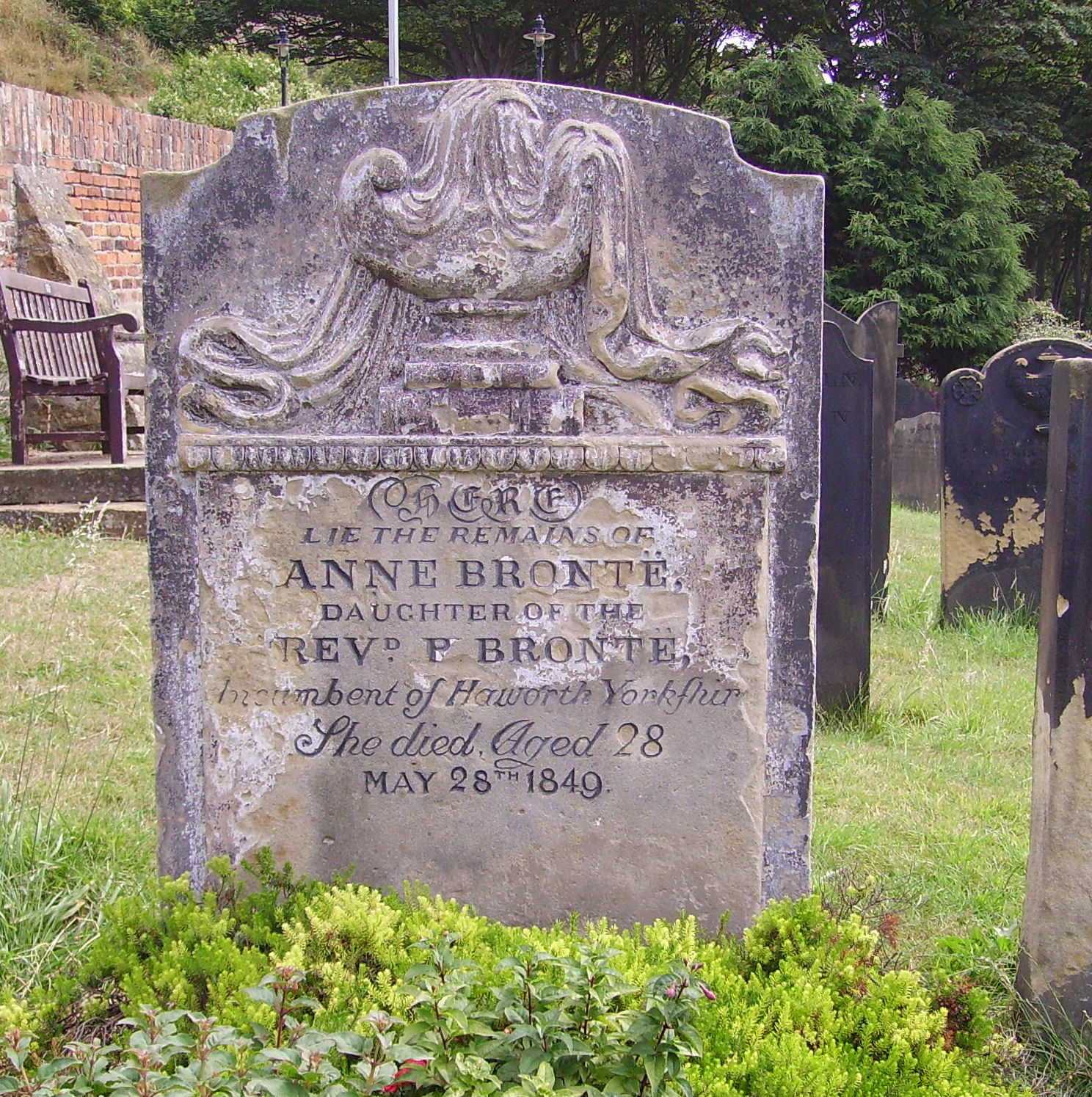
The Bronte Parsonage Museum notes that the sisters' novels were attacked in their own time for directness and emotional force, and Anne's second novel still stands out because its subject is so unsentimental about marriage.[2] Britannica's Anne Bronte biography adds the publication context: The Tenant of Wildfell Hall sold well after its June 1848 appearance, before Anne's illness and death the following May.[4] The short public window helps explain part of the novel's strange afterlife. It arrived with force, then had to be recovered from the shadows cast by family reputation, Victorian discomfort, and the greater fame of Charlotte and Emily.
What survives best is the design. The Tenant of Wildfell Hall makes coercion readable through ordinary things: a house rented under pressure, a key held back, a diary opened, a letter sent, a name chosen carefully, a child watched with fear and hope. These motifs keep the novel from becoming only a problem novel or only a scandal novel. They make it a book about the mechanics of being believed.
Read that way, Helen's privacy is not a blank waiting for Gilbert, neighbors, or readers to fill. It is a structure she builds because the world around her has made unguarded openness dangerous. Bronte's achievement is to make that structure morally intelligible without making it easy. The locked room matters because it contains evidence. The paper trail matters because it changes judgment. The name matters because survival sometimes begins with refusing the name another person has the power to use.
Sources
- Anne Bronte, The Tenant of Wildfell Hall, Project Gutenberg HTML edition; full text, preface, letter-frame, diary structure, and cited motif evidence.
- Bronte Parsonage Museum, "The Bronte novels"; institutional overview of the Bronte sisters' novels and The Tenant of Wildfell Hall as a study of drunkenness, abuse, and women's agency.
- Encyclopaedia Britannica, "The Tenant of Wildfell Hall"; publication, pseudonym, epistolary form, and plot overview.
- Encyclopaedia Britannica, "Anne Bronte"; biographical and publication context for Agnes Grey, The Tenant of Wildfell Hall, illness, and death.
- Wikimedia Commons, "File:Anne Brontes Grave in Scarborough 01.JPG"; source page for the real photograph used as the cover image.