A reader of the Medford Patriot in Oklahoma had nearly three weeks to learn how to bank at the post office. On October 12, 1911, the paper announced that the Medford office would take deposits beginning October 31. It printed the Post Office Department’s instructions on page three, alongside a tailor’s advertisement and a dentist’s change of address. One detail rewarded a second look. A dollar took nine ten-cent stamps. The first dime bought the card itself. [1]
A saver could buy a card on one visit and a stamp whenever there was a dime to spare. Imagine the card with eight stamps attached. Its owner had set aside ninety cents and could count them by looking at the paper. Yet the postmaster still had no deposit to enter. Even someone with an established account had to bring in whole dollars. Nor could a saver who needed to mail a letter peel off a stamp and use it for postage. The department had given two quite different uses of a dime much the same familiar shape. [1][2]
When the clerk canceled the card
Section 6 of the law Congress passed on June 25, 1910, describes the moment the dollar changed hands. Once the postmaster accepted a filled card as a deposit, he had to cancel it immediately. Each dime had already crossed the counter as the price of the card or a stamp. What crossed the counter this time was the evidence of all ten payments. Cancellation kept the same piece of paper from buying a second dollar’s credit. It also marks the point at which someone looking through the office’s account records could first expect to find that dollar beside a name. [2]
Congress had envisaged a passbook, with room in the law for another way of recording withdrawals and deposits. The instructions in Medford show which option reached the counter. The clerk made out a certificate for the depositor and a duplicate for the office. The customer signed the duplicate. Both pieces of paper now referred to a particular person, account and issuing office. A lost certificate could be reported and, subject to the department’s requirements, replaced. The postmaster had to keep the signed copy and was expressly forbidden to keep the customer’s certificate for safekeeping. A saver went home with an envelope for the certificates and a space on it to tally deposits and withdrawals. [1][2]
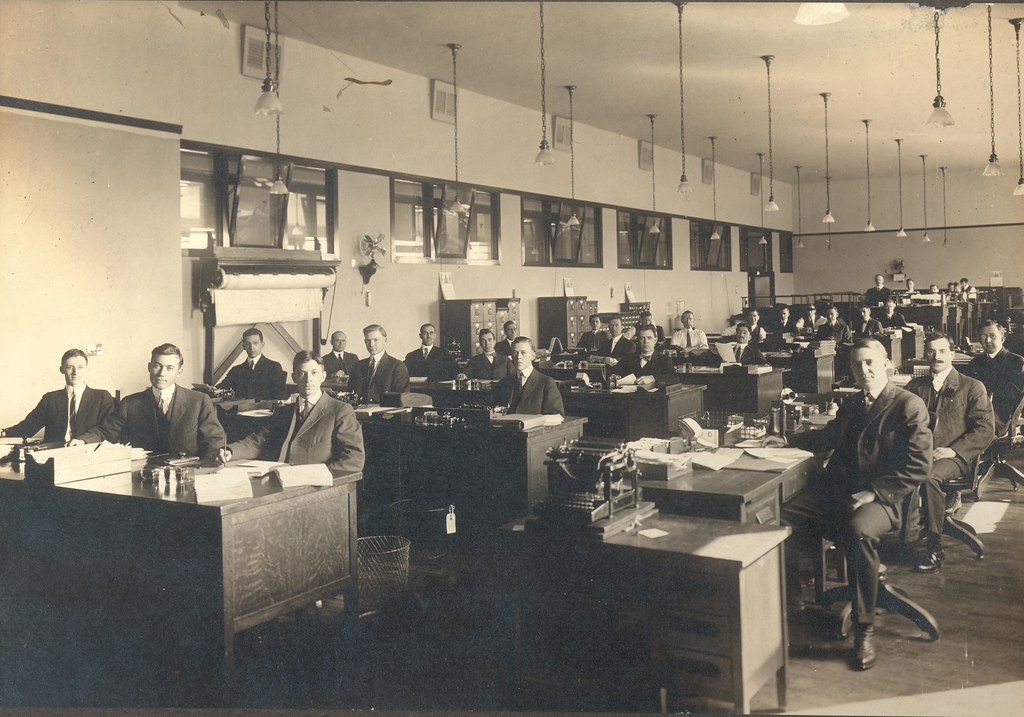
Whose name went on that certificate mattered. The instructions allowed a ten-year-old to open an account and a married woman to hold one under her own name, with control over it independent of her husband. An applicant who signed by making a mark needed a disinterested witness. Once the account existed, postal workers were to keep even the depositor’s name private unless the postmaster general directed otherwise. For a woman saving dimes from household money, the duplicate in the post office identified exactly whose signature belonged to the dollar. The notice establishes what she could do. It leaves open how many Medford women did it. [1][2]
The date on the certificate
Four months earlier, on June 16, Oregon’s Roseburg Review had printed instructions for its own post office’s July opening. Its account explains an easily overlooked entry on the Medford certificate, the date interest began. The office calculated interest on each certificate separately, beginning on the first day of the month after deposit. The rate was two percent a year, with nothing payable for a fraction of a year. A dollar deposited on Medford’s advertised opening day would therefore start earning on November 1. A customer who left it there for a full interest year earned two cents. Someone who had spent months filling the card began on precisely the same terms as a neighbor who brought in a dollar coin that morning. [1][4]
That distinction gives the nine spaces on the card their historical interest. An account ledger could date the day a customer brought in a first dollar. It could tell a later reader very little about how long the customer had been saving. The office let a person begin with the next dime that came to hand. Only when the filled card came back across the counter did the government put a name and a date to the result. [1][2][4]
Sources
- The Medford Patriot, October 12, 1911, page 3. Medford and Wakita opening notice and instructions for depositors. Oklahoma Historical Society.
- United States Congress, Act of June 25, 1910, chapter 386, 36 Stat. 814, especially sections 4–7.
- Smithsonian Institution, National Postal Museum. Post Office Department photograph of postal savings employees in New York City, October 13, 1914.
- Roseburg Review, June 16, 1911, page 1. Notice of the July opening and rules for computing interest. Historic Oregon Newspapers, University of Oregon.