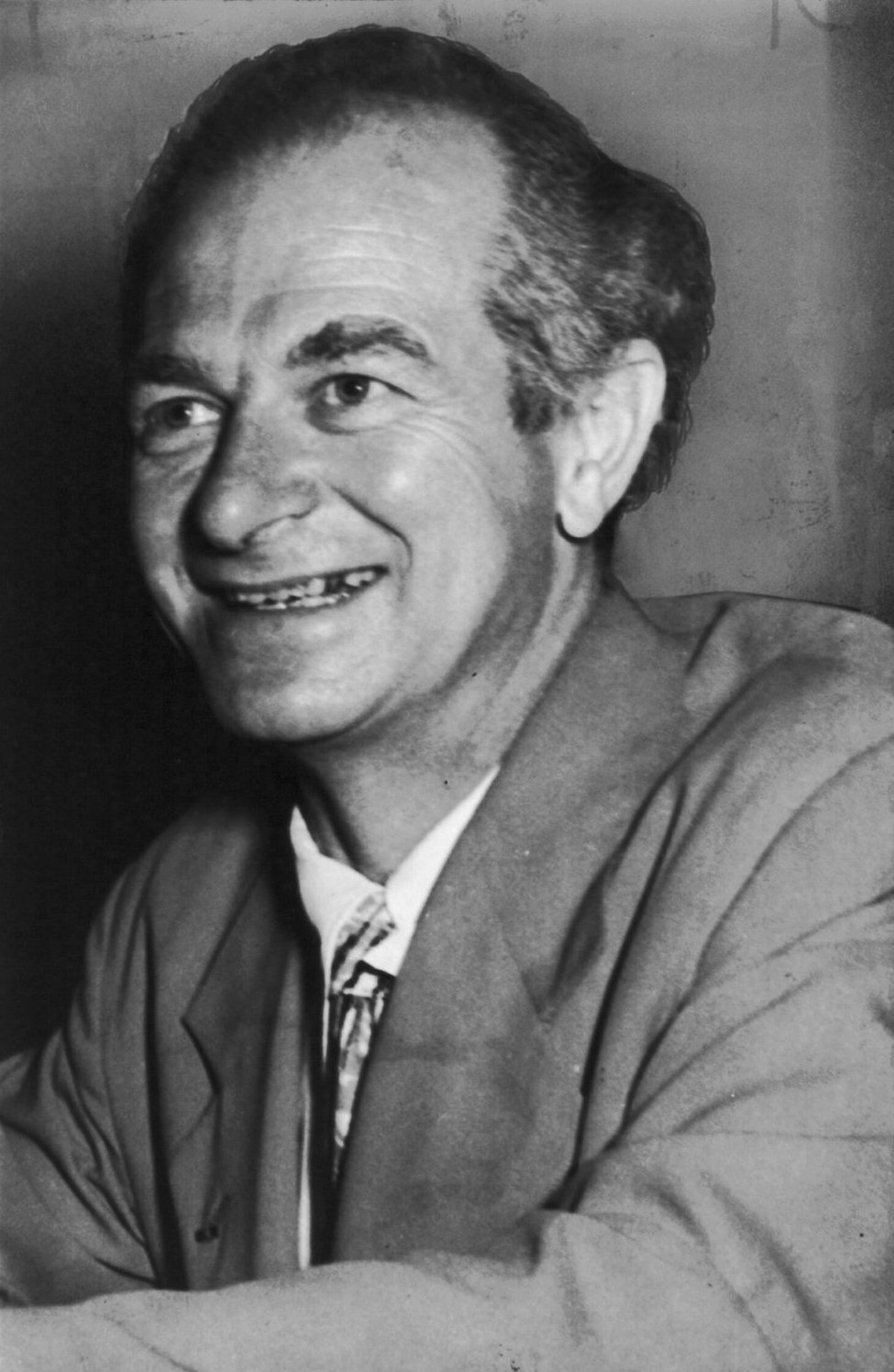
Vitamin C has a strange public-health afterlife. It is ordinary enough to live in orange juice, cheap tablets, and winter cold remedies, yet famous enough to carry the prestige of Linus Pauling, whose 1970 book Vitamin C and the common cold helped turn a supplement into a yearly household argument.[1][2][3] That fame still bends the discussion. Plenty of people now speak as if vitamin C has already been proved either as reliable cold prevention or as obvious nonsense.
The evidence supports neither extreme. Routine vitamin C supplementation does not reduce how many people in the general population catch colds.[2][3] At the same time, the data do leave room for something narrower and more believable: modest reductions in cold duration, some reduction in symptom severity, and a much stronger preventive signal in people exposed to heavy physical stress or cold environments.[2][3][4] The practical error is not just believing too much. It is refusing to separate prevention, duration, severity, and timing of use into different questions.
Image context: the cover uses a real archival portrait of Linus Pauling from a Library of Congress image preserved on Wikimedia Commons. That choice matters because this article is not only about a vitamin. It is about how one scientist's public authority turned a biochemical compound into a durable piece of cold-season culture.[5]
Timeline anchors before the claim
- 1970: Linus Pauling published Vitamin C and the common cold, the book that made high-dose vitamin C part of modern cold folklore.[1][2][3]
- 2013: the Cochrane review cited by NIH's Office of Dietary Supplements and summarized in later review literature found that routine vitamin C did not lower general-population cold incidence, though it did modestly shorten duration and looked different in high-stress subgroups.[2][3]
- 2023: a meta-analysis in BMC Public Health argued that vitamin C's effect may land more on severity than on total duration, estimating a 15% decrease in cold severity overall and a stronger effect on severe symptoms than on mild ones.[4]
- 2026: NIH's current health-professional fact sheet still draws the same broad boundary: regular intake does not appear to prevent common colds in the general population, but it may modestly shorten them and may matter more in specific higher-stress settings.[2]
Those dates matter because they show how little the strongest conclusion has changed. The popular claim went broad early. The evidence stayed narrower.
Myth 1: "If I take vitamin C every day, I will catch fewer colds"
This is the part of the story that most clearly fails in the average healthy adult. The NIH Office of Dietary Supplements says prophylactic vitamin C does not appear to reduce the risk of the common cold in the general population.[2] The 2018 review article in Nutrients, summarizing the long placebo-controlled trial record, puts the same point numerically: across the general population, daily vitamin C at doses of 0.2 g/day or more did not reduce the number of people who caught colds, with a relative risk of 0.97 and a 95% confidence interval of 0.94-1.00.[3]
That does not mean the prevention story is uniformly empty. The same review found a striking subgroup effect in people under heavy physical stress, including marathon runners, skiers, and soldiers, where regular vitamin C supplementation reduced cold incidence by 50%.[2][3] NIH preserves that distinction in its current summary and adds two other settings where the signal may be more plausible: cold environments and marginal vitamin C status.[2]
So the myth is not just that vitamin C prevents colds. The myth is that one answer covers every population. For the average person living an ordinary schedule, prevention evidence is weak. For people under exceptional physiological strain, it looks materially stronger.
Myth 2: "If it does not prevent colds, then it does nothing useful"
This is where the evidence becomes modest rather than empty. The same placebo-controlled literature that fails to show broad preventive power does show shorter colds among regular users. NIH's fact sheet says routine supplementation modestly reduced cold duration by 8% in adults and 14% in children.[2] The 2018 review article repeats that estimate and also notes reduced symptom severity, while warning that severity measures varied across trials and therefore resist overprecision.[3]
The 2023 BMC Public Health meta-analysis is useful because it sharpens that severity question instead of treating all cold outcomes as interchangeable.[4] Across 15 comparisons from 10 trials, vitamin C significantly decreased common-cold severity by 15% with a 95% confidence interval of 9% to 21%.[4] In the subset of trials that could directly compare mild and severe symptoms, vitamin C showed a significant benefit for the duration of severe symptoms while showing no significant effect on mild symptoms.[4]
That is an important correction to the usual dinner-table argument. The practical value of a cold intervention does not depend only on whether it changes the calendar length of sniffles at the margins. If an intervention reduces the harsher part of the illness, including days confined indoors or time lost from normal activity, that is a different kind of benefit.[4] It is still not a miracle. The article's own conclusion stays careful: low cost and safety make the effect worth considering in some contexts, but the result is a reduction in severity, not eradication of the common cold.[4]
Myth 3: "You can wait for the scratchy throat and get the same benefit"
The evidence weakens again when vitamin C is used only after symptoms begin. NIH's current summary is blunt: taking vitamin C after the onset of cold symptoms does not appear to affect cold duration or symptom severity.[2] The 2018 review article reaches a similar overall conclusion, saying therapeutic supplementation showed no consistent effect on duration or severity across the studies reviewed.[3]
What keeps the therapeutic story alive is that the small positive signals cluster under narrow conditions. The same review says the greatest potential for benefit appears when treatment is started within 24 hours of symptom onset, given at high doses around 8 g daily, and continued for at least 5 days.[3] That is not the same thing as having settled evidence. It is a suggestion generated by inconsistent and heterogeneous trials, not a clean practice standard.[2][3]
This is also the point where "it is just a vitamin" stops being a useful sentence. NIH says vitamin C has low toxicity overall, but high doses can produce diarrhea, nausea, abdominal cramps, and other gastrointestinal complaints.[2] The same source notes ongoing concern around kidney stones and states a tolerable upper intake level that reaches 2,000 mg/day for adults.[2] That does not make common over-the-counter use reckless. It does make megadose confidence less casual than supplement marketing often implies.
What the evidence can honestly support
The strongest reading in 2026 is narrower than the folklore and more interesting than the dismissal. Routine vitamin C does not prevent common colds in the general population.[2][3] Regular supplementation may still shorten cold duration modestly, may reduce symptom severity by a meaningful but limited margin, and may have clearer preventive value in people under heavy physical stress, in cold exposure, or with marginal vitamin C status.[2][3][4]
That leaves vitamin C in a defensible but smaller role. It is not cold armor. It is not a pure placebo either. It is a low-cost intervention with uneven benefits that depend on what question is being asked, who is taking it, and when it is started. Pauling helped make the claim bigger than the evidence. The literature, read carefully, makes the claim smaller but still not zero.
Sources
- Linus Pauling, Vitamin C and the common cold (Open Library work page for the 1970 book that popularized the claim).
- NIH Office of Dietary Supplements, "Vitamin C - Health Professional Fact Sheet" - current official summary of common-cold prevention, duration, symptom-severity, and adverse-effect boundaries.
- Brody T. "Vitamin C in the Prevention and Treatment of the Common Cold" (Nutrients, 2018; PMC) - review article summarizing the placebo-controlled trial literature, including general-population incidence, high-stress subgroup effects, duration estimates, and the inconsistent treatment-only evidence.
- Hemilä H, Chalker E. "Vitamin C reduces the severity of common colds: a meta-analysis" (BMC Public Health, 2023) - analysis arguing that vitamin C's clearer effect may be on severe cold symptoms rather than on mild symptoms or overall duration alone.
- Wikimedia Commons, "File:Pauling.jpg" - source page for the archival Library of Congress portrait used as the article image.