
CDC's short "8 Tips to Cleanup Mold" is easy to mistake for a generic housekeeping clip. It is more useful than that. The video turns a flooded home into a timed health problem: first keep the cleaner from becoming the next patient, then remove wet materials that cannot be dried, then make air movement and surface cleaning part of the same recovery sequence.[1][2]
That framing matters because mold after a flood sits between home repair and public health. A damp wall, carpet, cabinet, or mattress is not only property damage. It can become a respiratory exposure for people returning too early, working without eye and airway protection, mixing cleaning chemicals, or trying to save porous items that have already crossed the practical drying window.[2][3][4] The clip is worth watching because it keeps the advice concrete without reducing it to one slogan.
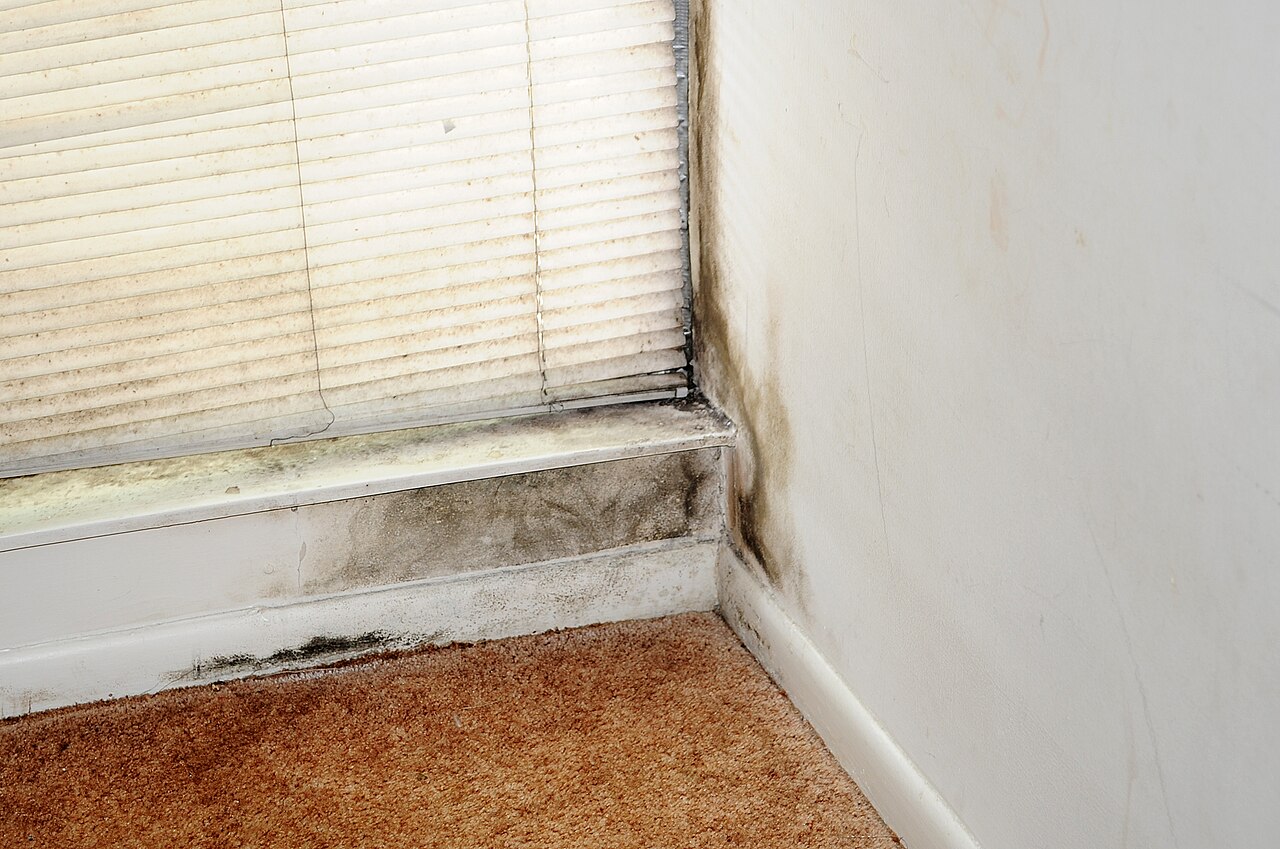
Image context: the cover photograph comes from FEMA's May 24, 2010 record in Nashville, Tennessee, after flood waters receded and officials were giving mold-remediation information to the public.[6] It is a real post-disaster photograph, not a diagram, chart, or generated visual. That matters here because the article is about the messy threshold where guidance has to work in actual damaged buildings.
The video begins with the cleaner, not the mold
The first useful choice in the CDC clip is that it starts with protection. Gloves, a mask, and goggles come before the viewer is asked to scrub, dry, or decide what to keep.[1][2] That order is not cosmetic. CDC's current mold overview says mold exposure can cause symptoms such as stuffy nose, sore throat, coughing, wheezing, burning eyes, or rash, while people with asthma, mold allergy, immune compromise, or chronic lung disease may face more serious reactions or lung infections.[4] In other words, the person doing the cleanup is part of the risk model.
That is the correction many post-flood checklists need. After the water drops, people naturally want to prove that the home can be rescued. The video slows that impulse. It treats cleanup as a job with exposure controls, not as a test of toughness.[1][2] EPA's homeowner and renter guide makes the same point in more formal language: wear personal protective equipment, including at least an N-95 respirator, goggles, and protective gloves.[3]
The video also makes the problem temporal. Its discard rule is blunt: items wet with flood water that cannot be cleaned and dried completely within 24 to 48 hours should be taken outside.[2] That number does not make every case simple, but it creates a needed decision boundary. Porous materials can feel emotionally salvageable even when they have become poor candidates for safe restoration. The public-health value of the clip is that it gives a household permission to stop negotiating with a soaked object.
The middle of the clip is a moisture-control lesson
The most important hidden character in the video is not bleach, detergent, or even visible mold. It is moisture. "Air it out," "circulate," and "dry it up" are separate tips because drying is the mechanism that keeps cleanup from becoming a recurring cycle.[1][2] If the water problem is not fixed, painting or caulking over mold only hides the evidence. The CDC script says that directly: do not cover it; remove it, fix the water problem completely, and clean up all the mold before painting or caulking.[2]
This is where the video earns its annotated-viewing treatment. It is not saying that every homeowner can remediate every flooded building alone. It is saying that safe return depends on a sequence. Open doors and windows when it is safe. Use fans and dehumidifiers only when electricity is safe. Remove what cannot be dried. Clean hard surfaces with water and detergent. Dry right away.[2][3] Each step narrows a different failure path: inhalation exposure, retained moisture, electrical danger, chemical misuse, and hidden regrowth.
The EPA guide, last updated on February 18, 2026, keeps the same architecture in view. Its key messages are not "spray something and relax." They are: wear PPE, use portable generators carefully outside and away from the home to prevent carbon monoxide poisoning and fires, and make sure mold cleanup is complete before reoccupying the home.[3] That last point is easy to understate. Reoccupancy is a health decision, not only a logistical desire.
The cleaner-mixing warning is not a footnote
The clip's warning not to mix cleaners can sound like a standard safety aside until it is placed inside disaster behavior. After a flood, people are tired, underinsured, embarrassed by damage, worried about mold, and surrounded by bottles with similar promises. That is exactly when a simple rule matters: do not mix cleaning products, and do not mix bleach and ammonia because toxic vapors can form.[2]
The broader worker guide from EPA, HUD, NIH, and OSHA is useful because it widens the same point from households to labor. It frames mold remediation after flooding as a worker-protection problem, not merely a building-restoration problem.[5] That matters for volunteers, landlords, maintenance staff, day laborers, and family members drafted into cleanup. The hazards include more than the visible stain on a wall. They include respiratory exposure, eye exposure, contaminated materials, awkward demolition, wet electricity, and chemical handling.[3][5]
The best interpretation of the CDC video is therefore not "eight separate tips." It is a chain. Protect the person. Decide quickly what cannot be dried. Ventilate and dry when safe. Scrub what can be cleaned. Avoid chemical shortcuts that create new hazards. Do not hide mold under paint. Keep the return-to-home decision tied to whether the water problem and visible mold have actually been addressed.[1][2][3][5]
What the video cannot decide for you
The clip is public guidance, not a building inspection. It cannot tell a renter whether the wiring is safe, whether the structure is sound, whether sewage was present, whether a wall cavity is still wet, or whether professional remediation is needed. That boundary should make readers more careful, not less. The right lesson is to use the video as a triage script: it tells you what categories of action matter before you let the desire to get back home outrun the risk assessment.[1][3]
Its strongest public-health move is the clock. Mold cleanup after flooding is not mainly about disgust at a black stain. It is about stopping damp materials from becoming long-lived exposure reservoirs. The video's 24 to 48 hour drying window, PPE-first order, no-mixing rule, and remove-rather-than-cover warning all serve that same idea.[2][3][4] A reader who never watches the clip should still retain the core argument: after a flood, safe cleanup is a timed sequence of exposure control, moisture control, and honest discard decisions.
Sources
- Centers for Disease Control and Prevention, "8 Tips to Cleanup Mold," YouTube video.
- Centers for Disease Control and Prevention, "8 Tips to Clean up Mold" (February 7, 2024) - transcript and public-health cleanup sequence after disasters.
- U.S. Environmental Protection Agency, "Homeowner's and Renter's Guide to Mold Cleanup after Disasters" - EPA/HUD/FEMA/NIH/CDC guide landing page, key messages, and 2026 update note.
- Centers for Disease Control and Prevention, "Mold" - current CDC overview of mold symptoms and higher-risk groups.
- U.S. Environmental Protection Agency, "Mold: Worker and Employer Guide to Hazards and Recommended Controls" - EPA/HUD/NIH/OSHA worker-protection framing for mold remediation after flooding and disasters.
- Wikimedia Commons, "File:FEMA - 44263 - Mold Remediation Awareness.jpg" - FEMA photograph by Martin Grube used as the article image source.