The 2002 Diabetes Prevention Program paper is usually remembered for one clean headline: lifestyle beat metformin.[1] That memory is directionally true, but it leaves out the thing the paper actually built. Read closely, the trial did not compare a pill against vague good intentions. It compared a drug plus light annual counseling with an intensive behavioral delivery system that had its own curriculum, cadence, case managers, and numeric targets.[1]
That distinction matters because it changes what the famous result means. The paper is not really a morality play in which discipline defeats medication. It is a demonstration that prevention becomes stronger when health systems stop offering lifestyle advice as a one-time warning and start treating it as scheduled work.[1][3][4] Metformin still reduced diabetes incidence. The bigger surprise was that prevention could be organized with enough structure to outperform it.[1]
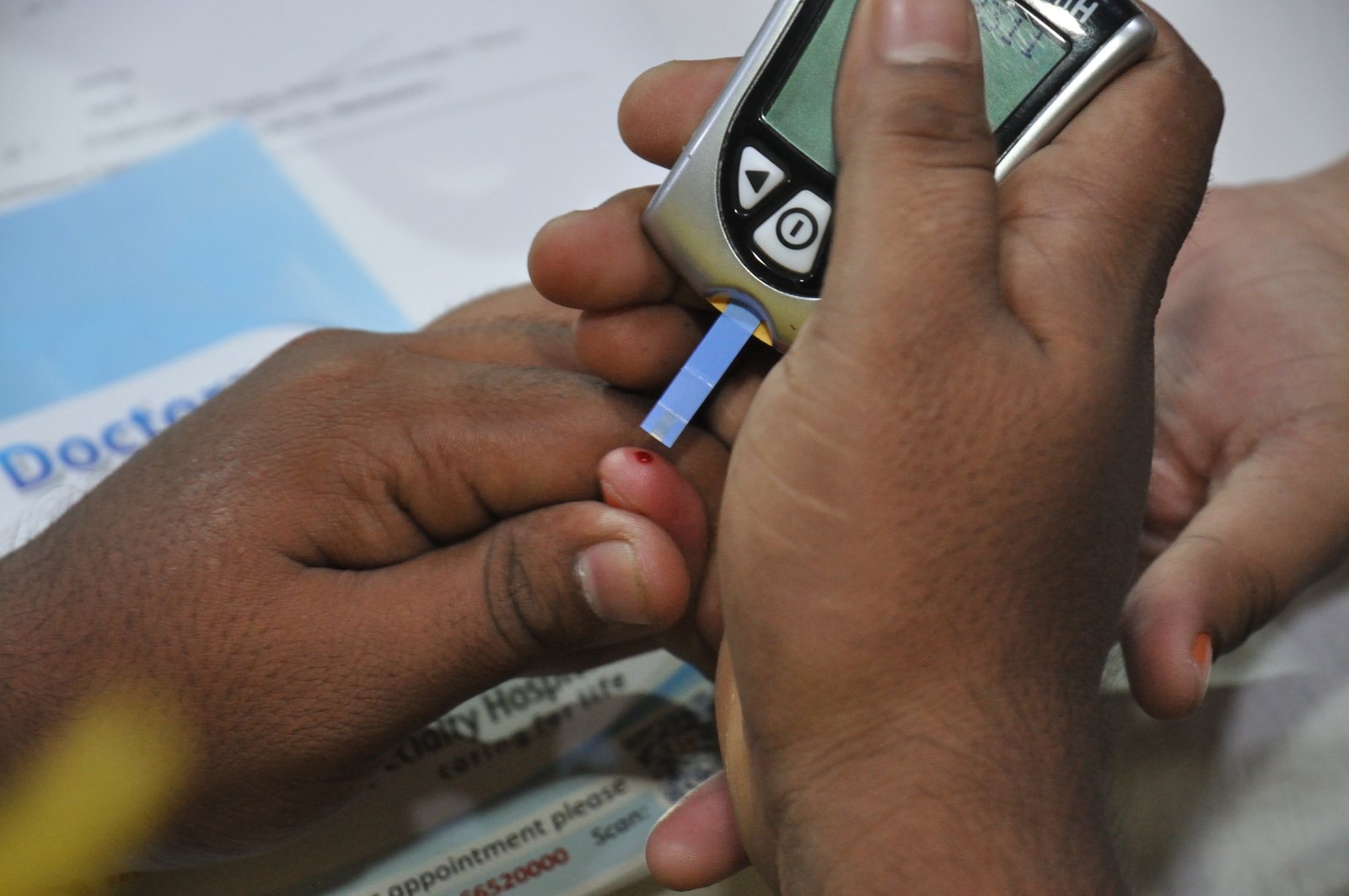
Image context: the cover uses NIDDK's portrait of Pamela, a long-running study participant. That choice is deliberate because this article is about the human infrastructure inside the DPP: repeated visits, self-monitoring, coaching, and long-term retention rather than a generic prediabetes slogan.[5]
Timeline anchors before interpretation
- 1996 to 1999: the DPP enrolled 3,234 adults at 27 U.S. clinical centers; the mean age was 51, the mean BMI was 34.0, 68 percent were women, and 45 percent came from minority groups at high risk for diabetes.[1][3]
- May 2001: the blinded phase ended about one year early after the monitoring board judged the efficacy signal strong enough on roughly 65 percent of the planned person-years of observation.[1]
- February 7, 2002: the New England Journal of Medicine paper reported diabetes incidence of 11.0, 7.8, and 4.8 cases per 100 person-years in the placebo, metformin, and lifestyle groups, respectively.[1]
- 2010: CDC launched the National Diabetes Prevention Program to turn the DPP's lifestyle logic into a wider delivery network rather than a one-off research result.[4]
- 2015: the DPP Outcomes Study reported that, over 15 years, diabetes incidence remained 27 percent lower in the original lifestyle group and 18 percent lower in the metformin group than in placebo, though the between-group gaps had narrowed.[2]
1. The paper did not test advice; it tested a delivery system
The most important paragraph in the methods section is the one many readers skip.[1] Everyone in the trial was at high risk, but the three arms were not built with equal intensity. The placebo and metformin groups received standard written lifestyle recommendations and an annual 20-to-30-minute individual session about healthy behavior.[1] The intensive lifestyle arm got something categorically different: a 16-lesson curriculum in the first 24 weeks, taught one-to-one by case managers, followed by monthly individual and group sessions designed to reinforce behavior change.[1]
That is the real intervention. The target itself was modest on paper, at least compared with the mythology that later formed around the study: lose 7 percent of initial body weight and reach 150 minutes of moderate physical activity each week.[1] What made those numbers powerful was not that they sounded heroic. It was that the trial wrapped them in frequency, accountability, and cultural tailoring.[1] The paper keeps using operational words: curriculum, case managers, logs, reinforcement. The DPP made lifestyle legible as a protocol.
Once that is clear, the comparison with metformin reads differently. The drug arm was not ignored; participants received 850 mg metformin twice daily after titration, with adherence checked quarterly.[1] But the trial was not designed to ask whether biology beats behavior in some pure philosophical sense. It asked whether a high-touch behavioral program could outscore a lower-touch medication pathway in people selected for especially high risk. That is a more practical and more interesting question.
2. The famous numbers depend on that operational asymmetry
The headline result still deserves its place in medical memory. After an average follow-up of 2.8 years, diabetes incidence was 58 percent lower in the lifestyle group than in placebo and 31 percent lower in the metformin group than in placebo.[1] The estimated three-year cumulative incidence was 28.9 percent in placebo, 21.7 percent in metformin, and 14.4 percent in the lifestyle arm.[1] Put in clinical-workflow terms, the number needed to treat for three years to prevent one case of diabetes was 6.9 for lifestyle and 13.9 for metformin.[1]
What those figures do not mean is that "lifestyle" won as a free-floating virtue. The lifestyle arm won as an organized service. The paper's public afterlife often compresses the comparison into food versus pills, effort versus chemistry, or virtue versus convenience. The trial itself is less sentimental. It compares one tablet plus brief annual counseling with an elaborate prevention apparatus: repeated coaching, self-recording, and behavioral troubleshooting over time.[1]
That is also why the paper traveled so well into health-policy language. If the intervention had depended on rare specialist charisma, the result would have remained academically impressive and operationally thin. Instead the article described something that could, at least in principle, be copied. That reproducibility is the hinge between the 2002 paper and the later National DPP built by CDC and partner organizations.[3][4]
3. The close reading gets sharper when you look at maintenance, not only effect size
Another reason the paper aged well is that it never pretended the lifestyle arm was effortless.[1] By the end of the 24-week curriculum, 50 percent of participants in the lifestyle group had reached the 7 percent weight-loss goal, but by the most recent visit that figure had fallen to 38 percent.[1] The physical-activity target looked better, with 74 percent meeting the 150-minute goal at 24 weeks and 58 percent still doing so at the most recent visit, yet even that pattern shows slippage rather than perfection.[1]
Those details are not side notes. They are the whole story. The DPP paper matters because it shows what prevention looks like when behavior change is treated as a maintenance problem rather than a motivational slogan. The same section quietly reminds readers that the metformin arm was not magically frictionless either: 72 percent of participants took at least 80 percent of the prescribed dose, and not all stayed on the full twice-daily regimen because of side effects.[1] Every arm had operating costs. The lifestyle arm simply spent those costs on human contact instead of tablets alone.
NIDDK's later description of the program makes this continuity visible. The institute frames the DPP and the ongoing DPPOS as studies that changed how people approach prevention, and notes that group versions later became more scalable, cost-effective, and available through organizations such as the YMCA and the CDC network.[3] The point is not that the original trial solved adherence forever. It is that it proved adherence could be designed for.
4. The 15-year follow-up changes the meaning from escape to delay
The long follow-up is what keeps the original paper from hardening into a fairy tale. By the time the DPP Outcomes Study reported 15-year results, all participants had been offered lifestyle training, the lifestyle group was receiving semiannual reinforcement, and the metformin group was on open-label treatment.[2] Under those conditions, the early gaps shrank. Diabetes incidence across the full follow-up was still 27 percent lower in the original lifestyle group and 18 percent lower in the metformin group than in placebo, but the cumulative incidences had moved closer together: 55 percent in lifestyle, 56 percent in metformin, and 62 percent in placebo.[2]
That is not a disappointment. It is the more realistic reading. The DPP did not abolish diabetes risk. It delayed disease onset and reduced incidence over meaningful stretches of time.[2][3] The microvascular findings in the 15-year report are even more sobering and useful: there was no significant overall difference in the aggregate microvascular outcome between treatment groups in the whole cohort, but participants who never developed diabetes had a 28 percent lower prevalence of microvascular complications than those who did.[2] Prevention still matters. It just matters in the register of delay, exposure time, and accumulated damage, not miracle immunity.
Why this close reading still matters
The strongest way to read the DPP in 2026 is not as an argument against drugs. It is an argument for precision about what "lifestyle intervention" actually means.[1][2][4] When CDC says the National DPP is a structured lifestyle change program, the word that matters is structured.[4] The whole legacy of the 2002 paper is packed inside that word: targets, sequence, accountability, and enough repeated human contact to keep ordinary people moving after the first burst of motivation fades.
That is also why Pamela's participant story on NIDDK's site feels like more than a feel-good appendix.[5] She entered the study on October 1, 1997, surpassed the original 7 percent weight-loss goal, and stayed with the long follow-up for decades.[5] One anecdote does not substitute for trial evidence, but it does put the paper's real unit of analysis back in view. The DPP did not merely prove that weight loss is healthy. It proved that prevention can be scheduled, coached, and kept alive long enough to change a disease curve.
Sources
- Diabetes Prevention Program Research Group, "Reduction in the Incidence of Type 2 Diabetes with Lifestyle Intervention or Metformin" (New England Journal of Medicine, 2002) - the original randomized trial with 3,234 participants, the 16-lesson lifestyle curriculum, and the 58% vs 31% incidence reductions.
- Diabetes Prevention Program Research Group, "Long-term effects of lifestyle intervention or metformin on diabetes development and microvascular complications over 15-year follow-up: the Diabetes Prevention Program Outcomes Study" (Lancet Diabetes & Endocrinology, 2015) - the 15-year follow-up showing 27% and 18% incidence reductions and the more limited microvascular signal.
- National Institute of Diabetes and Digestive and Kidney Diseases, "Diabetes Prevention Program (DPP)" - official program overview with trial design, long-run follow-up, and translation into scalable prevention models.
- Centers for Disease Control and Prevention, "About the National Diabetes Prevention Program" - CDC's current description of the yearlong structured lifestyle-change network built from the DPP evidence base.
- National Institute of Diabetes and Digestive and Kidney Diseases, "Pamela: Contributing to Type 2 Diabetes Prevention Research" - participant story and source page for the article image.