In Valencia, a long, soft bun called a fartón is just the shape for dipping into a glass of cold horchata. The pastry comes up wet with the milk-colored drink. At Flores Raras, the restaurant led by Carolina Álvarez, the same snack took a savory turn. The kitchen cooked the tiger-nut drink and served a fartón with Mexican white mole. A Valencian diner could recognize the pairing before taking a bite, even as the familiar promise of something sweet gave way to dinner. [1]
Both versions begin with a curious transaction. A grower spends roughly three months drying the little tubers known as chufas. One of the first things an horchata maker does on receiving them is put them in water. What happened in those intervening months is part of what a kitchen buys when it orders Chufa de Valencia. [2][3]
What goes into the sack
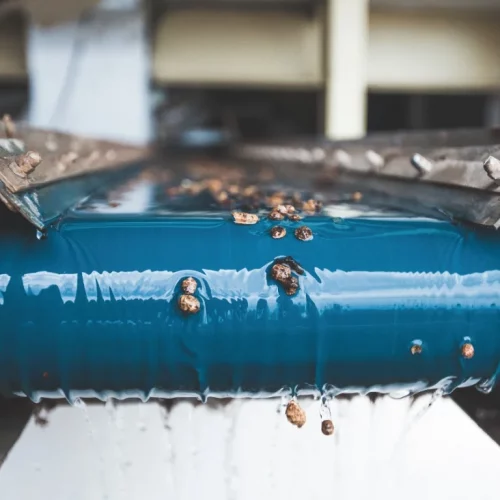
A tiger nut grows at the end of an underground stem on a sedge. Around Alboraya, the loose, sandy soil gives the tubers room to develop, and irrigation channels carry water from the Turia through the fields in summer. At harvest, a machine lifts whole ridges of earth. A screening drum lets soil fall away, but enough gravel and bits of root come along for the ride that the crop still needs washing. Horchatería Dolz describes a succession of drums and water channels before the cleaned chufas reach the drying room, or cambra. [2][4][5]
There the work changes pace. At Dolz the tubers are turned twice a day at first so that the whole batch dries evenly. As the moisture leaves, the turns grow less frequent. Dolz puts the starting moisture at about half the tuber's weight and the finish at about eleven percent. Only then comes the last hand selection and the sound crop goes into sacks. The apparent downtime between harvest and sale includes months of handling an ingredient small enough to slip between two fingers. [4]
For a buyer, the numbered label issued by the local regulatory board answers a precise question about that sack. The protected designation covers growing, washing, drying and sorting within a defined area. Its specification describes slow drying as a process that changes the tuber's chemical composition. It also gives a sense of what survives the cure. On a dry-weight basis, fat and starch each account for at least a quarter of the finished chufa, alongside its own sugars. There is considerable substance packed into that wrinkle of skin. [2]
The second pressing
The board's horchata recipe begins with 250 grams of dried chufas and a soak of six to eight hours. For the grinding, the cook divides a litre of very cold water in two. The first half goes in with the softened tubers. The resulting paste is squeezed through cloth, leaving a cake of damp pulp. That cake gets the other half of the water and another pressing. Only after the second extraction does the cook dissolve sugar in the liquid and chill it. A pastry dipped in the glass picks up the proceeds of both squeezes. [3]
A cook who stops before adding sugar has other possibilities. At La Salita in Valencia, Begoña Rodrigo has served savory horchata with shellfish and an escabeche made with her own chufa vinegar. In another dish she kept the tuber whole, using an alkaline soak and cooking to make it pliable enough to stand in for the olive on a gilda, the Basque bar skewer. A pickled pepper and roast mackerel supplied the company. [1]
Of those two bites, the skewer gives the diner the rare chance to see the ingredient at something close to the scale at which it was harvested. In the horchata, all that remains visible of the growing season and the patient turning in the cambra is the pale liquid clinging to the end of a bun.
Sources
- El País, reporting on Valencian chefs cooking with chufas, including Flores Raras and La Salita
- Official Journal of the European Union, protected designation specification for Chufa de Valencia / Xufa de València
- Consejo Regulador D.O. Chufa de Valencia, recipe for horchata
- Horchatería Dolz, harvesting, washing and drying chufas
- Fartons Polo, illustrated account of the crop and its processing