At Lorea in Mexico City, a reported 2025 menu opened with three small invitations to eat: an escamol sope with avocado and jalapeño, a corn gordita filled with crab salad, and a tuna tostada with pipián. Sommelier Eduardo Arias accompanied the starters with two Mexican ferments, tepache from Colima and pulque from Tlaxcala. The account places the drinks beside the trio without assigning a separate glass to each bite.[1]
It is an appealing place to begin thinking about pulque. Corn, seafood, seeds and an emulsion give the mouth several textures before dinner has properly settled into its chair. A drink with some soft weight of its own can become part of that conversation. The pairing question is how the next sip changes the next bite.
Pulque is made by fermenting aguamiel, the sap of certain agaves. Its pale opacity and characteristic viscosity can suggest something creamy, but that texture develops through fermentation.[2] For a dining room, this makes mouthfeel an essential part of the pairing: acidity matters, yet the drink also occupies space on the tongue.
A body built by fermentation
Pulque's microbial community performs several jobs. Yeasts and bacteria produce alcohol; acid-producing bacteria contribute sourness; other microbial activity creates extracellular polysaccharides, including dextrans and fructans, that help account for its viscosity. Those long carbohydrate molecules explain why thickness alone tells a diner little about sweetness.[2]
That distinction is useful at the table. A soft, lingering sip need not belong with pudding. Equally, calling a drink acidic does not mean it will feel as light as a sharply drawn white wine. Texture and taste can pull in different directions, and a pairing needs to notice both.
Consider the Lorea starters as a prompt, rather than a recipe to reproduce. The corn gives the teeth something to work on; the avocado emulsion supplies smoothness; the seafood and pipián bring their own weight. My reading of the reported pairing is that pulque invites the diner to compare softness with softness, then return to the firmer bite of masa. That is an interpretation of the combination, not a claim to have tasted that service.[1]
For a new pairing, I would start with a small pour beside a mushroom sope or a crisp-edged corn cake with a modest amount of bean purée. These are proposed trials: take a bite, sip, then return to the food. If the second bite feels lively and distinct, the drink is contributing. If the two soft textures blur together, reduce the purée or choose a lighter-bodied batch. More richness is not automatically more pleasure.
The producer changes the pairing
There is no single pulque texture to memorize. A 2020 study compared production in Santiago Undameo and Tarímbaro, two communities in Michoacán. Researchers documented a practice of boiling sap before inoculation in Santiago Undameo, while the Tarímbaro producers they studied fermented unboiled sap. The resulting beverages differed in sweetness, acidity and microbial composition.[3]
The study's reported alcohol values were about 3.9% and 4.9%, respectively. Those are measurements from the sampled production systems, not a universal strength range. Agaves, local conditions and production practices varied between the communities, too; the comparison should not be treated as a controlled experiment isolating boiling alone.[3]
For pairing, the useful lesson is variation. A menu that merely promises “pulque” leaves a great deal unspecified. The producer and the actual glass matter. Ask how sweet, sour and viscous today's pour is, then choose the preparation around it. A dish already carrying a generous acidic salsa gives the drink a different job from the same dish served with a mellow bean sauce.
This is also where a short introduction from the server earns its place. Naming the producer and describing the pour's texture gives the diner something to notice immediately. A long speech about antiquity can wait until after the first sip.
Curado changes the composition
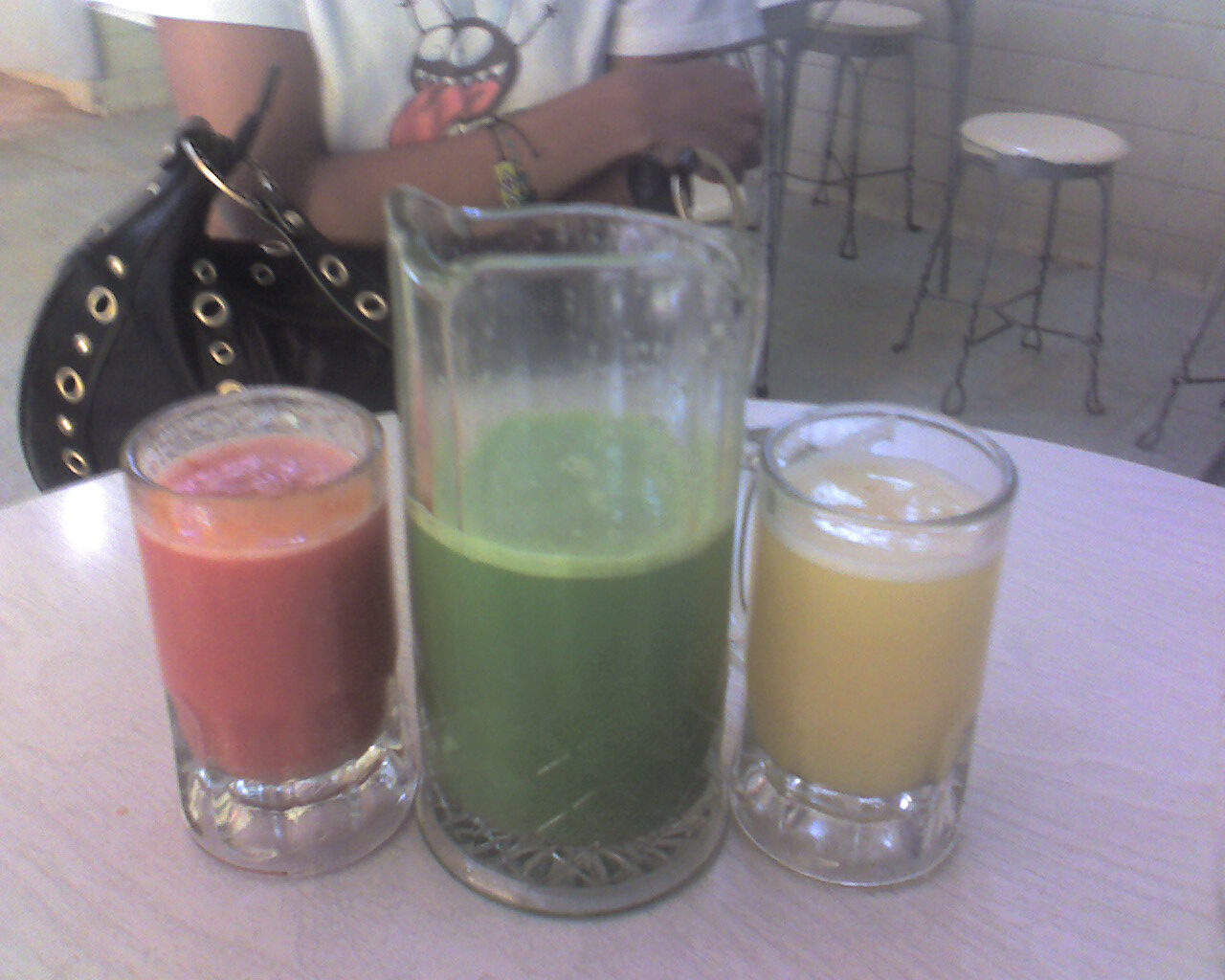
Pulque served on its own is often called natural; a curado combines it with ingredients such as fruit, vegetables, nuts or spices.[2] The additions make each curado a separate pairing proposition. The name alone cannot tell you how sweet it will be.
Mexico's heritage cities association gives useful starting points: its beverage guide recommends pulque with lamb barbacoa, mole and cheeses including queso fresco and Cotija. These are culinary recommendations, rather than results of a controlled tasting. They do, however, place the glass alongside substantial savory food, with plenty of room for texture and seasoning to matter.[5]
For a savory course, I would taste a fruit curado against the finished sauce before committing to it. Fruit aroma might echo a roasted pepper or a garnish; added sweetness might also dull a dish whose appeal depends on a clean, savory finish. A nut-flavored version could suggest a connection with toasted seeds, but repeating a flavor is only the beginning. The drink and food still need enough contrast to keep the mouth interested.
The same reasoning leaves room at dessert without assigning every curado there. A lightly sweet preparation and a heavily sweetened one ask different things of the plate. Choose the actual drink, with its additions, before deciding how much sugar the dessert needs.
A pairing that has to arrive in condition
Service is part of the flavor. A 2021 review identifies the short shelf life of traditional pulque as a major production constraint and describes pasteurization among the methods used to stop fermentation in commercial products. Bottled and fresh pulque therefore require attention to how each has been made and handled.[4]
For a restaurant, the practical implication is to work with the supplier's storage and service guidance, then taste the drink with the dish before service. A successful pairing remembered from an earlier delivery is a starting point for the next one. The Lorea account documents a particular 2025 menu, too; it is evidence of an approach, rather than a promise about what is poured there now.[1]
Pulque offers a lovely opening gesture when the kitchen gives its texture something to meet: the edge of a tostada, the tender resistance of masa, a restrained spoonful of sauce. Let the first glass stay small enough that the diner wants another bite. That appetite is the pairing's most convincing argument.
Sources
- Elena Eguiarte, “Jamás sospechaste que los mercados tradicionales y el barro mexicano podían ser la materia prima de un ‘fine dining’ extraordinario,” Food & Pleasure, September 15, 2025 — Lorea's opening trio and Eduardo Arias's tepache and pulque pairing.
- Adelfo Escalante et al., “Pulque, a Traditional Mexican Alcoholic Fermented Beverage: Historical, Microbiological, and Technical Aspects,” Frontiers in Microbiology 7:1026, 2016 — agave sap, fermentation, viscosity and curados.
- Gonzalo D. Álvarez-Ríos, Carmen Julia Figueredo-Urbina and Alejandro Casas, “Physical, Chemical, and Microbiological Characteristics of Pulque: Management of a Fermented Beverage in Michoacán, Mexico,” Foods 9(3):361, 2020 — publisher PDF of the two-community field study; preparation differences and measured alcohol values, especially Table 5.
- Diana G. Valdivieso Solís et al., “Sustainable Production of Pulque and Maguey in Mexico: Current Situation and Perspectives,” Frontiers in Sustainable Food Systems 5:678168, 2021 — shelf-life constraints and commercial stabilization.
- Asociación Nacional de Ciudades Mexicanas del Patrimonio Mundial, Guía de Mezcales y Bebidas Tradicionales de las Ciudades Mexicanas Patrimonio Mundial, 2024, page 20 — pulque pairing recommendations and curados.
- Hernán García Crespo, “Pulque,” photograph, 2007, Wikimedia Commons — three flavors of pulque; CC BY 2.0.