Madeira is easy to misplace on a modern tasting menu. It can look like a dessert wine, behave like a sauce ingredient, smell like a cellar, and cut through richness with the stubborn acidity of something much younger than it is. That is exactly why it deserves a better place in fine dining than the dusty end of the wine list.
The useful way to read Madeira is not as a sweet finish. It is a bridge. It connects the saucepan and the stem. It can meet onion, mushroom, poultry skin, consomme, aged cheese, caramel, coffee, almond, chocolate, and foie gras without asking the kitchen to flatten everything into dessert. A sommelier who understands Madeira is not merely choosing an old fortified wine. They are choosing a tool that can carry browned flavors, salt, sweetness, and acid at the same time.
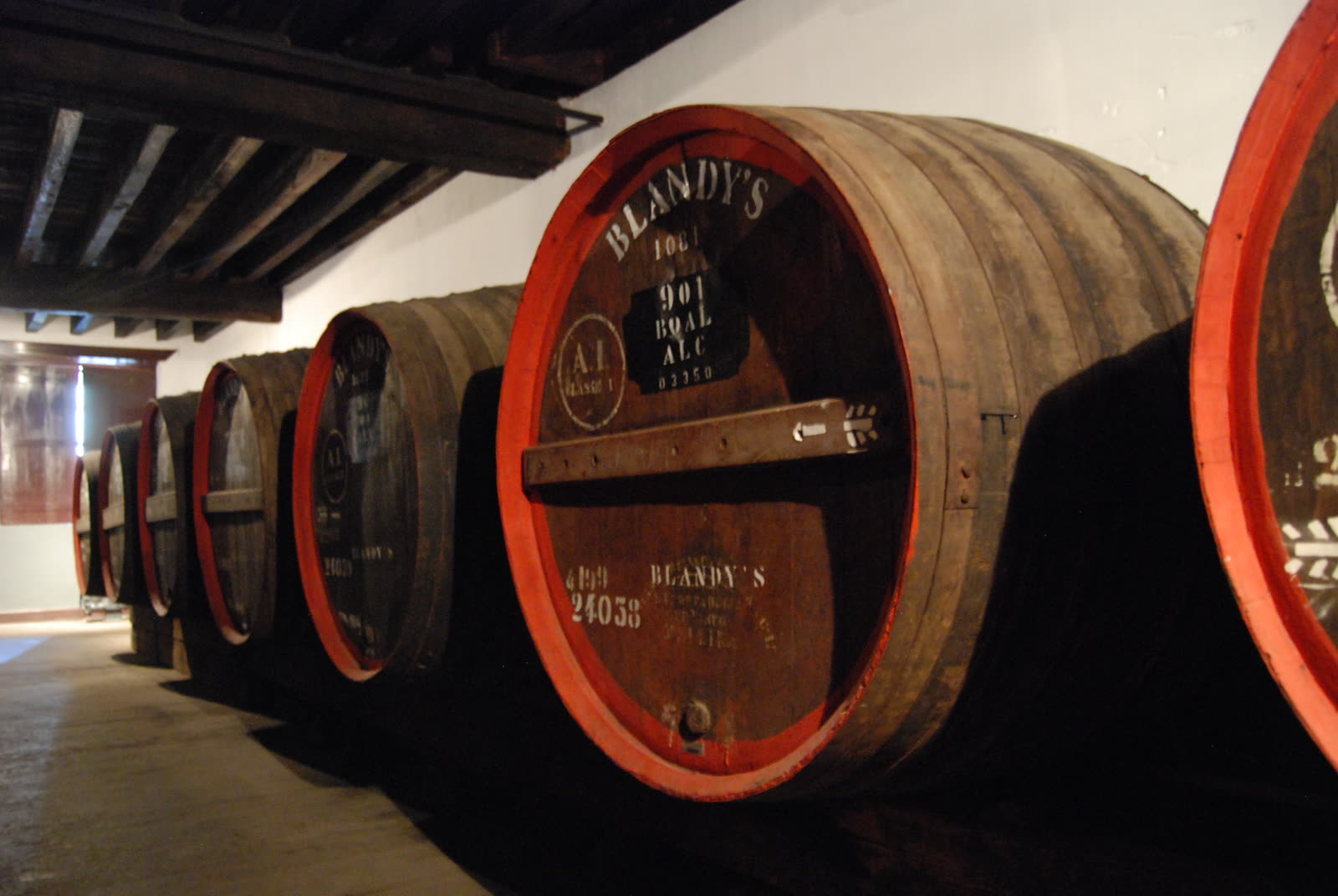
That range begins in production. IVBAM, Madeira's wine institute, describes Madeira wine as fortified after partial or total fermentation, with vinous alcohol at 96 percent used to stop fermentation according to the desired sweetness level.[1] The wine can then go through estufagem, where heated stainless-steel vats run at 45 to 50 degrees Celsius for at least three months, followed by a rest period, or through canteiro, where casks age in warmer upper floors of cellars for a slower oxidative development.[1] This is not accidental heat damage. It is controlled exposure made into style.
For fine dining, that matters because Madeira arrives already fluent in flavors kitchens spend hours trying to build: roast, reduction, browned sugar, toasted nut, dried fruit, citrus peel, smoke, and stockpot depth. Wine Folly's compact phrase for the tasting logic is "sweet and sour," with high acidity held against smoky-sweet and nutty aromas.[5] A dining room can use that tension as a pacing device. Madeira can make a rich course feel more articulate instead of heavier.
The pairing is a shape, not a sugar ladder
The first mistake is treating Madeira as if the only question were dry versus sweet. Sweetness matters, but it is not enough. The official Madeira categories run from extra dry and dry through medium dry, medium sweet, and sweet, with indicative sugar ranges that make the spectrum visible rather than mystical.[2] A bottle labeled dry or medium dry can still feel powerful because acid, alcohol, oxidation, and aroma all carry weight. A sweet bottle can stay alive if the acidity is strong enough.
That is why the best pairing logic starts with shape. A dry or extra-dry Madeira can behave like a sharpened aperitif: briny, salty, nutty, and awake. The Madeira Wine Guide places drier styles with salty and savory foods such as seafood, soups, consomme, roast chicken, olives, and salted nuts.[6] IVBAM's own serving page makes the same dining-room point in simpler form: dry Madeiras work with aperitifs, while medium dry Madeiras can complement soups.[3]
That soup detail is more important than it looks. Soup is a sommelier test because it gives wine very little texture to hide behind. A consomme, onion broth, or mushroom tea needs a glass that can stand up to umami without becoming either thin or syrupy. Madeira's old-fashioned reputation is useful here. It was never built to behave like a fragile white Burgundy. It can sit beside broth, heat, and reduction because its own identity already includes controlled oxidation and warmth.
Medium-dry and medium-sweet styles open the middle of the menu. Verdelho-leaning bottles can work with smoked fish, roast pork, mushrooms, brown butter, or poultry. Bual or Boal can step toward aged cheese, terrines, pate, caramelized edges, and nut sauces.[6] This is where Madeira becomes especially fine-dining friendly. It does not ask the chef to choose between savory and sweet. It can hold both, which means it can meet dishes that already live in the blur: roast duck with date, morel with cream, onion with almond, chicken skin with jus, or a cheese course that wants lift rather than another heavy red.
Frantzen's onion lesson
The clearest modern example is not a grand old dining room with a trolley. It is Frantzen in Stockholm. In a World's 50 Best sommeliers feature, Andre Bekker explained a pairing for Bjorn Frantzen's onion, liquorice, and almond course: Barbeito Rainwater 5 Year Old Reserva Madeira with an onion soup built from caramelized onion, almond, liquorice cream, almond oil, and foam.[4] The logic is not "sweet wine with sweet food." It is more precise. The wine echoes caramelized onion while its nuttiness meets the almond structure, so the glass makes the dish more coherent rather than merely more luxurious.[4]
That example should be pinned above every tired pairing menu. Madeira works when the sommelier has identified the hidden architecture of the dish. Onion is not just vegetable sweetness. In a serious kitchen it can become sugar, sulfur, stock, roast, silk, smoke, and memory. Almond is not just garnish. It is fat, bitterness, perfume, and texture. Liquorice adds depth and danger. A wine with sweetness alone would make the course obvious. A wine with acid, oxidation, and nutty resonance gives the dish a second spine.
This is the difference between pairing as matching and pairing as editing. Matching says brown flavors go with brown flavors. Editing asks what the dish needs to stay readable after the third spoonful. Madeira's acidity is the editor. Its sweetness and oxidative depth are the ink.
The kitchen already knows the answer
Chefs often understand Madeira before diners do because the wine has long been at home in reduction sauces. Wine Folly notes that Madeira can be used for deglazing, reductions, sauces, dressings, and mushroom cookery because a small amount brings layered intensity.[5] That culinary role should not relegate it to the kitchen. It should make the dining-room case stronger.
If a sauce Madere works because wine, stock, meat glaze, mushroom, and butter form a single savory-sweet register, then a poured Madeira can extend the same register without repeating it exactly. The glass becomes a parallel sauce: cleaner, brighter, colder, and more aromatic. With beef or duck, that can keep the course from sinking. With mushrooms, it can make earthiness feel polished. With a cheese cart, it can avoid the blunt red-wine mistake, especially when the cheese is aged, nutty, salty, or blue-veined.
The best service move is restraint. Madeira wants small pours. Its alcohol and intensity can fatigue a table if the sommelier pours it like table wine. Madeira Wine Guide suggests compact glassware and cooler service for drier styles, around 11 to 13 degrees Celsius, while richer styles can start slightly warmer, around 14 to 16 degrees.[6] Those numbers are not pedantry. Temperature decides whether the wine reads as lift or syrup, scent or burn, freshness or weight.
There is also a stamina argument. A long tasting menu often loses shape in the last third because pairings become heavier just as the guest is getting slower. Madeira can solve that when used surgically. A two-ounce pour with a mushroom, onion, cheese, or caramel course can restart attention. It gives the room an old flavor vocabulary without requiring a heavy bottle commitment. In practical terms, it is one of the rare luxury wines that can be a precision tool by the glass.
Where it fails
Madeira fails when it is treated as nostalgia. A dusty bottle brought out for the cheese course because the room wants to seem classic is not enough. Nor is a generic sweet Madeira poured against dessert because the dessert happens to contain chocolate. The wine's power is its range. If a menu uses only the richest style at the end, it misses the more interesting savory middle.
It also fails when the kitchen has already overbuilt the plate. If a dish contains truffle, brown butter, foie gras, aged cheese, black garlic, caramelized onion, and a sticky jus, Madeira may not rescue it. It may simply add another brown layer. The better pairing is often with a dish that has one clear axis of richness and one clear need: a soup that needs length, a mushroom dish that needs lift, a poultry course that needs an acid line, or a cheese course that needs sweetness without collapse.
That is the real reason Madeira belongs back in serious dining. Not because it is old, rare, or fortified, and not because a sommelier can tell a romantic story about ships and heat. It belongs because its structure lets the table taste how cooking works. Fire browns. Alcohol carries aroma. Acid cleans. Sweetness rounds. Wood and oxygen deepen. A good Madeira pairing gathers those forces into one glass and sends them back toward the plate.
When it is used well, Madeira makes fine dining feel less divided between kitchen and cellar. The sauce and the glass start speaking the same language. The guest does not need a lecture on estufagem, canteiro, sugar categories, or oxidative aging to feel the effect. They only need the right small pour beside the right savory-sweet dish, and suddenly an old wine stops being a museum piece. It becomes service.
Sources
- IVBAM / Madeira Wine, "The vinification process" - official explanation of fortification, estufagem, canteiro, heating ranges, aging, and release constraints.
- IVBAM / Madeira Wine, "Madeira Wine Types" - official Madeira style categories, age designations, and indicative sugar ranges from extra dry through sweet.
- IVBAM / Madeira Wine, "Serving Madeira Wine" - official serving guidance linking dry, medium dry, medium sweet, and sweet Madeiras to aperitifs, soups, cheeses, sweets, chocolate, and coffee.
- The World's 50 Best Restaurants, "9 surprising pairings from the world's leading sommeliers" - Andre Bekker's Frantzen pairing of onion, liquorice, and almond with Barbeito Rainwater Madeira.
- Wine Folly, "Madeira" - overview of Madeira's high-acid sweet-sour profile, fortified structure, oxidative/heated flavor development, and sauce use.
- Madeira Wine Guide, "Tasting & Pairing" - practical service temperatures, glassware, storage, and food-pairing guidance by Madeira sweetness style.
- Wikimedia Commons, "File:Madeira wine kegs.jpg" - real 2008 photograph by Paul Mannix of casks at Blandy's Wine Lodge in Funchal, used as this article's image.