
The French omelette is a strange luxury object because it refuses nearly every shortcut luxury usually enjoys. There is no caviar, no rare fish, no aged beef, no tableside torch, and no antique sauce boat to distract from the work. The dish is mostly eggs, butter, salt, heat, and touch. That is exactly why Jacques Pépin's short omelette video still belongs in a fine-dining feed rather than in a generic breakfast folder.[1]
Pépin's authority here is not celebrity alone. His official timeline gives the deeper frame: he began a formal culinary apprenticeship in 1949, served as personal chef to French heads of state during military service, moved through Le Pavillon and Howard Johnson's after arriving in the United States, published La Technique in 1976, and later built a long television and teaching career around culinary technique.[4] PBS's American Masters page describes the omelette as one of the things he is best known for teaching in America, while KQED's pages place him inside a long public-broadcasting practice of making classical technique legible to home cooks.[2][3][5]
That public-teaching history matters because the video is not a restaurant flex. It is closer to an exam. Pépin shows a classic French omelette by making visible the decisions that many high-end kitchens try to hide inside smooth service: when the eggs should move, when the pan should be tilted, when the curds are still soft enough to fold, and when the cook has to stop touching the food. The result is useful precisely because it is small. If a kitchen cannot control this little oval, the more elaborate plates are easier to distrust.
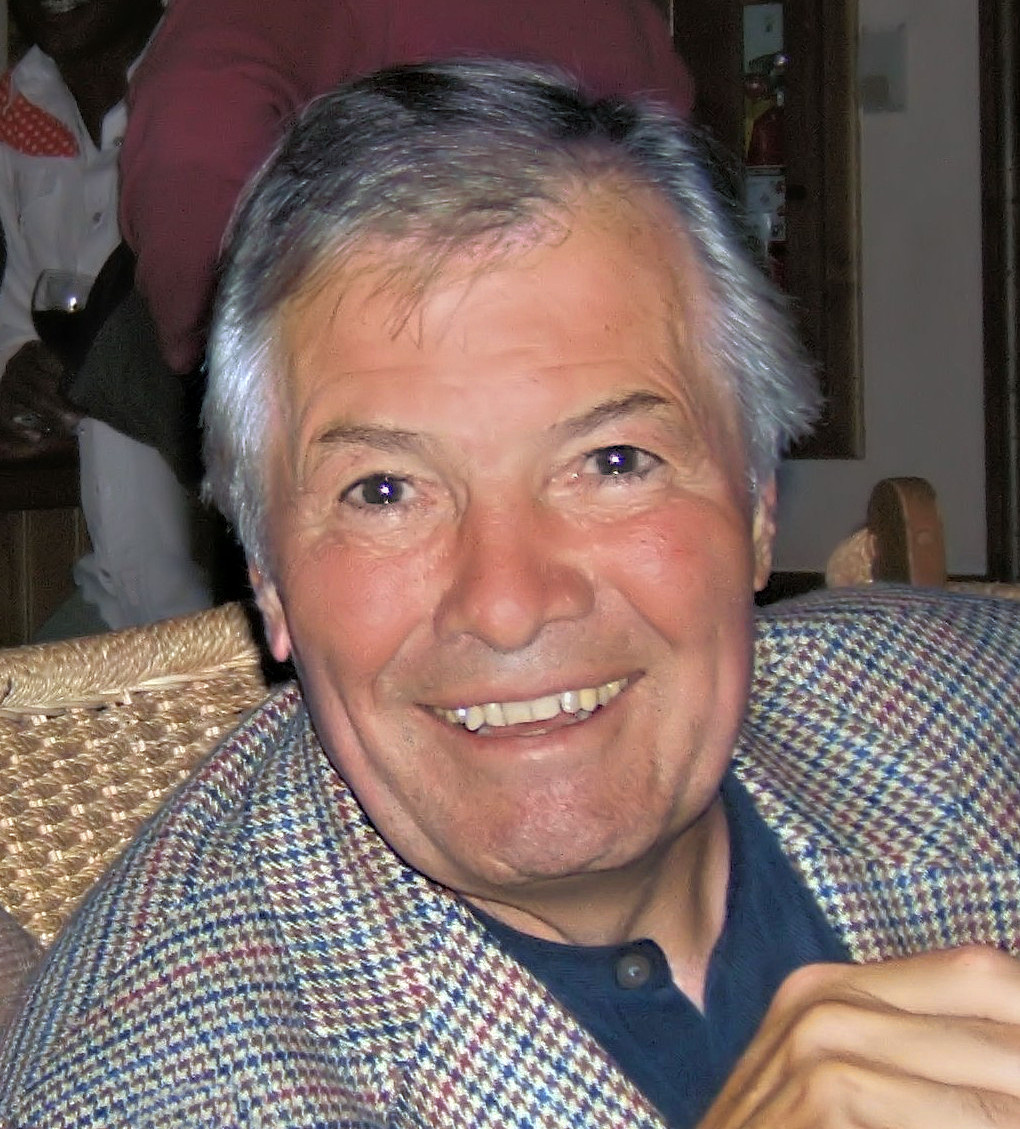
Image context: the cover uses a real 2006 Wikimedia Commons photograph of Pépin rather than a plated egg close-up. That choice keeps the focus where the video puts it: on embodied instruction. The omelette is simple enough that the chef's sequence of hand, pan, fork, and timing becomes the actual subject.[1][6]
Watch the pan before you watch the egg
The first thing to notice is that Pépin does not treat the pan as a neutral container.[1] In fine dining, equipment often disappears from the guest's imagination, but the omelette makes equipment behavior unavoidable. The pan has to release. The heat has to be present without becoming aggressive. The fork has to move quickly enough to break curds while the hand holding the pan keeps the whole mass alive.
That is why the video is stronger than a written recipe for this particular dish. A recipe can tell you that a French omelette should be pale, tender, and rolled. It cannot fully show the pressure of the fork against the pan, the small circular agitation that keeps the egg from setting into a flat sheet, or the way Pépin keeps the mixture moving while still letting it thicken.[1][2] The lesson is not "stir eggs." The lesson is that the cook must keep changing the egg's relationship to heat. Too little movement and the curds become coarse. Too much delay and the surface browns. Too much anxiety and the omelette tears before it has a chance to set.
This is a fine-dining point because tasting menus often depend on the same invisible judgment at a smaller scale: quenelles that must be shaped before they slump, custards pulled before they weep, sauces mounted before they split, fish taken off heat before protein tightening becomes obvious. Pépin's omelette is not a restaurant dish because it is expensive. It is a restaurant dish because it exposes whether the cook understands the boundary between fluid and set.
The classic version is about restraint, not fussiness
Around the middle of the demonstration, the omelette begins to look nearly finished before it is shaped.[1] This is the dangerous moment. A less disciplined cook sees soft egg and panics; a more vain cook keeps working to make the surface visually perfect. Pépin does something quieter. He lets the interior remain soft enough to finish itself, then uses the pan edge and folding motion to turn loose curd into form.
That distinction is why the French omelette keeps its value as a teaching object. It rewards restraint more than elaboration. The cook has to believe that tenderness is not undercooking when the sequence is right. PBS's clip note says Pépin teaches two techniques for the perfect egg dish, and the contrast is useful because "perfect" changes by style.[2] A country omelette can tolerate browning and more visible texture. The classic version cannot. Its luxury lies in the absence of rough edges.
This also explains why the dish still matters after decades of modernist and globally inflected fine dining. Many restaurants now have access to better equipment, more precise temperature control, and more imported ingredients than the kitchens that formed the old French canon. But the omelette asks a stubborn question that technology cannot fully erase: can the cook stop at the right second? In the video, the right second is not announced by a timer. It is read from sheen, thickness, movement, and confidence.[1]
Pépin's teaching style makes technique democratic without making it casual
KQED's Jacques Pépin Cooking At Home page describes short videos meant to turn readily available ingredients into useful dishes for new and experienced cooks, and notes that the series is presented by the Jacques Pépin Foundation.[3] That mission helps explain the tone of the omelette video. Pépin is not guarding the technique behind mystique. He is giving it away. Yet the generosity does not make the standard lower.
This balance is rarer than it sounds. Some fine-dining instruction becomes intimidating because it treats precision as a form of social exclusion. Some home-cooking media goes the other way and suggests that exactness is pretentious. Pépin's omelette rejects both errors. He makes the movement seem approachable, but he never pretends the result is automatic. The viewer can try it tonight with supermarket eggs and an ordinary pan; the viewer will also learn immediately why professionals practice it for years.
That is the real reason the clip still has force in 2026. It turns culinary hierarchy inside out. The humble ingredient becomes the severe test. The famous chef becomes a patient technician. The polished result depends on repetition rather than spectacle. KQED's Essential Pépin description captures the same range, presenting a career that moves from classical Escoffier preparations to homey dishes and desserts.[5] The omelette sits at the hinge between those worlds: ordinary enough for breakfast, exacting enough for a chef's audition.
What the video adds that text cannot
The most important visual information in the clip is tempo.[1] Pépin's hand does not move at one speed. It accelerates when the eggs first hit the pan, softens when the mass begins to thicken, and becomes economical during the fold. This is why back-to-back screenshots of the finished omelette would be almost useless. The dish is not a look; it is a transition.
Watch also how little garnish or explanation the final object needs. The finished omelette is valuable because its surface tells the story of control without shouting. It should look tender, closed, pale, and calm. In a dining room, that kind of calm is easy to underrate because it does not photograph as dramatically as lacquered duck or sculptural pastry. But fine dining is built from many such quiet tests. The omelette reminds us that the deepest technique often appears least decorated at the end.
Seen this way, Pépin's clip is not nostalgia for a vanished French kitchen. It is a compact argument about standards. Good cooking is not only invention, sourcing, or plating. It is the ability to keep attention on a simple thing until the simple thing has nowhere to hide. The omelette survives as a benchmark because it makes that attention edible.[1][4]
Sources
- Home Cooking with Jacques Pépin, "French Omelette," YouTube video.
- PBS American Masters, "Learn Jacques Pépin's famous omelet techniques" - clip page noting the two omelet techniques and original April 28, 2017 PBS publication.
- KQED, "Jacques Pépin Cooking At Home" - series page describing the short instructional videos and KQED YouTube distribution.
- JacquesPépin.com, official timeline - apprenticeship, service as personal chef to French heads of state, Le Pavillon, Howard Johnson's, La Technique, television, and the Jacques Pépin Foundation.
- KQED / PBS, "Essential Pépin" - series page describing Pépin's range from classical Escoffier preparations to home cooking and desserts.
- Wikimedia Commons, "File:Jacques Pépin 2006.JPG" - real photographic source page for the cover image, showing Pépin at the Aspen Food and Wine Classic.