
Demi-glace is one of those kitchen words that can sound more expensive than useful. In weak restaurant language, it becomes shorthand for "brown sauce." In a serious kitchen, it is closer to a time account. Bones were roasted. Vegetables were browned. Stock simmered. Collagen became gelatin. A sauce base reduced until the spoon, the plate, and the guest could all read its texture.
Chef Jean-Pierre's demi-glace video is worth embedding because it makes that account visible without pretending that the sauce is fast.[1] The important drama is not a flaming pan or a perfect garnish. It is the slow transfer of value from raw material into body. A thin stock can taste pleasant, but it cannot carry a steak, duck breast, mushroom ragout, or glazed root vegetable with the same authority. Demi-glace asks for patience before service so that service itself can look effortless.
That is why the classical definition still matters. Escoffier Online describes demi-glace as a thick, rich brown sauce whose viscosity and depth come from long-cooked bones, collagen, gelatin, roasting, and reduction; it also gives the restaurant-school shorthand of combining brown stock and espagnole, then reducing by half.[2] Escoffier's own sauce chapter makes the older logic even stricter: brown roux, espagnole, repeated skimming, reduction, clarification, and restraint exist so sauce can be clear, defined, and supportive rather than heavy or bitter.[4]
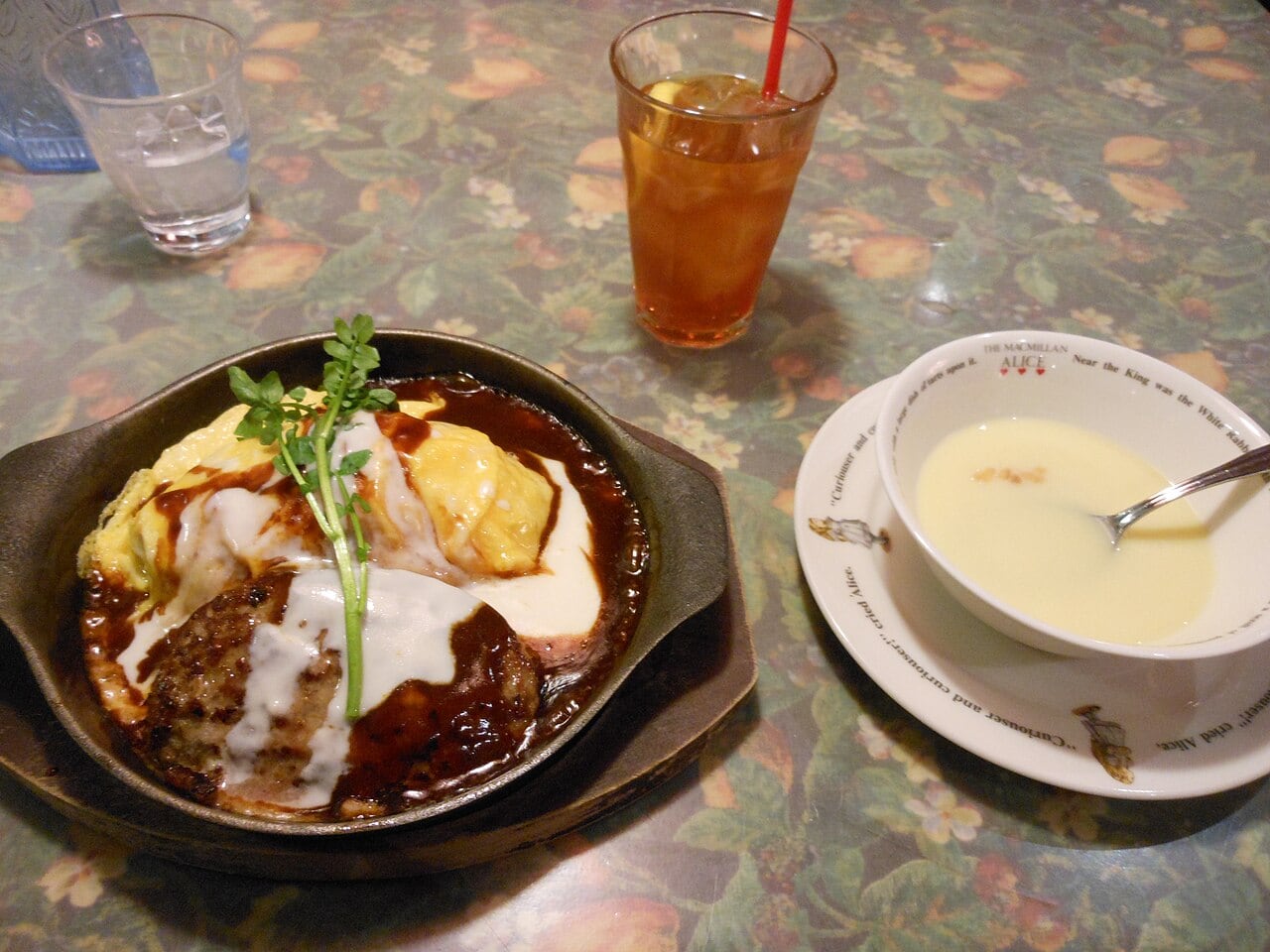
Image context: the cover uses a real photograph of a demi-glace-coated dish, not a diagram of sauce construction. That choice fits the article because the final question is visual and tactile: does the sauce coat cleanly, shine, and make the plate feel composed rather than drowned?[5]
The Sauce Is A Record Of Heat
The first useful thing to watch is how much demi-glace depends on earlier heat decisions.[1] Browning is not cosmetic. Roasted bones and vegetables build the dark flavor that later reduction will magnify. If the roast is timid, the final sauce may become sweet and flat. If it is scorched, reduction will only concentrate bitterness. The sauce remembers the oven.
That memory is what separates demi-glace from a quick pan sauce. Escoffier Online's formula starts with serious stock work: bones browned in a roasting pan, fat poured off, the pan deglazed, mirepoix browned, tomato paste cooked, and the stock simmered for hours with skimming.[2] None of that is plating theater, but it decides whether the final spoonful has length. Fine dining often looks like the last twenty seconds before a plate leaves the pass. Demi-glace is a reminder that some of the most important service decisions happened yesterday.
The video is also useful because it shows viscosity as something to judge, not just a recipe endpoint.[1] A sauce can be reduced enough to taste powerful and still be wrong if it is gluey, salty, or so intense that it bullies the dish. The Culinary Institute of America's nappe note helps define the service target: the sauce should coat the back of a spoon, and the cook should be able to draw a clean line through it without the sauce immediately running back together.[3] That is not decoration. It is portion control made tactile.
Why Gelatin Is More Than Richness
Demi-glace's body often gets described as richness, but body is only part of the point. Gelatin changes how sauce behaves on the plate. It lets a small amount spread with authority, cling to a slice of meat, soften a lean cut, and hold heat without becoming a puddle. Used well, it allows restraint. A cook can use less sauce because the sauce has more presence.
That is the fine-dining lesson hidden inside the old technique. The luxurious move is not to flood the plate. It is to make one spoonful carry enough structure that the diner notices sheen, aroma, salt, meatiness, acidity, and finish without feeling that the dish has been lacquered shut. CIA's distinction between light, medium, and heavy nappe makes the same argument in a service register: the level of thickening should depend on what the sauce is meant to accompany, not on a generic idea of richness.[3]
Watch the video with that in mind.[1] The cook is not only producing a base for other sauces. He is building a controlled reservoir of flavor that can be portioned later. In a restaurant, that matters operationally. Demi-glace can become a bordelaise, a mushroom sauce, a truffle-finished sauce, a quick glaze for meat, or a stabilizing backbone for a pan reduction. Its value is partly culinary and partly logistical: it lets the kitchen respond quickly at service without faking depth from scratch.
The Classical System Still Has A Modern Boundary
There is a danger in romanticizing demi-glace as if every restaurant must make it the old way to be serious. Modern kitchens have combi ovens, pressure cookers, clarified stocks, agar clarifications, vegetable reductions, and lighter jus that may suit the menu better. The argument is not that classical demi-glace is mandatory. The argument is that it teaches a durable standard for what a sauce has to prove.
Escoffier's sauce writing is stern about this standard. Seasoning should support the dish rather than become the dish; sauces should have defined flavor; badly managed roux can make a sauce cloudy, bitter, and overbound.[4] That language may be old, but the service problem is current. A tasting menu can still fail when a sauce is impressive in isolation and exhausting on the plate. Demi-glace is valuable as training because it forces the cook to manage concentration without losing proportion.
That boundary is also why the image matters. A glossy demi-glace over omurice is not haute cuisine in the old hotel sense, but it shows the same readable test: does the sauce sit as a smooth coat, or does it collapse into brown heaviness?[5] Fine dining and everyday restaurant cooking share that tactile question. The difference is how tightly the kitchen controls the answer.
What To Notice While Watching
Notice the reduction pace first.[1] Demi-glace does not reward violence. High heat can speed evaporation, but it can also push bitterness, cloudiness, and sticky edges. A disciplined reduction keeps tasting, skimming, and adjusting because concentration changes the sauce's personality. Salt that seemed moderate at one volume can become harsh at another.
Notice the role of strain and finish next.[1][2] The sauce should not carry debris from its own making. Bones, vegetables, roux, tomato, aromatics, and pan residue do their work, then leave. That is a useful model for luxury cooking in general. The guest does not need to see every source of effort. The guest needs the effort translated into clarity.
Finally, notice how demi-glace changes the meaning of "simple." A plate with meat, vegetable, and a small pool of brown sauce can look conservative. It may also be one of the hardest plates to fake. Without a good sauce, the form is exposed. With a good sauce, the same plate feels complete before anyone adds spectacle. Demi-glace keeps earning its place because it turns slow reduction into a service promise: the kitchen did the hidden work, so the final spoonful can be small, glossy, and decisive.
Sources
- Chef Jean-Pierre, "Demi Glace The King of All Sauces" - YouTube video demonstrating demi-glace preparation and reduction texture.
- Escoffier Online, "How To Make Demi Glace" - culinary-school recipe note on brown stock, espagnole, collagen, roasting, simmering, and reduction.
- CIA Foodies, "Kitchen Vocab: Nappe" - Culinary Institute of America note on sauce-coating consistency, light/medium/heavy nappe, and the spoon-line test.
- A. Escoffier, A Guide to Modern Cookery. Project Gutenberg edition - sauce chapter covering roux, espagnole, seasoning restraint, clarity, and reduction practice.
- Wikimedia Commons, "File:Creamy egg omurice, demi-glace sauce.jpg" - real 2015 photograph by Miyuki Meinaka used as this article's cover image.