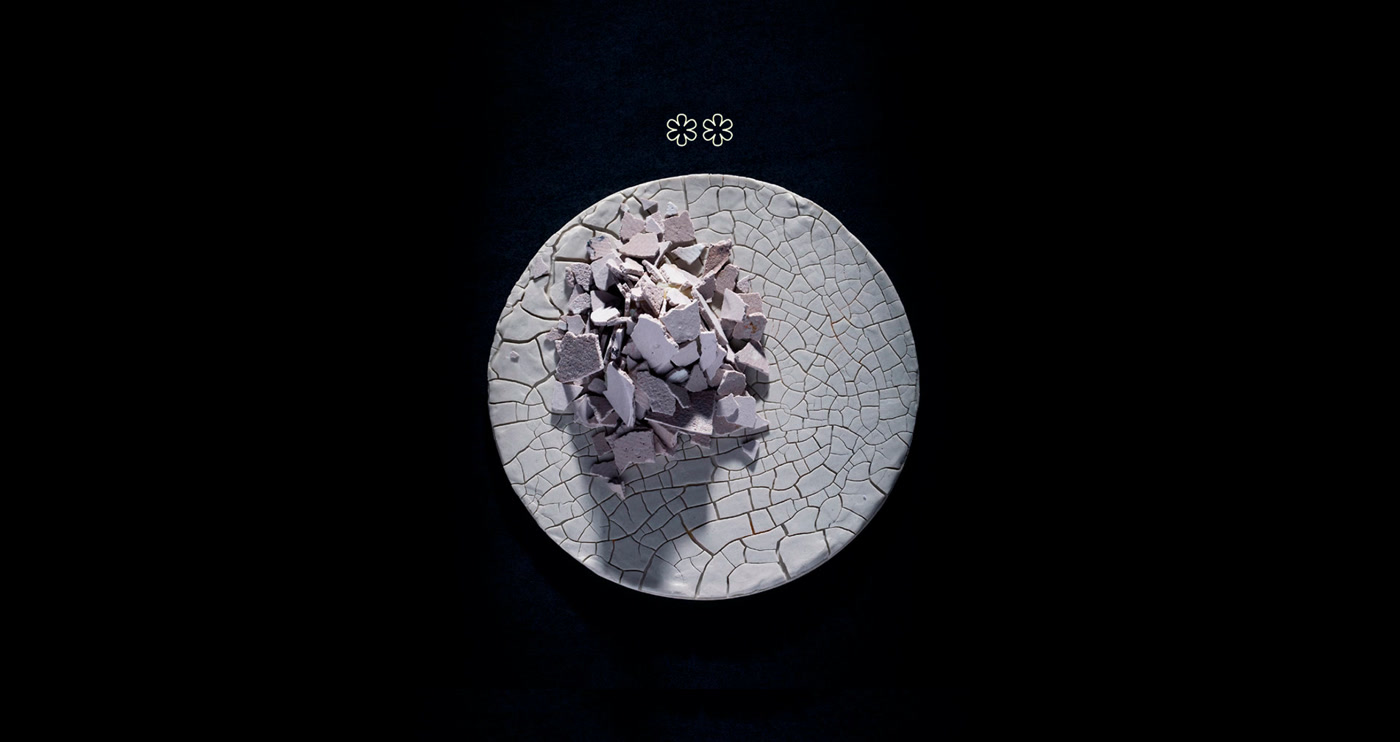
Buenos Aires never lacks for edible theater. The city can sell you beef, wine, and grand room energy almost too easily. Aramburu matters because it takes that national abundance and edits it into something narrower, colder, and more precise.[2][3][4] The restaurant's real achievement in 2026 is not that it offers another luxury tasting menu. It is that Gonzalo Aramburu uses roughly 18 courses to argue that Argentina reads best in sequence: first delicacy, then seasonal contrast, then one carefully placed moment of weight.[1][2][3]
That is why the walkthrough is more useful than a simple star-count recap. MICHELIN still lists Aramburu as a Two Star restaurant in the 2025 Argentina guide, while 50 Best Discovery currently tags it No. 35 in Latin America's 50 Best Restaurants 2025.[2][3] Those are strong status signals. The stronger reader question is what the meal is actually trying to do. The sources point in the same direction: the menu is designed as a paced tour of Argentinian ingredients rather than a parade of generic luxury gestures.[1][2][4]
The menu starts with restraint, not patriotic excess
The clearest long-view source is MICHELIN's first Argentina announcement from November 24, 2023. Its inspectors described Aramburu's cooking as a 16-to-18-course succession meant to show the "full extent and variety" of Argentina's produce, and they explicitly noted the house's choice to avoid beef while building that case.[4] That early framing matters because it tells you what the restaurant wanted to prove once Argentina entered the Guide: this country could be read through technique, seasonality, and emotional progression, not only through grilled meat.
The current MICHELIN restaurant page, updated within the 2025 guide cycle, shows the idea becoming more relaxed and more confident.[2] The inspector text now highlights original snacks, maritime-inspired light bites, dishes that enter into dialogue with seasonal produce, and only later an Angus beef course served with an ulva taco.[2] Put those two MICHELIN texts together and a sharper point appears. Aramburu never needed a doctrinal anti-beef identity. It needed breadth first. Once that breadth was established, beef could return as punctuation rather than default language.[2][4]
That is the most useful way to read the opening stretch of the meal. If the early courses are maritime, airy, and technically controlled, they are doing narrative work, not only flavor work.[2][3] They clear out the old expectation that a serious Argentine dinner has to announce itself with heaviness. The menu wants the guest to arrive at richness by way of contrast. That is why 50 Best Discovery's examples are revealing: scallop clouds, Jerusalem artichoke chips, aubergine, lime ash, liquid nitrogen, foams.[3] These details are easy to dismiss as modernist flourish. In sequence, they perform a stricter function. They create thinness, lift, and visual sharpness before the menu ever asks the diner to absorb weight.
Aramburu's room keeps the pass in charge
The tasting menu would be less persuasive in a plush anonymous room. Aramburu's current setup, especially after the move to new premises in May 2019, is built to keep the kitchen legible.[3] 50 Best Discovery describes an open-plan kitchen, hydroponic planters beside a communal chef's table, and dining-room sightlines aimed directly at the brigade.[3] MICHELIN adds that guests can often see Gonzalo Aramburu himself working the stoves from the dining room.[2]
That visibility changes how the walkthrough lands. You are not receiving a hidden sequence from an invisible back room. You are watching the menu earn its precision course by course. The architecture therefore supports the cuisine's main thesis: control, not abundance, is the luxury product here.[2][3]
The room details reinforce that mood. 50 Best Discovery's description of dark wood, marble, spotlighted tables, and an intimate scale is important because Aramburu does not need bustle to sell energy.[3] It narrows the frame instead. Each course arrives under literal and figurative focus, which helps the tasting menu feel less like a marathon and more like a chain of edited scenes. That is a hard trick in an 18-course format. Plenty of ambitious menus blur by the middle. Aramburu appears designed to resist blur.
The beverage program tells you this is a full-night format
The official site makes the commercial structure plain: the seasonal menu is currently priced at ARS 360,000, with Aramburu's wine pairing at ARS 240,000.[1] 50 Best Discovery adds that the pairing logic reaches beyond wine into cocktails and kombucha.[3] That is more than an upsell note. It tells you the meal is not organized as a classic wine-only luxury ritual. The restaurant wants flexibility in acidity, sweetness, and refreshment across a long progression.[1][3]
That beverage range fits the food's sequence logic. A menu that moves from maritime bites to vegetable dialogue to richer meat punctuation needs more than one register of liquid support. Wine alone can do that in many rooms, but cocktails and kombucha suggest a stronger interest in resets and tempo control.[3] In other words, the pairing is part of the walkthrough, not a decorative add-on.
MICHELIN's note that dessert, coffee, and a post-dinner cocktail move upstairs to the first floor sharpens the point further.[2] Aramburu does not end the night by simply stopping. It changes altitude and mood. That kind of spatial coda makes sense only when the restaurant is thinking in acts rather than courses. The tasting menu is therefore best booked by diners who want to give the evening over to one argument from start to finish.
What the walkthrough finally proves
Aramburu's strongest move is proportion. It takes Argentina's best-known fine-dining clichés and redistributes them. Beef is reduced to one measured accent.[2] Seasonal produce is asked to carry more narrative weight.[1][2][4] Technical modernism is used to lighten the front half of the meal instead of overwhelming it.[3] The room stays intimate and kitchen-facing so the guest keeps reading sequence rather than spectacle.[2][3]
That combination makes Aramburu a strong booking for diners who want Buenos Aires at its most edited and exact. Book it if you want to watch Argentinian ingredients arranged as a long-form composition rather than a patriotic greatest-hits set. Leave it alone if your ideal luxury dinner depends on maximal comfort, old-school plushness, or a steakhouse sense of immediate gratification. Aramburu's pleasure lies elsewhere: in pacing, attention, and the confidence to let delicacy go first.[1][2][3][4]
Sources
- Aramburu official website - current seasonal-menu pricing, wine-pairing pricing, local-and-seasonal product positioning, private-room details, and chef statement.
- MICHELIN Guide, "Aramburu - Buenos Aires - a MICHELIN Guide Restaurant" - 2025 guide status, inspector description of maritime bites, seasonal-produce dialogue, Angus beef with ulva taco, chef visibility from the dining room, and upstairs dessert/cocktail finish.
- 50 Best Discovery, "Aramburu" - current profile covering the 2019 move, open-plan kitchen, hydroponic planters, communal chef's table, room design, beverage pairing including cocktails and kombucha, and Latin America's 50 Best 2025 ranking note.
- MICHELIN Guide, "Argentina's restaurants shine brightly with the announcement of its first-ever MICHELIN Stars!" - November 24, 2023 announcement describing Aramburu's 16-18 course format, produce breadth, and deliberate avoidance of beef in the first-guide framing.