The US Mint shipped 35.8% more circulating coins in fiscal 2025, yet its return from issuing them fell 65.6% to $34.2 million.[1] The warning for the penny phaseout is straightforward: savings on one denomination have to survive changes in the rest of the coin bag.
That return is called seigniorage: the difference between the coins' face value and the cost of producing them.[3] A busy mint can generate less of it when orders shift toward coins that cost more than they buy.
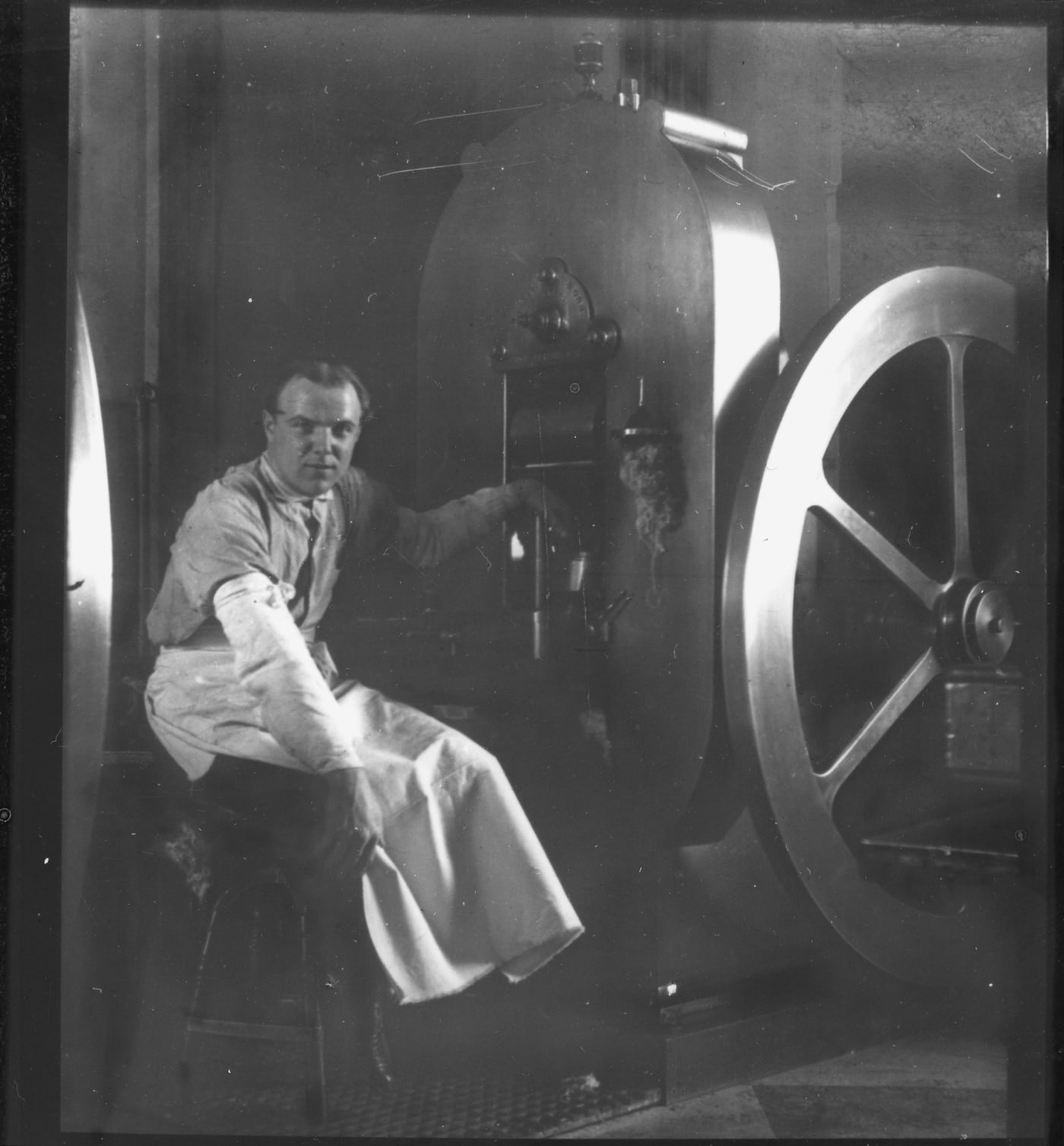
The customer pays the number on the coin
The Federal Reserve Banks buy circulating coins from the Mint at face value. They then supply banks and credit unions, adjusting those institutions' account balances when coins are ordered or deposited. The Mint manufactures the objects; the Reserve Banks help distribute them.[2]
This arrangement fixes the Mint's selling price. A quarter brings in a quarter, regardless of the cost of copper, the workload on a press or the expense of administration. The Mint cannot attach a fuel surcharge to pocket change.
Its FY2025 accounts put the total unit cost of producing and distributing a nickel at 13.31 cents. A quarter cost 14.53 cents. The nickel therefore consumed more resources than its face value recovered, while the quarter left a surplus.[1]
Now consider an order book that adds nickels while removing quarters. More pieces can leave the loading dock even as the financial result deteriorates. Counting coins treats those shipments as equivalent; their contributions to seigniorage have opposite signs.
That is part of what the audited denomination tables show: penny and nickel shipments increased, quarter shipments declined, and total shipment value fell while gross costs rose.[1] The Mint's subsequent budget justification attributes its weak return per dollar to denomination mix and higher metal costs.[3]
The Mint cannot simply sell more quarters
A private manufacturer might respond by pushing its profitable product. The Mint supplies a payments system. Its account of the distribution process describes Federal Reserve forecasts and monthly orders guiding production, with public demand and seasonal needs also entering the decision.[4]
Extra quarters in a warehouse do not solve a retailer's need for smaller change. Nor does every coin passing across a counter require a new coin from a press.
Coins move repeatedly between households, shops and banks. Banks return excess coin to Reserve Banks for redistribution; coins held in jars rejoin that circulation when people spend or deposit them.[4] The useful distinction is between the stock already available and the new production required to supplement it.
For interpreting the Mint's finances, this has an awkward implication: better circulation can reduce demand for new, profitable coins as well as for loss-making ones. That would be welcome for a functioning cash system even if it reduced the Mint's manufacturing surplus. Seigniorage measures one institution's financial return; it does not measure every benefit of making change readily available.
A production saving still needs a reconciliation
The Mint marked the final circulating penny strike on November 12, 2025, after the fiscal year examined here. Its announcement distinguished the end of circulating production from continued collector production and confirmed that existing pennies remained legal tender.[5] The FY2025 comparison therefore describes the economics before that final strike.
The Mint's penny FAQ projects approximately $56 million a year in production savings.[6] That is a useful starting estimate. To translate it into a change in total circulating seigniorage, an analyst must also account for the face-value receipts forgone, changes in other denominations and the costs that actually leave the operation.
This last distinction is ordinary factory economics. Reassigning a worker can improve the use of labor without eliminating the payroll expense. Reallocating an overhead charge changes a product's reported cost without necessarily changing the organization's cash spending.
There is historical evidence for taking that distinction seriously. GAO's 2019 examination described a penny-suspension plan involving supplier contracts, equipment, space and personnel; Mint officials expected dedicated staff to move to other positions or retire.[7] That earlier plan does not establish how the later suspension was executed. It identifies the operational questions that a savings announcement alone cannot answer.
The strongest counterweight to an easy earnings rebound is thus the remaining business. Loss-making nickel demand could rise, profitable quarter demand could weaken, or shared expenses could persist. These are conditional mechanisms, not claims that those outcomes have already occurred.
My working expectation is that removing circulation pennies improves seigniorage per dollar issued. The Mint's budget also targets an improvement.[3] The falsifier is an unchanged or lower return per dollar in FY2027, the first complete fiscal year after the final strike, measured on a comparable accounting basis. That result would defeat the expected improvement even if the Mint avoided substantial penny-production costs.
What to watch
- At publication of the FY2026 audited accounts: reconcile the production-savings claim with actual expenses and foregone receipts. Separate the transition year from a full year without circulating penny production.
- At each monthly coin-order cycle: examine denominations separately. A falling total coin count can accompany a better financial mix; rising nickel orders warrant a different reading from rising quarter orders.[3][4]
- At publication of the FY2027 audited accounts: test the return-per-dollar forecast against the FY2025 baseline, checking cost allocation and the contribution of each denomination before crediting the phaseout.
Sources
- US Department of the Treasury, Office of Inspector General, “Audit of the United States Mint's Financial Statements for Fiscal Year 2025,” OIG-26-021, March 2026 — includes the Mint's FY2025 Annual Report; printed pages 12–13 contain circulating results, unit costs and denomination tables.
- Federal Reserve Board, “Currency and Coin Services” — face-value purchases of coin and Reserve Bank distribution and accounting.
- US Mint, “Congressional Budget Justification and Annual Performance Plan and Report, FY2027” — pages 3 and 11 describe funding, denomination-mix pressures, seigniorage and performance targets.
- Stephanie Meredith, “How Coins Are Made: Bringing Coins Into Circulation,” US Mint, September 21, 2020 — ordering, distribution and the recirculation of existing coins.
- US Mint, “United States Mint Hosts Historic Ceremonial Strike for Final Production of the Circulating One-Cent Coin,” November 12, 2025 — final circulating strike, collector production and the status of existing pennies.
- US Mint, “Penny FAQs,” accessed October 20, 2026 — question 6 gives the projected annual production saving.
- US Government Accountability Office, “U.S. Currency: Financial Benefit of Switching to a $1 Coin Is Unlikely, but Changing Coin Metal Content Could Result in Cost Savings,” GAO-19-300, March 2019 — printed pages 17–18 discuss an earlier penny-suspension plan and personnel treatment.
- US Mint / National Archives, “Photograph of a press operator sitting next to a coin press,” NAID 296597 — archival photograph from San Francisco Mint records, via Wikimedia Commons.