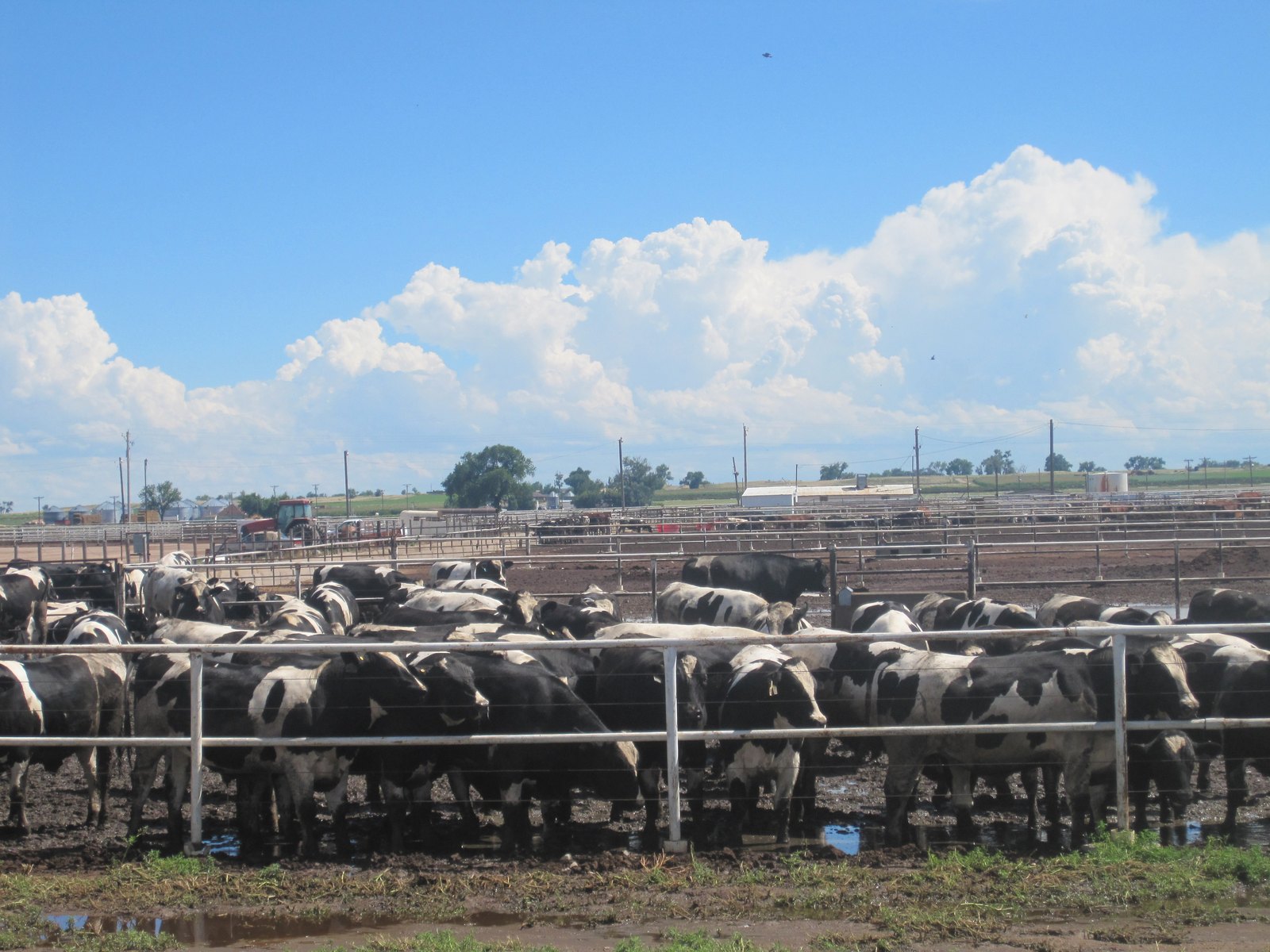
Live cattle already trade with the scarcity story in the price. Beef is expensive at the grocery case, farm-level cattle prices are still rising, and the U.S. herd entered 2026 at a generational low. The new question is narrower: does the larger May feedlot inventory mark the start of supply relief, or is it only cattle being held longer inside a tight system?
The distinction matters because beef is a slow-cycle commodity. A higher feedlot count can ease nearby slaughter if animals move through the chain. It does not rebuild a cow herd, produce a larger calf crop, or immediately reset retail prices. In 2026, the market is paying for scarcity. The investable gate is whether that scarcity begins to convert into throughput.
Six Anchors
- 86.2 million head: USDA NASS counted this many cattle and calves on U.S. farms as of January 1, 2026.[2]
- 27.6 million beef cows: the beef-cow herd was down 1% from a year earlier.[2]
- 32.9 million head: the 2025 U.S. calf crop was down 2% from the prior year, limiting the future feeder-cattle pool.[2]
- 11.6 million head: cattle on feed in 1,000-head-plus feedlots were 2% above a year earlier on May 1, 2026.[3]
- 1.64 million head: April fed-cattle marketings were 10% below 2025 even as placements rose.[3]
- 25.547 billion pounds: USDA ERS lowered its 2026 beef production forecast by 243 million pounds, implying a 1.8% decline from last year.[1]
Those numbers make the setup less contradictory than it first looks. The herd is small, the calf crop is smaller, and the pipeline is not empty. Feedlots can show more cattle while slaughter still slows if operators add weight and wait for better packer bids. That is a timing cushion, not a herd rebuild.
Base Case: High Prices, Slow Relief
The base case is that cattle prices stay supported but become harder to chase. USDA ERS says steer and heifer marketings have slowed below expectations because feedlots appear willing to add weight while awaiting higher bids from packers.[1] That explains why a larger feedlot inventory has not automatically translated into more beef. Animals are present, but the release valve is slower.
Retail also keeps the pressure visible. USDA's May Food Price Outlook says beef and veal prices rose 3.1% from March to April 2026 and were 14.8% higher than in April 2025. The same page forecasts beef and veal prices up 12.1% for 2026, with a wide uncertainty band.[4] That is the consumer-facing reason the cattle cycle now matters beyond ranching desks: the scarcity signal has migrated into household substitution decisions.
Imports are the pressure valve. ERS reported first-quarter beef imports of 1.709 billion pounds, up 15% year over year, and lifted its 2026 import forecast to 6.109 billion pounds, up 12% from 2025.[1] That helps, especially for lean processing beef. But it does not fully solve the domestic cattle-cycle problem. Imports can soften the grind and blend market; they cannot instantly replace a smaller U.S. calf crop or restore the breeding herd.
Upside Case: The Feedlot Count Is A Holding Pattern
The bullish case for cattle prices starts with April marketings. Placements were 1.70 million head, up 6% from 2025, but marketings were only 1.64 million head, down 10%.[3] That combination can lift feedlot inventory without proving easier beef supply. If feedlots keep holding cattle for weight and price, the market may read the May inventory as a false comfort signal.
The cow-herd side strengthens that case. NASS counted 27.6 million beef cows and a 32.9 million head calf crop; both were lower than the prior year.[2] ERS also notes that more heifers retained for breeding entering 2026 could further constrict calf supplies available for feedlot placement in late 2026 and the first half of 2027.[1] That is the cattle-cycle bind: herd rebuilding is bullish for future supply, but in the short run it can remove females from the slaughter and feedlot pipeline.
In this scenario, cash cattle and feeder prices keep finding support even if consumers trade down at the margin. Beef remains expensive, packers fight for animals, and imports stay high because the domestic system is short the right cattle at the right time. The upside trigger is visible: marketings stay slow, beef-cow numbers do not turn, and retail beef inflation cools only because consumers buy less expensive cuts rather than because wholesale supply loosens.
Downside Case: Throughput Finally Catches Up
The bearish case deserves respect because the feedlot data are not imaginary. May 1 feedlot inventory in large lots was above the prior year, and April placements rose.[3] If those animals move through slaughter more quickly in summer and fall, the market can lose some nearby scarcity premium even before the national herd grows.
Imports can add to that downside. ERS says March imports surged 19% year over year, with strong shipments from Brazil, Mexico, Australia, and Uruguay, and that weekly imports through April remained above a year earlier.[1] If domestic marketings accelerate at the same time imports remain historically high, retailers and processors get more negotiating room.
Demand is the other release valve. USDA's Food Price Outlook already shows beef and veal running far hotter than pork and poultry: pork was only 2.3% higher year over year in April, while poultry was 0.5% higher.[4] The longer beef holds a premium, the more likely some households and restaurants lean on chicken, pork, smaller portions, or cheaper beef formats. That does not rebuild supply, but it can cap how much of the farm-price move passes through.
Counterweight
The strongest counterweight to a bullish cattle view is that the market already knows the herd is small. Scarcity is not a secret when retail beef is up double digits and farm-level cattle prices are 17.7% above a year earlier.[4] A long cattle thesis that ignores valuation and substitution is late-cycle by definition.
The strongest counterweight to a bearish view is biological time. A cow retained today does not become beef supply tomorrow. Herd rebuilding can take years, and the first stage can tighten available slaughter and placement supply rather than loosen it. That is why the May feedlot inventory should be read as a throughput test, not a final answer.
Falsifier
The thesis fails if feedlot inventory turns into sustained marketings while retail pressure fades. Specifically, if the next few Cattle on Feed reports show stronger marketings, ERS stops cutting beef production, imports stay high, and beef-and-veal CPI slows without a clear demand shock, then the market has moved from scarcity pricing into supply normalization. In that case, the better trade is not to keep paying for a herd story everyone can already see.
Watchlist
- Monthly Cattle on Feed: placements are less important than whether marketings stop lagging.[3]
- Heifer retention and beef-cow counts: herd rebuilding is structurally constructive but can tighten near-term slaughter supply.[1][2]
- Import pace: high imports are the fastest relief valve for processors and retailers.[1]
- Retail substitution: beef-and-veal inflation versus pork and poultry is the demand-pressure gauge.[4]
The clean read is that cattle scarcity is real but no longer new. The next move depends on conversion. If feedlot animals move, imports stay heavy, and consumers trade down, the scarcity premium can compress. If the cow herd stays tight and marketings remain slow, the feedlot count is only a waiting room, not a rebuild.
Sources
- USDA Economic Research Service, Livestock, Dairy, and Poultry Outlook: May 2026 — beef production forecast, slower marketings, heifer-retention context, and import forecast.
- USDA National Agricultural Statistics Service, "United States cattle inventory down slightly" (January 30, 2026) — total inventory, beef cows, milk cows, calf crop, and all-cattle-on-feed figures.
- USDA National Agricultural Statistics Service, Cattle on Feed (May 22, 2026) — May 1 feedlot inventory, April placements, marketings, and disappearance.
- USDA Economic Research Service, "Food Price Outlook - Summary Findings" (updated May 22, 2026) — April 2026 beef-and-veal CPI, farm-level cattle prices, and 2026 forecasts.
- Wikimedia Commons, "Cattle Feedlot near Rocky Ford, CO IMG 5651.JPG" — ground-level cattle feedlot source image for the article cover.