An export quote that prices in a 99% duty refund can look more profitable than it is liquid. US duty drawback can restore much of an eligible import charge after goods leave the country, but the financing question is when the money arrives—and what obligations survive its arrival.[1][3]
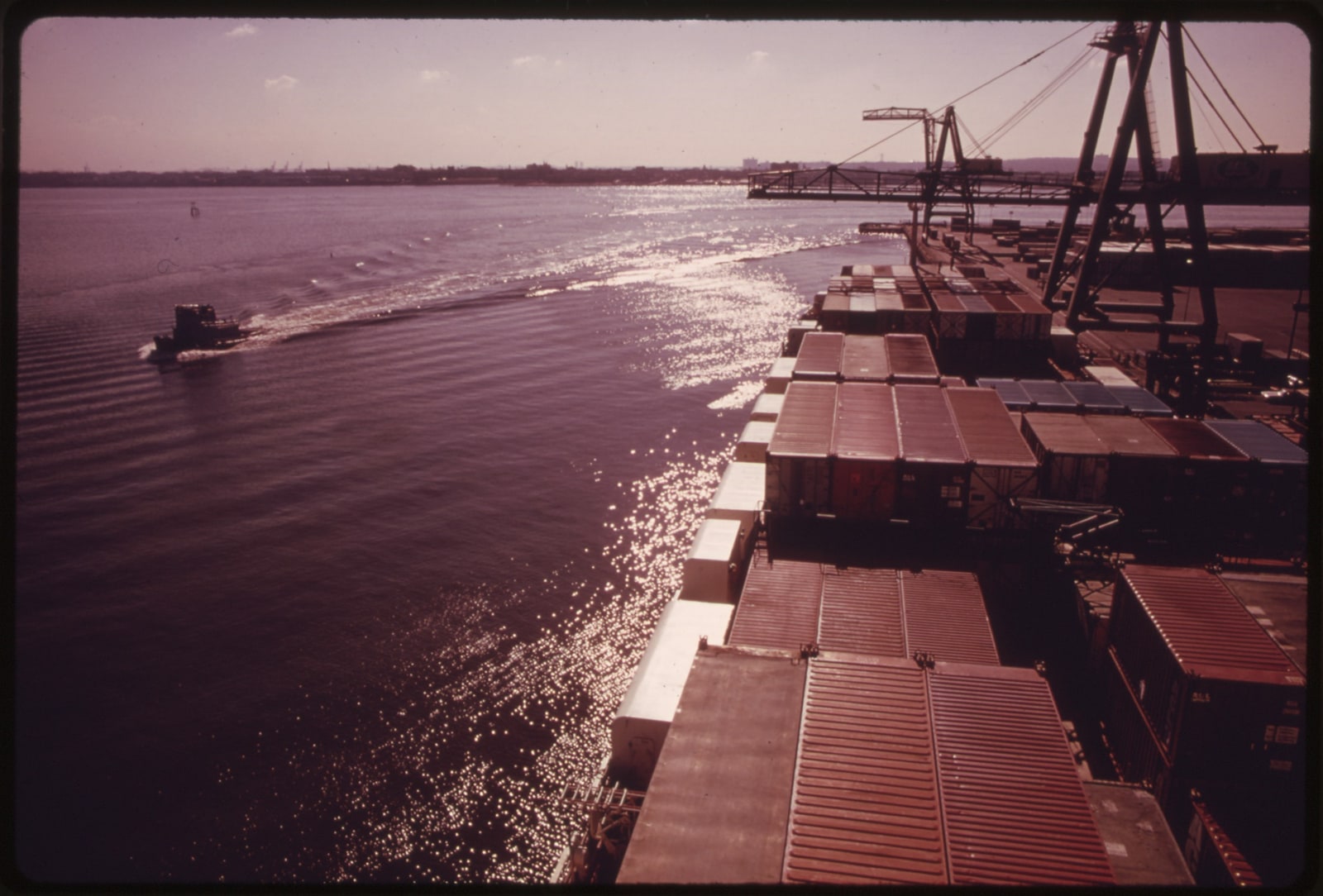
The shipment leaves before the money returns
Consider a hypothetical distributor that imports finished goods, holds them unused and later sells the same goods abroad. Assume the shipment and its ordinary customs duties qualify for direct-identification unused-merchandise drawback, all procedural requirements are met, and no special restriction reduces recovery. This deliberately narrow case avoids the separate complications of manufacturing and substitution claims.
If the distributor paid $100,000 in eligible duties, the maximum refund in this example is $99,000. The calculation follows the regulatory ceiling; it is not an estimate of a named company's recovery. The rule requires export or supervised destruction within the applicable period and excludes merchandise used in the United States, while allowing certain operations that do not count as use.[1]
That potential recovery changes the economics of the sale. It does not erase the original cash outflow. Between paying customs and receiving the refund, the distributor has funded the duties alongside the inventory, freight and other costs. A sales team can allow for the expected recovery when quoting a customer; a treasury team still needs to fund the interval.
The amount recoverable and the amount available to spend are therefore different quantities. More eligible export business can increase the future refund while also increasing today's funding requirement. Growth can make a successful program more demanding before it makes the bank balance larger.
The valuable asset is a complete claim
A container's departure is only part of the evidence. The claim rules require electronic submission, import information and evidence of export or destruction, together with applicable notices and other required data. They also require identifiers that connect the designated import and the export transaction to their supporting records.[2]
For a finance department, that makes the import entry, inventory records and shipping evidence parts of the same cash-recovery process. If the documents cannot be connected, a spreadsheet of exported goods is an opportunity estimate, not proof that the refund is ready for payment. The operational bottleneck may sit between departments rather than at the port.
The general deadline for a complete claim is five years from importation, subject to the regulation's exceptions and other applicable deadlines. It does not restart when the goods are exported.[2] An old inventory batch therefore brings an old clock with it. Waiting until the export sale to organize the evidence can leave less time than the sales ledger suggests.
Faster payment leaves a liability behind
Accelerated payment can shorten the wait. Under the applicable rule, an approved claimant can receive estimated drawback before liquidation—the customs process that settles the claim. Early payment does not itself constitute liquidation, and the application requires an explanation of the claimant's controls and recordkeeping.[3]
The financing benefit is concrete: money returned sooner can reduce the amount the business must carry elsewhere. But the bond deserves a place beside the refund forecast. CBP's bond guide sets continuous drawback coverage at 100% of estimated accelerated drawback claimed during the bond term. It also says a single-transaction bond must cover the full accelerated payment on the relevant entry.[4]
That percentage describes the bond's coverage, not a fee equal to the refund. The guide defines a bond as a contract protecting government revenue; it is not a quotation for the premium or collateral a particular surety might require.[4] A cash forecast that ignores the actual bonding terms is incomplete, but one that subtracts the entire face amount as an automatic cash expense is also wrong.
Outstanding accelerated claims can require additional coverage before further early payments are made.[3] For a growing exporter, bond capacity is consequently another input to the cash cycle. The merchandise may keep moving while the next refund waits for adequate security.
The bond does not make an overpayment the government's loss. Its conditions make the claimant and surety jointly and severally responsible for repaying excess accelerated drawback determined at liquidation.[5] Cash received is useful cash; it is not conclusive evidence that every dollar can be retained.
Where the attractive arithmetic breaks
The strongest counterweight to the caution is an efficient, repeatable program. If eligible imports and exports are documented as they happen, bond coverage stays sufficient and claims settle without material reductions, drawback can become a dependable source of working-capital recovery. The administrative conditions do not make the economic benefit imaginary.
Eligibility still comes before speed. The regulations expressly exclude antidumping and countervailing duties from drawback.[6] Those exclusions alone are enough to show why multiplying an undifferentiated customs bill by the headline refund percentage is unsound. The example above assumes eligible ordinary duties; it cannot be extended automatically to every charge on an import entry.
My interpretation is that drawback strengthens liquidity when reliable collections outweigh the costs and constraints of obtaining them. That thesis fails for a particular program if repayments, administration and financing costs consume the recoveries, or if the business cannot bridge the wait without disrupting operations. A rising claims balance by itself cannot establish success.
The next evidence should come from three concrete events:
- The next claim submission: reconcile the amount claimed to eligible duties and completed export evidence; identify import dates approaching the filing deadline.[2]
- The next bond renewal or coverage review: compare planned accelerated claims and outstanding exposure with available coverage and the actual surety terms.[3][4]
- The next liquidation of an accelerated claim: reconcile the final entitlement with the amount already received and any repayment demanded.[3][5]
Sources
- 19 CFR § 190.31, “Direct identification unused merchandise drawback,” via Cornell Legal Information Institute — eligibility, unused-merchandise boundary, export timing and the refund ceiling.
- 19 CFR § 190.51, “Completion of drawback claims,” paragraphs (a), (b) and (e), via Cornell Legal Information Institute — claim data, calculations and the deadline measured from importation.
- 19 CFR § 190.92, “Accelerated payment,” paragraphs (a), (b), (d) and (i), via Cornell Legal Information Institute — estimated payment before liquidation, application controls, bond sufficiency and settlement.
- US Customs and Border Protection, A Guide for the Public: How CBP Sets Bond Amounts, February 2024, definition 4.1 and sections 6.4.3–6.4.4 — the bond's purpose and drawback coverage amounts.
- 19 CFR § 113.65, “Repayment of erroneous drawback payment bond conditions,” paragraph (b), via Cornell Legal Information Institute — claimant and surety responsibility for overpayments.
- 19 CFR § 190.3, “Duties, taxes, and fees subject or not subject to drawback,” paragraphs (a) and (b), via Cornell Legal Information Institute — ordinary customs duties and the exclusion of antidumping and countervailing duties.
- Dan McCoy, “Containers on a dock at the Port of Newark, New Jersey await ships for transport to their destination,” March 1974; EPA DOCUMERICA, National Archives identifier 555270, via Wikimedia Commons — archival photograph and provenance.