A spreadsheet can travel a long way from the person who made it. Imagine finding one through an old laboratory website: the download works, but the author has moved, the column headings are cryptic, and nobody says whether this is the corrected copy. InvenioRDM is open-source software for building a research repository around those missing connections. It gives institutions a way to publish research objects with descriptions, identifiers and a managed history.[1]
The project is already familiar to many researchers through Zenodo, the CERN-hosted service built on it. Other institutions can run the application themselves. A recent example extends that reach: Research Information reported in June 2026 that UNESCO's new Open Science Platform uses a customized InvenioRDM implementation, initially concentrating on publications.[1][2] That makes the project worth meeting as software for an institutional collection, with a dataset as our guide to how it works.
First, describe what someone has found
The basic unit is a record: descriptive information, optionally accompanied by files, presented on a landing page. The documentation's starting point is New upload. A depositor selects files, supplies metadata and sets access conditions, then saves a draft that can be previewed and shared before publication.[3]
For our imaginary spreadsheet, the work might include a meaningful title, its creators, the collection date and an explanation of the measurements. A README could explain units and missing values. The useful question during deposit is whether another researcher could understand the material without emailing its author. The form provides a place to put that explanation; someone still has to write it.
Underneath, the metadata has a defined structure aligned with DataCite's schema. Fields such as metadata, files, access and pids have distinct jobs. Creator information can include an ORCID identifier, while affiliations can carry ROR identifiers. These make people and institutions identifiable beyond a spelling of their names.[4]
The separation also permits a public description with restricted files: access.record and access.files are independent settings. A visitor may learn that a dataset exists without being allowed to download it.[4] Choosing restrictions therefore belongs in the deposit workflow. A polished landing page says little by itself about who can retrieve the underlying material.
InvenioRDM can also support records containing metadata alone when the operator enables them.[3] For a reader, that is another reason to inspect the record carefully. An entry describing an object held elsewhere makes a different preservation promise from an entry that actually holds its files.
A correction has more than one route
Now imagine that the researchers discover an error in the spreadsheet. They want to publish a corrected dataset while allowing readers of the original paper to identify the earlier release.
The API exposes separate operations for editing an existing record and creating a version. POST /api/records/{id}/draft opens an editing draft; POST /api/records/{id}/versions creates a new version. A further operation can link files from the previous version into the new draft.[5] That distinction lets a repository represent an evolving research object through related releases.
Zenodo provides a concrete example of how citation fits this model. On first publication it registers a DOI for the specific version and another, called the concept DOI, for the family of versions. Each subsequent published version receives its own DOI. These are related identifiers, rather than a single identifier with a version number casually appended.[6]
For the imaginary paper, citing the version used in the analysis tells a later reader which release to inspect. Citing the family answers a broader question: which evolving research object is being discussed? The difference matters when a correction changes a result. A citation needs enough precision to connect the argument to its evidence.
There is an important qualification in current InvenioRDM. Version 14, released on August 7, 2026, introduced configurable modification of published files.[7] The detailed documentation says administrators can edit files by default; operators can additionally enable a policy for record owners. Its standard grace periods allow unlocking within 30 days of publication and publishing the correction within 45 days. Operators can change those periods or disable the feature.[8]
A version DOI identifies a release, but the repository's correction policy still governs changes within it. My reading is that a serious evaluation should examine both together. For substantial scientific revisions, retaining a distinct release makes the change easier to explain; for an accidental omission caught immediately, an institution may deliberately permit a bounded correction.
There are people behind the landing page
InvenioRDM also makes room for curators. A depositor can submit a draft to a community for review, and the draft remains private to the uploader and that community until acceptance. A published record can subsequently belong to multiple communities.[3] This gives an institution a place to organize review and collection membership around the material.
Acceptance establishes whatever that community checks. It does not, by itself, show that someone reproduced the analysis. For our spreadsheet, a repository team might check the description and permissions while a scientific collaborator checks the measurements. Defining those responsibilities is part of making the collection useful.
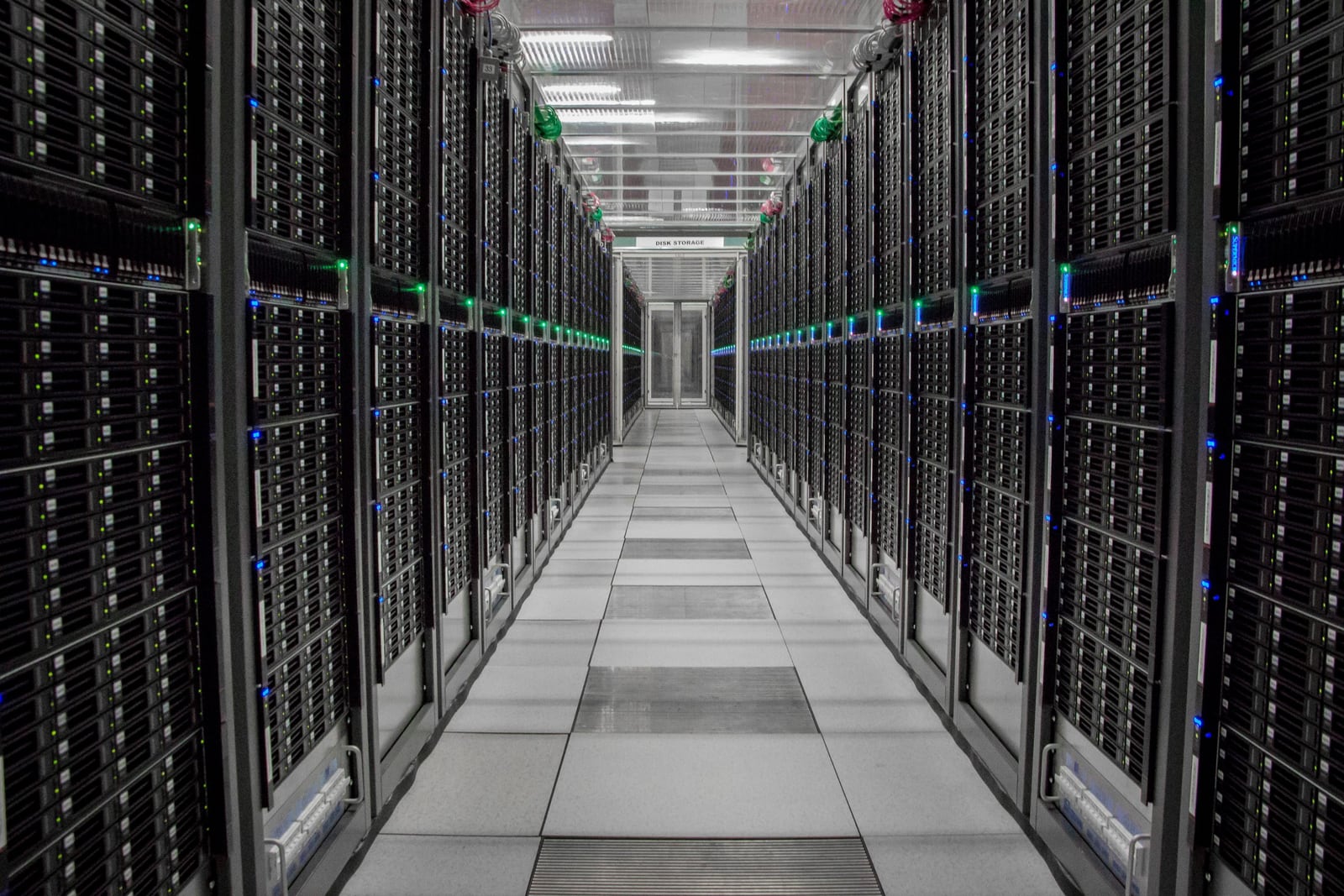
Zenodo's infrastructure description makes those responsibilities tangible. Its deployment uses PostgreSQL for metadata and persistent identifiers, OpenSearch for discovery, and EOS for file storage. It describes replicas, backups, checksums and separate development, quality-assurance and production systems.[9] These are operations performed around the repository application, with different components keeping different parts of the record available.
Installing the same software elsewhere does not reproduce CERN's service arrangements. An institution has to provide its own storage protection, monitoring, upgrades and support. InvenioRDM's value is that the application and its integrations are shared: the project grew partly from institutions attempting similar modifications to Zenodo's code without a convenient way to reuse one another's work.[1]
Meet it with one small deposit
For a library or research institute with a named service owner and reliable technical support, I would begin an evaluation with a disposable dataset in a test instance. Ask a researcher to describe it, a curator to review it and an unfamiliar colleague to retrieve the intended version. Include a correction in that exercise. It reveals whether the local policy and the software's behavior tell the same story.
A small lab without continuing operational capacity should first assess an existing repository service against its needs. Running an instance adds responsibility for the descriptions and identifiers as well as the files; a successful upload is only the beginning.[1][9]
Return to the spreadsheet on the old website. A useful repository should leave its next reader with an author, an explanation, a usable citation and a way to understand corrections. InvenioRDM supplies the machinery for maintaining those connections. The institution supplies the continuity that makes them worth trusting.
Sources
- Invenio, “InvenioRDM” — project purpose, distinction between the application and Zenodo, integrations, and origins.
- Research Information, “UNESCO launches open-source platform to advance global open science,” June 29, 2026 — independent reporting on the new deployment and its initial publication focus.
- InvenioRDM documentation, “Records” — deposit, metadata-only records, community review and collection membership; official documentation repository, checked October 24, 2026.
- InvenioRDM documentation, “Metadata reference” — record structure, creator identifiers and separate access controls; checked October 24, 2026.
- InvenioRDM documentation, “Drafts and Records” — API operations for editing, version creation and linking existing files; checked October 24, 2026.
- Zenodo, “What is DOI versioning?” — version and concept identifiers, and their relationships.
- Guillaume Viger, “InvenioRDM v14.0 released,” August 7, 2026 — release date and introduction of published-file modification.
- InvenioRDM documentation, “File modification” — administrator permissions, configurable owner policies and default grace periods; checked October 24, 2026.
- Zenodo, “Infrastructure” — service dependencies, metadata and file storage, checksums, backups and deployment environments.
- CERN, “Powering the future of data science at CERN,” June 17, 2026 — source and identification of the photograph of the Meyrin Data Centre in 2024.