As of 2026-10-18 10:33 UTC, Kenya's native tree seed strategy remains in development following Nairobi consultations on October 6–8. Organiser Botanic Gardens Conservation International (BGCI) published its account on October 15.[1]
The wider Right Tree, Right Place, Right Purpose–Seed project, or RTRP-Seed, addresses a practical restoration problem: obtaining suitable native seeds and seedlings in dependable quantities.[2]
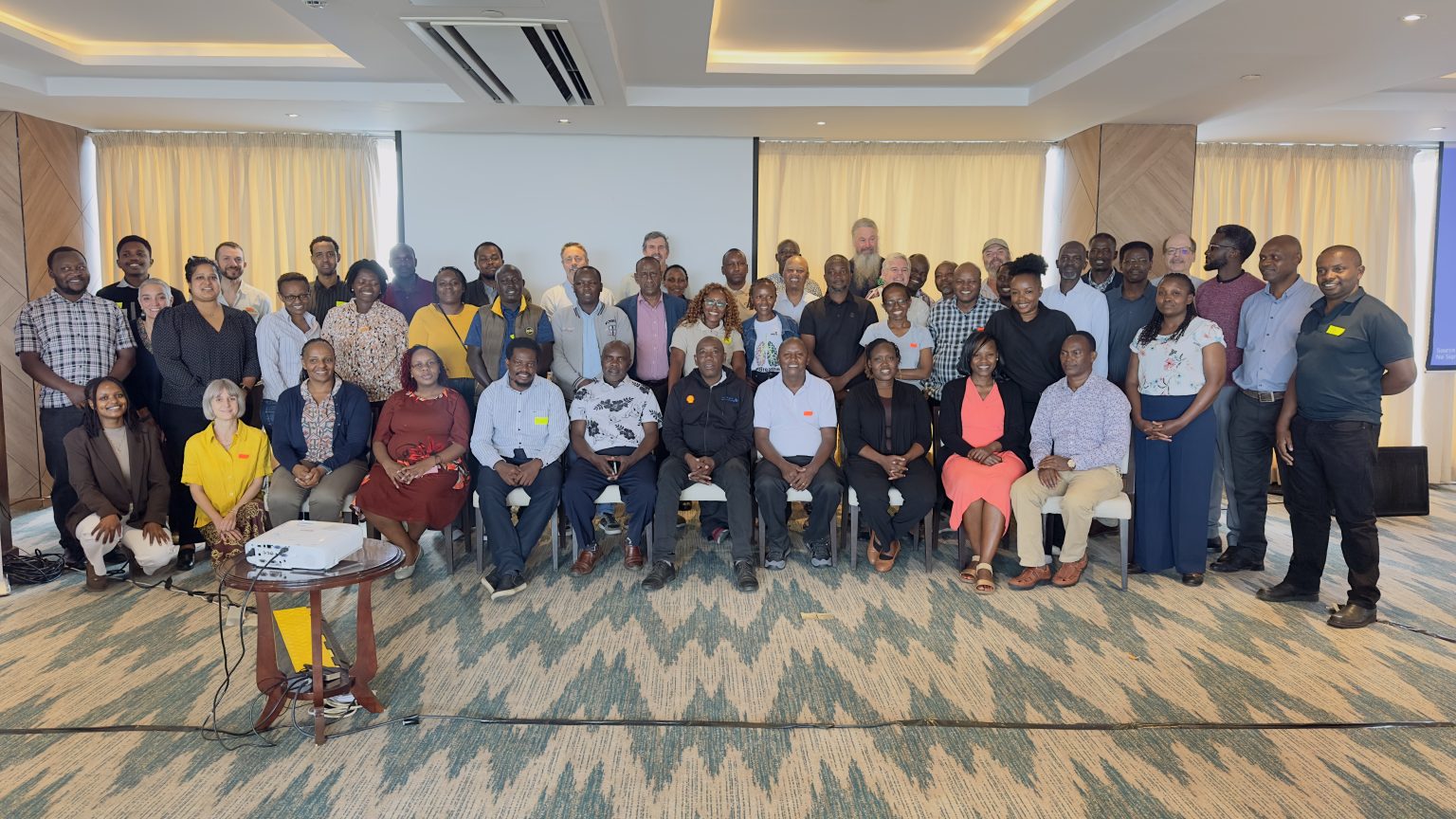
What the Nairobi meetings established
The meetings had different tasks:[1]
- October 6: 52 participants from 35 institutions examined supply and demand.
- October 7–8: 25 participants from 16 institutions worked on strategic priorities, implementation and monitoring.
The recommendations will inform further development. The report announces neither adoption nor a funded national delivery timetable; those remain separate milestones.[1]
The supply problem starts before the nursery
A 2023 study in Diversity examined native tree seed systems in Burkina Faso, Cameroon, Ghana and Kenya using an indicator framework. Fiona Giacomini and colleagues found substantial gaps, particularly in the policies and institutional support needed to make those systems function. They also identified insufficient involvement of local communities and a need for investment and training.[3]
That evidence helps explain why convening seed suppliers and tree growers matters. The study assessed the organisation of seed systems; it did not measure the results of this month's meetings. It provides a diagnosis against which future changes can be assessed, rather than proof that the latest consultation has solved the problem.[3]
RTRP-Seed's programme design follows the material through several hands. BGCI describes work on identifying suitable native species and seed sources, documenting collection localities and seasonal information, and improving collection, processing, storage and seedling production. Its role also includes botanical surveys and training for public institutions, commercial suppliers and extension providers.[2]
For a restoration buyer, the implication is straightforward: a species name on an order is only the beginning. Records and expertise must follow the material from its source to the nursery.
The German government's International Climate Initiative lists almost €20 million in funding for RTRP-Seed across Burkina Faso, Ethiopia, Kenya, Rwanda and Uganda. Its project description identifies nursery business models and institutional support as part of the response to limited native tree planting. That figure is the multinational project's funding, not a newly announced allocation to Kenya's proposed strategy.[4]
From a seed strategy to a living site
There is already related fieldwork to connect to the policy discussions. In an April 9 report, BGCI described a three-day restoration workshop involving Kenyan partners and Uganda's Tooro Botanical Garden. Participants examined site assessment, species combinations, monitoring and adaptive management, and visited a demonstration plot managed by Green Heart of Kenya. Partners were contributing to demonstration plots intended to develop practical approaches to using native trees.[5]
Those plots offer a way to ask a more demanding question than whether seedlings were delivered: how does a chosen mixture perform in the place being restored? BGCI's account describes a learning programme, without supplying comparative survival results.[5]
Kenya Forestry Research Institute's KEFRIApp addresses another part of that task. The institute describes a species-to-site matching tool alongside functions for recording planting and monitoring survival and mortality. It places the system within Kenya's broader ambition to restore 10.6 million hectares of degraded landscapes.[6]
The distinction matters for interpreting progress. A planting record establishes that an activity took place. Following survival adds information about what persisted. Neither, alone, establishes recovery of a diverse ecosystem. Connecting appropriate species, traceable seed and subsequent monitoring would make the strategy more useful to people who must decide what to grow and purchase.
The next test is delivery
For nursery operators, restoration organisations and funders, implementation is the practical test. The following paths are reporting scenarios, not official forecasts:
- Base case: consultation proceeds into a published strategy with named responsibilities; publication would provide the next benchmark.
- Upside: implementation plans connect those responsibilities to resources and documented seed sources, giving suppliers and buyers clearer arrangements to work with.
- Downside: responsibilities or financing remain unresolved, leaving a strategy document with little effect on available planting material.
Over the next 24 hours, the useful baseline is the organiser's account. During the next week, look for any released recommendations or draft. Over the next month, watch for a publication timetable and implementation commitments. These are review intervals, not promised deadlines.
- Check who will maintain seed source information and support participating suppliers.
- Look for measures of species availability and planting performance alongside activity totals.
- Revise this account if an adopted strategy or funded plan appears; either would supersede its description of the work as still in consultation.
Sources
- Botanic Gardens Conservation International, “Strengthening Kenya’s Native Tree Seed Systems” (October 15, 2026) — Nairobi consultations, participation and photograph.
- Botanic Gardens Conservation International, “The Right Tree in The Right Place for The Right Purpose (RTRP-Seed), Africa” — programme design and seed-supply activities.
- Fiona L. Giacomini and colleagues, “Seeding African Forest and Landscape Restoration: Evaluating Native Tree Seed Systems in Four African Countries,” Diversity 15(9), 981 (2023) — research article, PDF hosted by Semantic Scholar.
- International Climate Initiative, RTRP-Seed project record (updated October 2026) — multinational funding, countries and programme objectives.
- Botanic Gardens Conservation International, “RTRP-Seed Restoration Workshop” (April 9, 2026) — demonstration plots, site assessment and partner training.
- Kenya Forestry Research Institute, “KEFRIApp Species-to-Site Matching Tool” — species selection, restoration ambition and survival monitoring.