As of 2026-03-10T09:07:35Z (UTC), one of the most practical changes in shipping risk is that a large package of IMO amendments is now in force at the same time. The challenge for operators is not understanding one headline rule; it is coordinating multiple compliance workflows without breaking voyage reliability.[1]
This is why 2026 feels different: legal obligations that used to be tracked in separate teams now collide in daily operations, from bridge reporting discipline to bunkering documentation and training records.
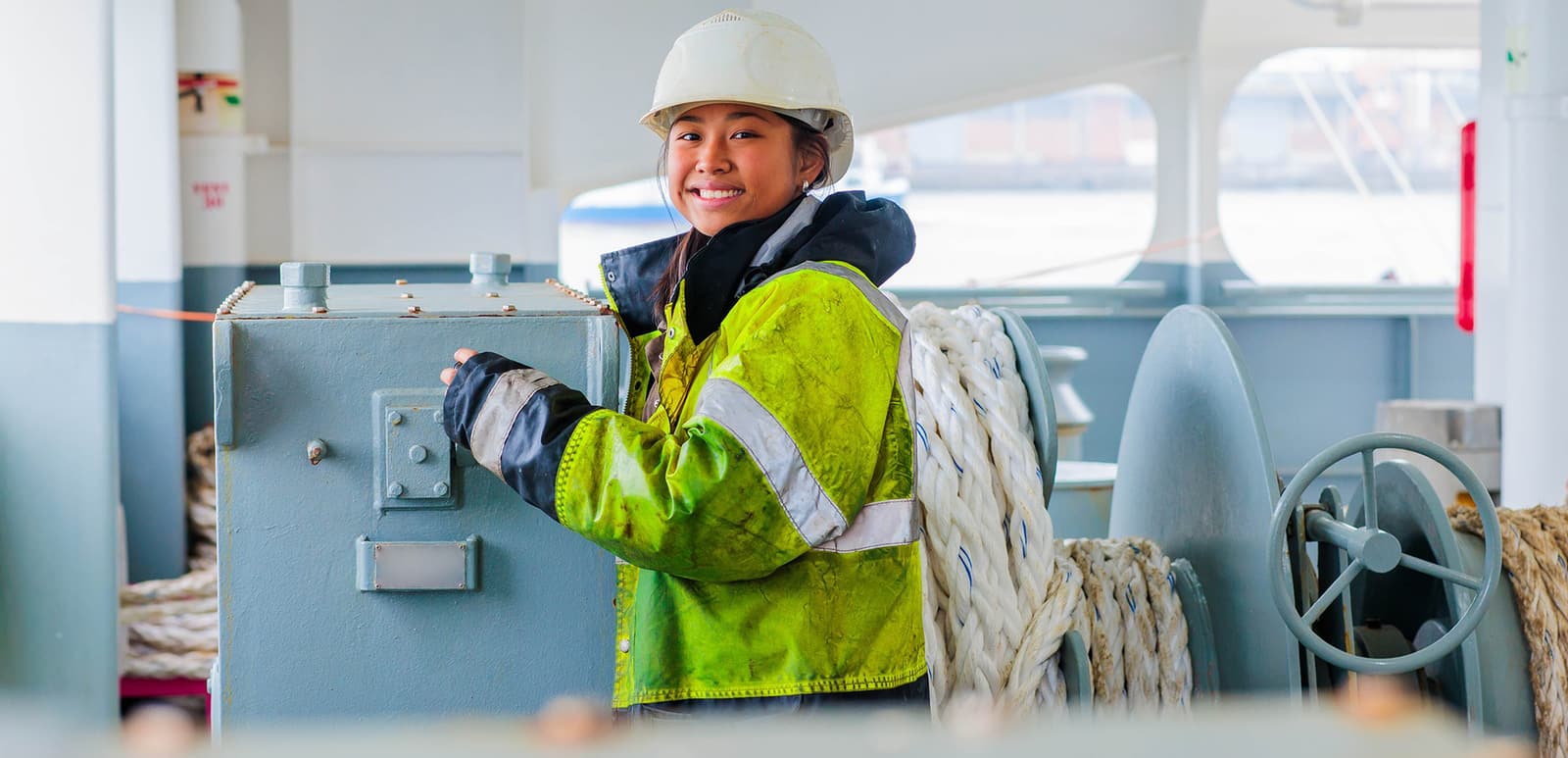
Image context: the header photo shows IMO headquarters in London as a governance cue, reinforcing that this article is about treaty-level rules now hitting ship-level execution.
What is now live in the 2026 baseline
According to IMO’s 1 January 2026 implementation brief, at least five changes immediately affect routine operations:[1]
- Mandatory reporting of lost containers under SOLAS/MARPOL-linked amendments, with required incident details and reporting paths to nearby ships, coastal states, and flag administrations.[1][2][3]
- Mandatory anti-harassment and anti-bullying competence elements in basic STCW social-responsibility training modules.[1][4]
- Fuel flashpoint conformity controls under SOLAS Chapter II-2, including supplier declarations tied to the 60°C flashpoint requirement.[1][2]
- Electronic inclinometers (or equivalent roll-motion means) for containerships and bulk carriers of 3,000 GT and above, for ships constructed on or after 1 January 2026.[1][2]
- Polar safety-scope extension to additional non-SOLAS vessel classes, including fishing vessels of 24 m+ and certain vessels of 300 GT+ operating in polar waters.[1][5]
A second-wave timing item is also material: IMO notes ECDIS S-100 family implementation starts on a voluntary basis for new installations from 2026 and becomes mandatory for all new ECDIS installations from 1 January 2029.[1]
Why this is an execution problem, not a legal memo
For most fleets, none of these lines is impossible on its own. The pressure comes from simultaneity and handoff quality:
- Container-loss reporting affects bridge procedures, company reporting trees, and shore-side incident management.
- Fuel flashpoint declarations shift risk into procurement and bunker quality controls before fuel is taken onboard.
- Training amendments demand auditable proof in crewing, learning-management systems, and onboarding cycles.
- Equipment thresholds and phased requirements add capex and survey-planning dependencies.
When those streams are not synchronized, operators can remain “formally compliant” on paper while accumulating avoidable delay, survey friction, or inspection exposure.
Numbers that should sit on the operator dashboard
A concise dashboard for 2026 should at least track these anchors:
- 1 January 2026: broad amendment package enters into force.[1]
- 60°C: SOLAS flashpoint conformity threshold for oil fuel supply declarations.[1][2]
- 3,000 GT+: inclinometer requirement threshold for new containerships and bulk carriers.[1][2]
- 24 m+ and 300 GT+: key vessel-size boundaries in the polar extension package.[1][5]
- 1 January 2029: mandatory date for all new ECDIS installations under revised standards.[1]
These numbers are decision anchors because they map directly to procurement checks, class/survey planning, training refresh windows, and newbuild specifications.
90-day watchlist for shipowners, managers, and charterers
- Port State / flag inspection pattern changes around documentation quality for fuel declarations and incident reporting completeness.[2][3]
- Crew-training evidence quality during audits: not only course completion, but role-relevant understanding of harassment and incident response pathways.[4]
- Newbuild and retrofit sequencing where inclinometer and other technical obligations intersect with yard and class bottlenecks.[2]
- Polar-route operators’ readiness for expanded voyage-planning and safety obligations in newly covered vessel categories.[5]
Bottom line
The 2026 IMO package should be read as an operating-system update for shipping compliance. Firms that treat it as a coordinated workflow redesign can convert rule complexity into fewer surprises. Firms that treat it as a document exercise risk finding out too late that the weak point was the handoff between teams, not the text of the rule itself.
Sources
- International Maritime Organization (IMO) — “Raft of shipping rules in force from 1 January 2026”
- IMO Resolution MSC.550(108) — Amendments to SOLAS Chapters II-2 and V
- IMO Resolution MEPC.384(81) — Amendments to MARPOL Protocol I (lost-container reporting linkage)
- IMO Resolution MSC.560(108) — Amendments to Part A of the STCW Code (training updates)
- IMO Resolution MSC.538(107) — Amendments to the Polar Code
- IMO Resolution MSC.562(108) — STCW-F Code
- Image source (IMO Media Centre): “Amendments 1 January 2026” photo asset