As of 2026-03-28 19:40 UTC, Washington's subscription-regulation file has moved out of the short-lived 2024 click-to-cancel compliance cycle and into a new comment cycle. The Federal Trade Commission published an advance notice of proposed rulemaking on 2026-03-13, with comments due 2026-04-13, asking whether the agency should keep the current Negative Option Rule, revive parts of the vacated 2024 rule, or pursue some other regulatory alternative.[1][2] For companies that sell memberships, software subscriptions, streaming bundles, home services, or continuity plans, that is an important reset. The broad 2024 rule is not back in force. The regulatory risk is back in force.
That distinction matters because the legal path changed twice before this March reopening. The FTC finalized a much broader negative-option rule in October 2024, with an effective date of 2025-01-14 and mandatory compliance for the core disclosure, consent, and cancellation sections by 2025-05-14.[7] The Commission then delayed that compliance date by 60 days to 2025-07-14.[4][5] Four business days before the new deadline, the U.S. Court of Appeals for the Eighth Circuit vacated the rule, holding that the Commission had failed to issue the preliminary regulatory analysis required for a rule with such a large economic effect.[6] On 2026-02-12, the FTC formally revised the Code of Federal Regulations to conform the negative-option rule to that court decision.[3]
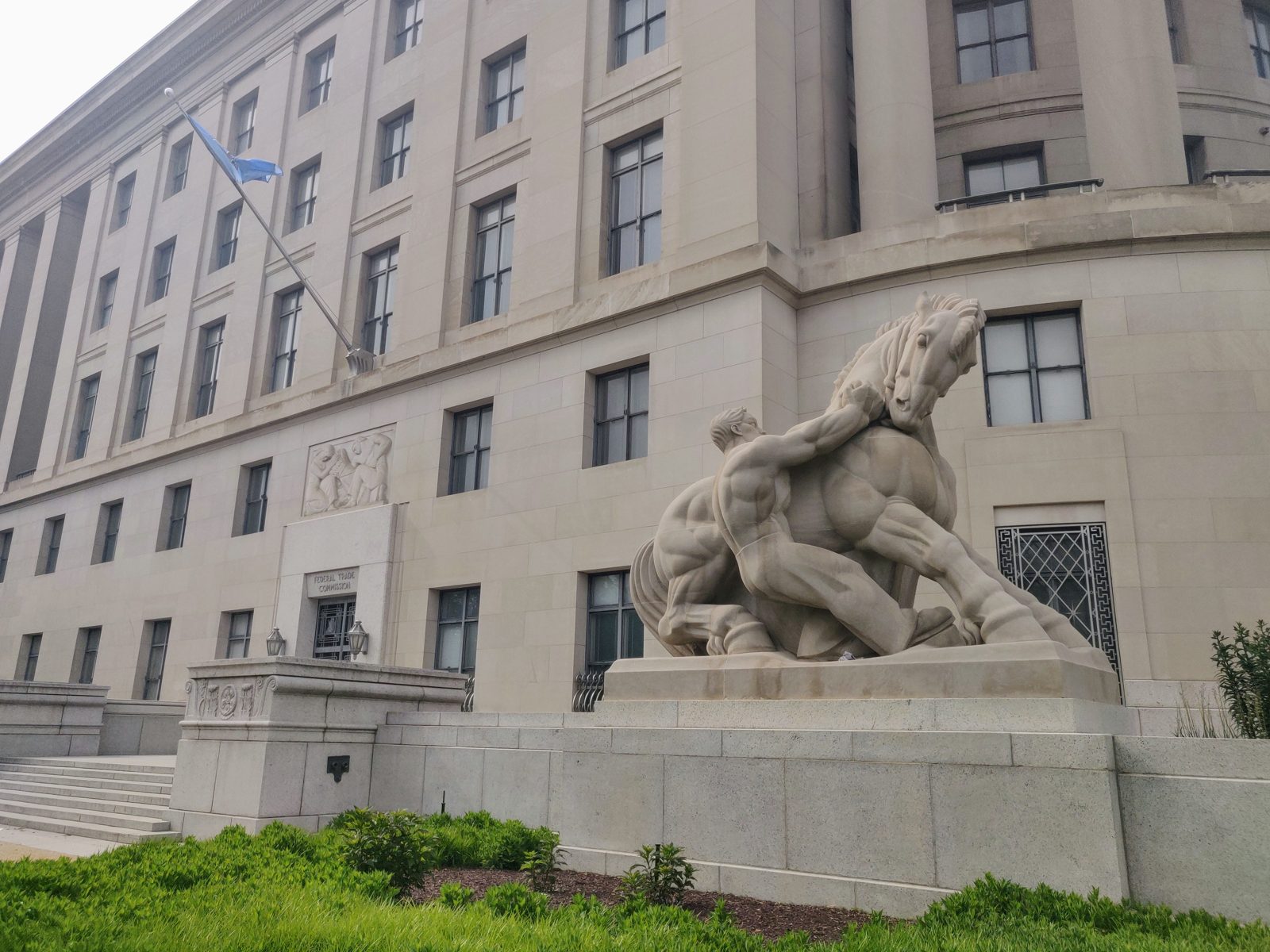
Image context: the header photo shows FTC headquarters in Washington because this story turns on administrative sequence and record-building, not on a courtroom scene or a generic subscription graphic.[8]
What changed between the 2024 rule and the March 2026 reset
The 2024 rule was written as a cross-market subscription framework. It retitled the old rule, expanded it to recurring subscriptions and other negative-option programs across media, and tried to standardize a simple cancellation obligation alongside disclosure and consent requirements.[7] Even after the FTC dropped some of the most contested ideas before finalization, such as an annual-reminder requirement, the final version still aimed to function as a general federal operating rule for recurring billing.[7]
The March 2026 reopening is materially narrower in legal posture. The Commission is back to an advance notice, not a final rule, and the current rule on the books is the older prenotification-focused rule that survived after the 2024 version was vacated and the CFR was conformed.[2][3] That means firms should not read the present moment as a stealth compliance date. They should read it as the point when the agency is deciding what kind of next record it wants.
The FTC's own March release makes clear how wide that inquiry is. The Commission says it continues to receive thousands of complaints a year, including more than 100,000 complaints in the past five years, and it asks for evidence on how negative-option programs operate, what specific practices block informed consent or deter cancellation, and whether the agency should retain the current rule, restore parts of the vacated 2024 framework, or use some other approach.[1] The Federal Register notice adds the practical questions behind that request: how consumers interpret offers, what cancellation methods firms actually use, whether annual reminders should return, and whether recordkeeping duties should be added.[1][2]
Why this is a real operating issue even without an active 2024 mandate
The easiest mistake here is binary thinking. Some companies will see the Eighth Circuit vacatur and conclude the FTC's subscription push is over. Others will see the March 2026 notice and behave as if the 2024 rule has quietly revived. Neither reading fits the source record.[1][2][3][6][7]
The better reading is procedural but useful. The Commission lost the 2024 rule on rulemaking process, not because subscription cancellation friction stopped mattering. The March 2026 file is the agency's chance to rebuild the evidentiary and economic record with a cleaner administrative sequence.[1][2][6] That is why the current window matters for legal teams, product teams, and operators who control billing flows. If the FTC comes back with a narrower proposal backed by better analysis, the most expensive work will not be inventing a compliance function from zero. It will be defending why current cancellation, disclosure, retention, and logging practices should or should not be rewritten.
Decision impact by horizon
Next 24 hours
Teams with recurring-revenue exposure should separate legal status from operational exposure. The 2024 rule is gone, so there is no reason to pretend a July 2025-style federal compliance deadline survived the court decision.[3][6] But this is exactly the right moment to inventory cancellation paths, renewal notices, consent capture, and retention scripts so the company can decide whether to comment credibly before April 13.[1][2]
Next 7 days
Management should decide whether this is a passive-monitoring issue or a file worth engaging. If subscriptions are material to revenue, the answer is usually engagement. The ANPRM is explicitly asking for market structure, cost, and operational evidence.[1][2] Firms that dislike the vacated 2024 framework have a live opportunity to argue for a narrower rule or a non-rule solution. Firms that already simplified cancellation may want to argue that certain practices can be standardized without importing the entire 2024 package.
Next 30 days
The main 30-day question is strategic, not clerical: what kind of next FTC proposal is most plausible? The current record supports three paths. A base case is a narrower proposal centered on disclosures, consent, and cancellation mechanics, because those are the problems the agency repeatedly flags.[1][2] An upside case for business is that the Commission uses the ANPRM mainly to gather evidence, then moves slowly or settles for modest amendments to the older rule. A downside case is that the FTC rebuilds much of the 2024 architecture, this time with stronger economic analysis and a better litigation posture.[1][2][6][7]
Scenario map
- Base: the FTC uses the comment file to draft a more tightly scoped proposal that keeps the cancellation and consent core but trims back what created the heaviest process objections in 2024.[1][2][6]
- Upside: the agency concludes that targeted amendments, guidance, or selective restoration of the vacated rule would solve most of the problem without relaunching the full 2024 framework.[1][2]
- Downside: the complaint record and comments persuade the Commission to try again on a broad cross-industry rule, adding the economic analysis the Eighth Circuit said was missing and reopening a much larger compliance buildout.[1][2][6][7]
Action checklist
- Freeze any assumption that the old 2024 deadline logic still governs. It does not.[3][6]
- Preserve internal evidence on cancellation pathways, consent capture, charge timing, and complaint handling before preparing a comment or an internal risk memo.[1][2]
- Decide whether the company wants to support limited amendments, oppose broad rulemaking, or advocate for a revived subset of the 2024 provisions.[1][2]
- Treat 2026-04-13 as the real current deadline, because that date shapes the next federal record even though it is not yet a compliance date.[2]
- Invalidate the current playbook if the Commission's next step indicates it is moving directly toward a broad notice of proposed rulemaking rather than a narrower rule repair.
The practical takeaway is narrower than the slogan "click to cancel" and more useful than pretending the whole issue disappeared with one court ruling. As of late March 2026, the FTC's subscription file is back in administrative construction. The broad 2024 rule is gone. The policy pressure behind it is not. What matters now is who uses the April comment window to shape what comes next.
Sources
- Federal Trade Commission, "FTC Seeks Public Comment in Response to Advance Notice of Proposed Rulemaking Regarding Negative Option Marketing Practices" (March 11, 2026).
- Federal Register, "Rule Concerning the Use of Prenotification Negative Option Plans" (published March 13, 2026; comments due April 13, 2026).
- Federal Trade Commission, "Revision of the Negative Option Rule, Withdrawal of the CARS Rule, Removal of the Non-Compete Rule To Conform These Rules to Federal Court Decisions" (February 12, 2026).
- Federal Trade Commission, "FTC Votes on Negative Option Rule Deadline" (May 9, 2025).
- Federal Trade Commission, "Statement of the Commission Regarding the Negative Option Rule" (May 2025 PDF).
- U.S. Court of Appeals for the Eighth Circuit, Custom Communications, Inc. v. FTC (July 8, 2025).
- Federal Register, "Negative Option Rule" final rule (published November 15, 2024; effective January 14, 2025).
- Wikimedia Commons, "Federal Trade Commission Building 2.jpg" (photo source for article image).