As of 2026-03-27T03:07:54Z (UTC), the Beijing Convention on the international effects of judicial sales of ships is no longer just a harmonization project on paper. It entered into force on 17 February 2026, creating a treaty-based recognition lane for certain judicial ship sales across State Parties.[1][2]
The commercial value of that change is easy to overstate if you read only the headline and miss the operating conditions. The Convention offers something the distressed-asset market has long wanted: a cleaner cross-border answer to whether a buyer really receives title free and clear of prior claims after a court-supervised sale. But the answer is available only when the treaty's gates are met, and in 2026 those gates are still narrow: party status, territorial presence of the vessel, clean completion of the notice-and-certificate workflow, and a still-limited map of ratifying states.[1][2][3][4]
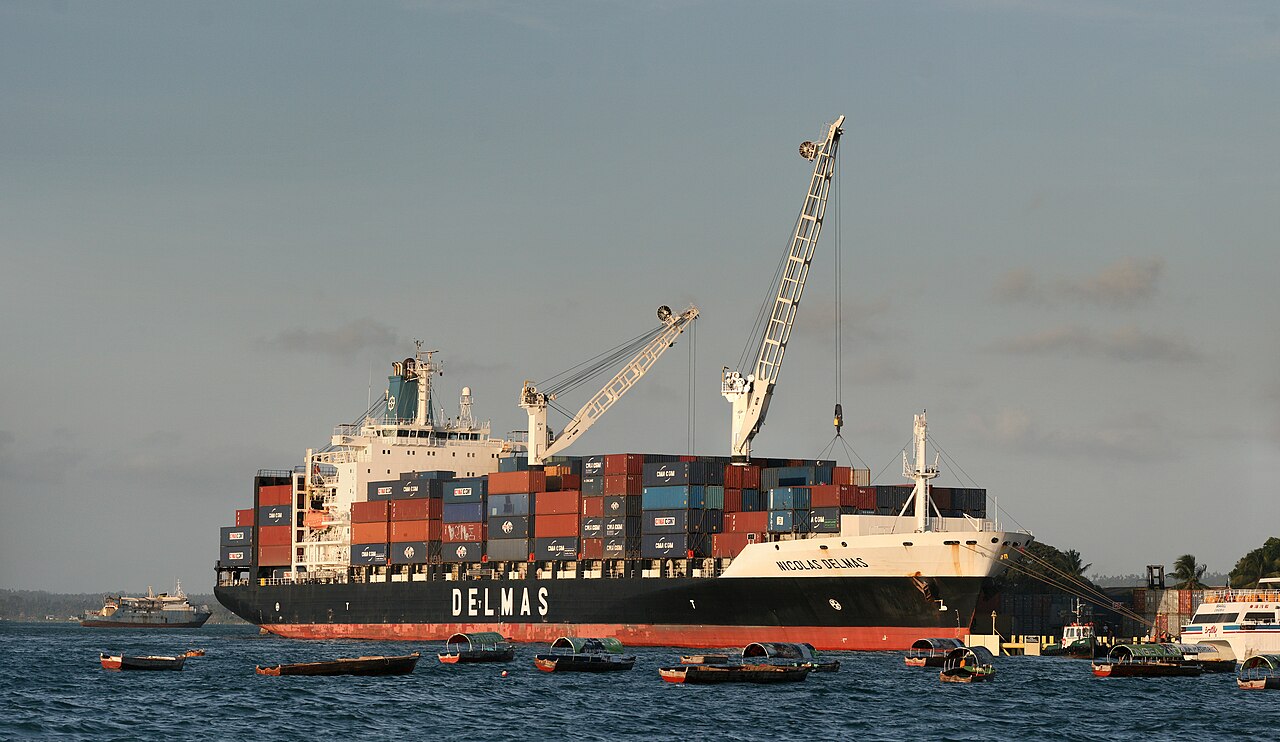
Image context: the header photo shows a container ship alongside berth, used here as a visual cue for the cross-border asset transfers the Convention is meant to stabilize.[6]
What changed on 17 February 2026
The Convention was adopted by the UN General Assembly in December 2022 and then moved through ratification until the third instrument triggered entry into force for Barbados, El Salvador, and Spain on 17 February 2026.[3][4][5] UNCITRAL's stated objective is practical rather than academic: reduce the legal uncertainty that can depress prices in judicial sales, protect buyers and creditors, and make ships easier to trade after a court-approved sale.[2][4]
At the center of the treaty is a strong but conditional promise. If a judicial sale is conducted in a State Party, the ship is physically within that State's territory at the time of sale, and the sale confers clean title under the law of the State of judicial sale, other States Parties are expected to recognize that effect.[1][2][4] The Convention is designed to support follow-through as well: recognition is tied to protection against arrest for pre-sale claims that were extinguished by the sale, and to deregistration or new registration steps that let the buyer use the vessel commercially instead of spending months relitigating title.[2][4]
Why the workflow matters more than the treaty headline
The Convention does not work through abstract goodwill. It works through documents and public notice. The State of judicial sale is expected to issue a notice of judicial sale and, after the sale, a certificate of judicial sale; the information is meant to be made publicly accessible through the dedicated IMO GISIS repository module.[1][2][4]
That detail is the real operating center of gravity. A buyer, registry, insurer, financier, or court in another State Party does not rely on a slogan such as "the Beijing Convention applies." They rely on whether the required documents exist, whether the sale fits the Convention's scope conditions, and whether the recognition request arrives with a record that foreign authorities can actually process.[1][2][4]
This is also where a lot of lazy commentary goes wrong. The treaty does not create universal global clean title. It creates a treaty-based recognition mechanism among States Parties, while leaving room for more favorable domestic rules where those already exist.[2][4] In practice, that means market participants still need a jurisdiction map, not just a treaty name.
The narrow part of the bridge in 2026
The immediate bottleneck is coverage. As of 2026-03-27 UTC, UNCITRAL's status page shows the Convention in force for only three States: Barbados, El Salvador, and Spain.[3] That is enough to make the regime real, but not enough to let ship buyers or lenders assume it will solve every cross-border enforcement or re-registration problem.
The decision sequence therefore becomes highly specific:
- Was the judicial sale ordered or approved in a State Party?
- Was the vessel physically in that State's territory when sold?
- Did the sale confer clean title under that State's law?
- Is the notice-and-certificate chain complete and retrievable for the foreign authority that must act next?[1][2][3][4]
If the answer to any of those is weak, the value of the treaty falls quickly. The Beijing Convention can raise certainty and sale proceeds, but only inside a lane defined by scope, paperwork, and ratification geography. Outside that lane, parties are pushed back toward the older world of local admiralty practice, registry discretion, and transaction discounts for legal uncertainty.[2][4]
Decision impact over the next 12 months
For buyers and mortgage lenders, the treaty should improve pricing discipline only where the recognition lane is actually usable. The right question is not whether the Convention exists; it is whether the sale venue, likely arrest venues, and registration jurisdictions line up with State-Party coverage.[2][3][4]
For admiralty lawyers and sale courts, the operational premium now sits on notice quality, certificate handling, and predictable repository publication. The legal theory is already in the treaty text; execution quality is what determines whether the first real-world cases feel streamlined or messy.[1][2][4]
For registries and ship managers, a new workflow now deserves a playbook: verify the sale packet, verify the State-Party chain, and prepare for deregistration or transfer steps without treating every judicial sale as if it begins from zero. That is where the Convention can actually save time.[2][4]
For shipowners under distress, sale-venue strategy becomes more important. A judicial sale in a State Party now has a stronger argument for downstream recognition than a sale outside the regime, but only if the vessel's location and the post-sale trading footprint make the treaty lane commercially useful.[2][3][4]
Bottom line
The Beijing Convention's entry into force is real maritime-law news because it converts a long-discussed treaty into an operating mechanism. But in 2026 it should be read as a narrow bridge, not a global highway. The strongest users over the next year will be the ones who treat it as a cross-border execution workflow built on state coverage, notice, certificates, and registry follow-through, rather than as a magic clean-title label that solves jurisdictional friction by itself.[1][2][3][4]
Sources
- International Maritime Organization (IMO), "IMO welcomes entry into force of the Beijing Convention" (17 February 2026).
- UNCITRAL, "United Nations Convention on the International Effects of Judicial Sales of Ships" overview page.
- UNCITRAL, treaty status page for the United Nations Convention on the International Effects of Judicial Sales of Ships.
- UNCITRAL, United Nations Convention on the International Effects of Judicial Sales of Ships (convention text PDF).
- UN Press, "General Assembly Adopts Over 100 Texts Recommended by Sixth Committee..." including the Convention on the International Effects of Judicial Sales of Ships (7 December 2022).
- Wikimedia Commons, "File: Container Ship.jpg".