As of 2026-03-12T08:39:11Z (UTC), the FDA’s food traceability rule under FSMA section 204 has moved out of planning mode and into operating mode. The compliance date for the final rule arrived on 2026-01-20. That changes the practical question. For affected companies, 2026 is no longer mainly about whether a traceability project exists on paper; it is about whether records for covered foods can be linked, explained, and produced fast enough when FDA asks for them.[1][2][4][5]
The operational center of gravity is easy to miss if teams reduce the rule to “put better codes on products.” The harder requirement is chain-level recall readiness: covered foods, critical tracking events, key data elements, traceability lot codes, a maintained traceability plan, and — when FDA needs outbreak or recall support — a 24-hour retrieval window that can escalate into a sortable electronic spreadsheet requirement.[1][3][4][5]
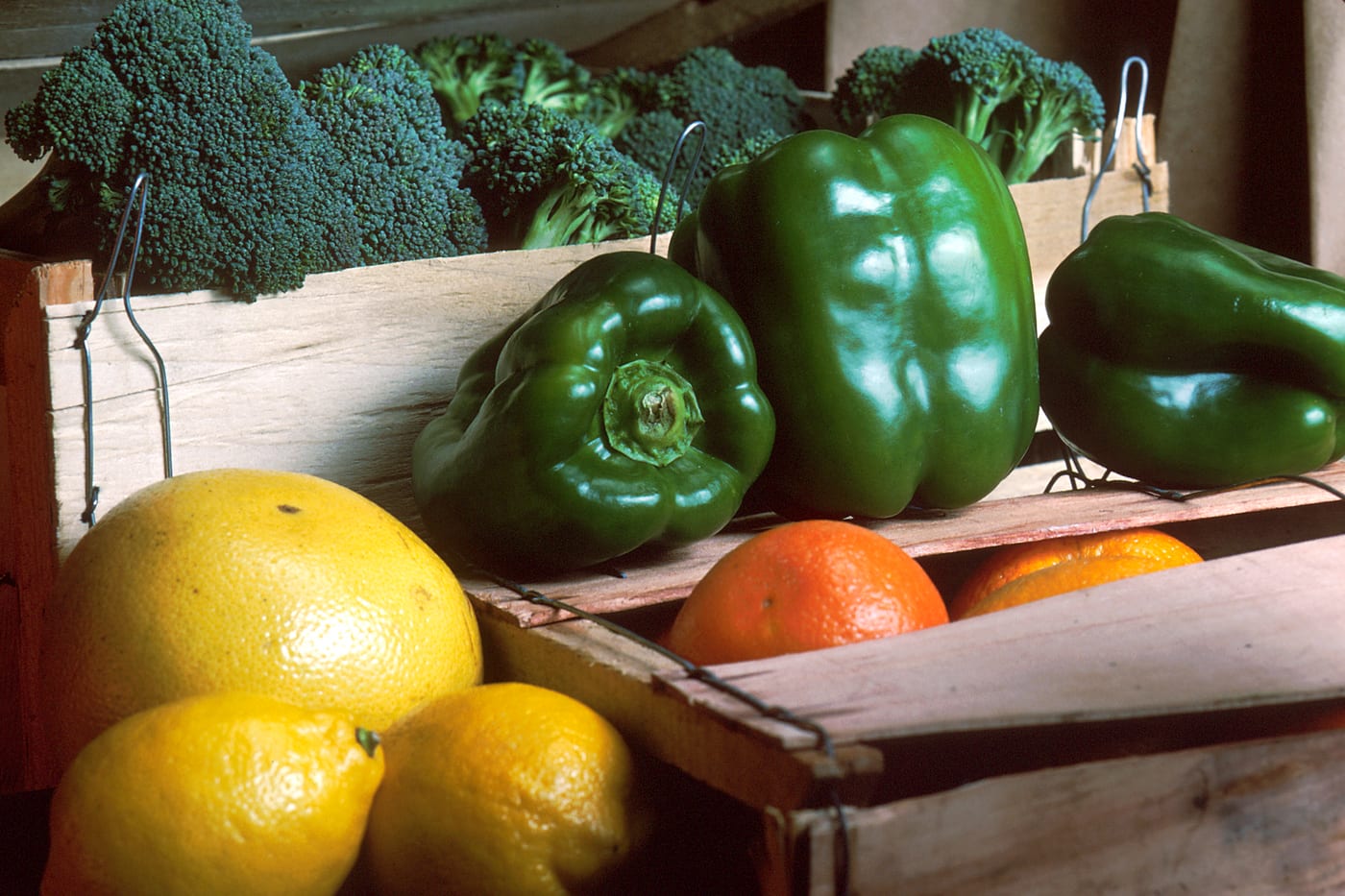
Image context: the hero photograph is a crate of fresh produce rather than an analytical diagram. That better matches FSMA 204’s operating reality: traceability succeeds or fails in ordinary lot labels, shipping handoffs, receiving records, and the ability to reconstruct the chain on FDA time rather than internal convenience time.
What actually came due
The first important boundary is scope. FSMA 204 does not impose the same new traceability burden on every food. The rule applies to foods on the Food Traceability List (FTL), with carve-outs and partial exemptions for some producers, processors, restaurants, and kill-step situations.[1][3][6]
The second boundary is timing. FDA published the final rule in November 2022, set an effective date of 2023-01-20, and gave industry until 2026-01-20 to comply.[2] That means the March 2026 conversation is no longer about future readiness. It is about whether current operating records would survive a real traceback request.
The third boundary is what the rule actually asks firms to keep. FDA’s framework is built around critical tracking events (CTEs) and key data elements (KDEs) — harvesting, initial packing, shipping, receiving, transformation, and related event types depending on the supply-chain role.[1][2] Companies do not merely need a final label state; they need a linked event history that can follow a covered food through the points where its compliance identity changes hands.
Why the 24-hour clock matters more than the barcode discussion
A lot of implementation talk still centers on barcodes, QR codes, and software upgrades. Those can help, but the rule’s operational stress point sits elsewhere.
Under 21 CFR 1.1455, firms subject to the rule must make required records available to an authorized FDA representative within 24 hours of request, along with whatever context is needed to understand the records — coding systems, abbreviations, cross-references, and related explanations.[4] When FDA needs the information to address an outbreak, recall, or similar public-health threat, traceability information covered by the CTE/KDE sections must generally be provided in an electronic sortable spreadsheet, subject to limited size-based exceptions.[4]
That is why 2026 should be read as a response-time test, not a labeling test. A company can have modern scanners and still fail the moment if:
- covered-food scope is misclassified,
- lot identity is reassigned inconsistently,
- shipping and receiving records live in separate systems,
- the traceability plan does not tell investigators where the records actually sit.
Where operators are most likely to underestimate friction
1) Treating the rule as “one more data field” instead of a record-linkage regime
The rule is not satisfied by attaching a nicer identifier while leaving process breaks untouched. FDA’s structure requires event-specific records that stay tied to the relevant traceability lot through the chain.[1][2][4] If the organization can identify a lot but cannot reconstruct its upstream and downstream event trail quickly, the visible code did not solve the real problem.
2) Forgetting that the traceability plan is an operating map, not a binder artifact
Under 21 CFR 1.1315, the traceability plan must describe how required records are maintained, where they live, how FTL foods are identified, how lot codes are assigned where applicable, and who the point of contact is.[5] That sounds administrative until a traceback request arrives. Then it becomes the map investigators and internal responders rely on to find the right records without improvisation.
3) Overlooking the scope edge cases
Many teams will discover that their hardest conversations are not about core warehouse workflows but about exemptions, partial exemptions, and written-agreement logic around kill steps, commingling, direct farm sales, or small-entity thresholds.[3] The practical risk is not merely over-compliance cost. It is inconsistent handling across business units, which can turn a legally narrow rule into a messy internal standard with gaps at the seams.
4) Assuming existing records are enough without retrieval discipline
The rule does allow firms to use existing business records rather than duplicate everything from scratch.[4] That flexibility is useful, but it creates a new failure mode: records technically exist, yet they are scattered across ERP exports, supplier PDFs, warehouse systems, carrier data, and email-held exceptions. In 2026 the performance question is whether those pieces can be assembled into one defensible packet inside FDA’s clock.
What a serious March 2026 operating check looks like
For operators dealing with FTL foods, a realistic near-term checklist is not complicated, but it is specific:
- Reconfirm scope: which SKUs, ingredients, or transformed outputs are actually on the FTL, and which exemptions or partial exemptions apply.[1][3][6]
- Test lot continuity: can the business follow one traceability lot through shipping, receiving, and transformation without manual guesswork?[1][2]
- Open the traceability plan like an incident runbook: does it still reflect current systems, owners, and storage locations?[5]
- Run a 24-hour drill: ask one team to retrieve records and another team to explain them in plain English to a regulator or recall coordinator.[4]
- Prebuild spreadsheet logic: do not wait for a real outbreak request to discover field-mapping gaps, naming conflicts, or unreadable exports.[4]
What the 24-hour response packet should already contain
If a team wants a cleaner readiness test than “can we probably pull this later,” build the response packet in advance and see whether it survives handoff. In practice, the packet should already have five pieces ready to travel together:
- one scope answer: which covered food, lot, or shipment the request touches, and why it sits inside the rule;
- one lot narrative: the upstream and downstream CTE chain in plain language, not just system codes;
- one record export set: the KDE records tied to shipping, receiving, transformation, or other relevant events;
- one decoding key: abbreviations, code crosswalks, internal location names, and any spreadsheet field explanations FDA would need to read the file correctly;
- one owner list: the traceability-plan contact path and the internal responders who can answer follow-up questions quickly.[4][5]
That packet mindset matters because the weak point in many programs is not record existence. It is the last-mile join between records, explanations, and accountable humans.
The strategic takeaway
The rule’s deeper implication is cultural. FSMA 204 shifts food traceability from a compliance-document mindset toward an operational-readiness mindset. The winning organizations in 2026 are unlikely to be the ones with the flashiest interface. They are the ones that can answer a traceback question quickly, with linked evidence, clear lot logic, and minimal argument over where the truth lives.
If there is one sentence worth keeping, it is this: the real 2026 threshold is not whether a company collected more data, but whether it can turn traceability records into regulator-ready evidence inside 24 hours.
Sources
- FDA, FSMA Final Rule on Requirements for Additional Traceability Records for Certain Foods
- Federal Register, Requirements for Additional Traceability Records for Certain Foods (87 FR 70910; published 2022-11-21)
- eCFR, 21 CFR Part 1 Subpart S — Additional Traceability Records for Certain Foods
- eCFR, 21 CFR 1.1455 — How must records required by this subpart be maintained and made available?
- eCFR, 21 CFR 1.1315 — What traceability plan must I have for foods on the Food Traceability List that I manufacture, process, pack, or hold?
- FDA, Food Traceability List