As of 2026-03-12 00:05 UTC, the EU Carbon Border Adjustment Mechanism is no longer mainly a transition-period reporting exercise. The practical shift is that 2026 turns CBAM into a live importer-execution problem: authorization status, threshold tracking, certificate cost pass-through, and emissions-data readiness now sit on the critical path.
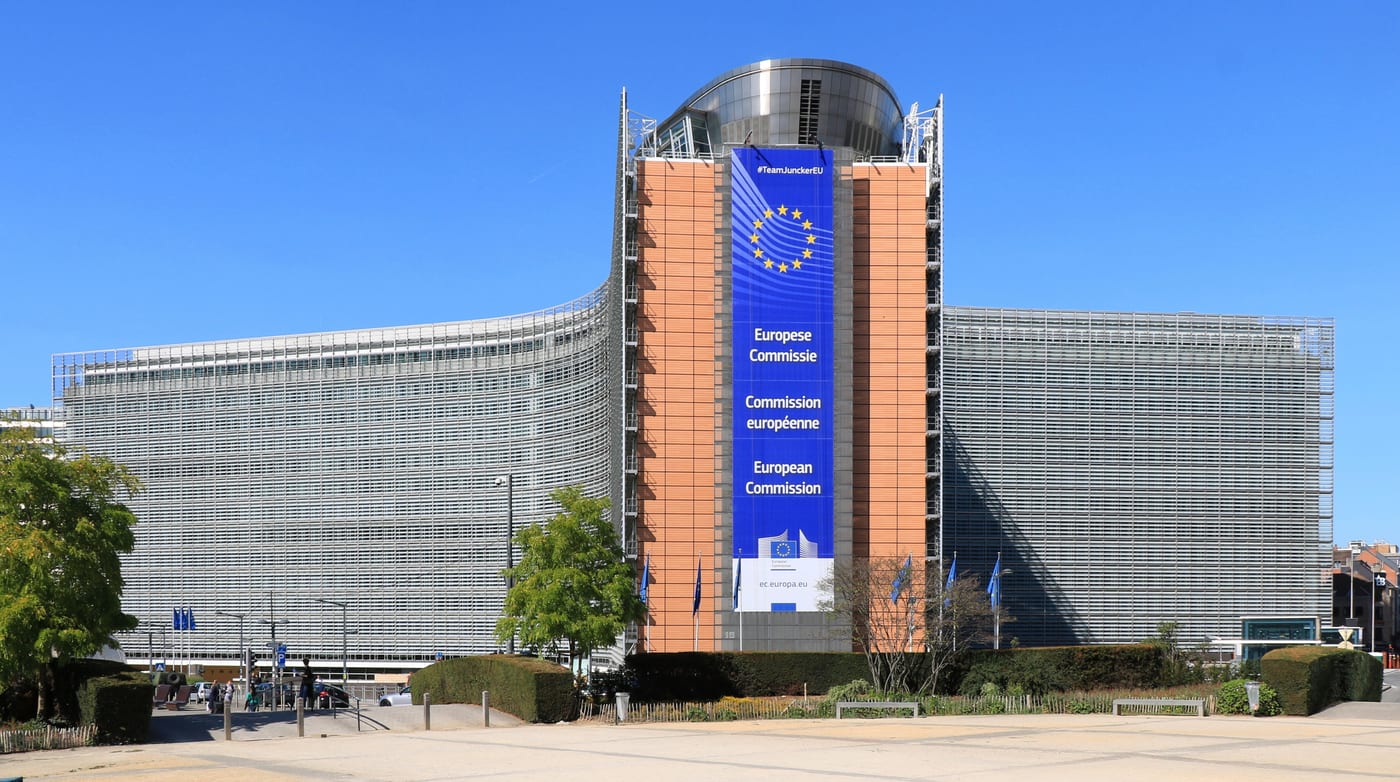
Image context: the hero photograph shows the European Commission’s Berlaymont building in Brussels, a better fit for the 2026 CBAM brief than the older analytical graphic because the article’s practical failure point now sits in customs authorization, Commission registry infrastructure, and importer data discipline.
What changed
- The definitive CBAM regime started on 1 January 2026.
- Importers above the new 50-ton annual mass threshold for covered goods need to move into the authorized-declarant workflow, and customs now validate that status before release for free circulation.[1][2]
- CBAM certificate pricing is now tied to the EU ETS auction price, averaged quarterly in 2026 and weekly from 2027.
- The first annual declaration cycle will cover 2026 imports, which means 2026 operational records now determine 2027 compliance quality.
Why operators should care now
The near-term trap is treating CBAM as a legal-text issue instead of a customs-and-data issue. By the time certificate cost, importer status, and embedded-emissions documentation are all in motion, weak process design becomes expensive.
For many firms, the immediate work is not “learning what CBAM is.” It is:
- checking whether import volumes will cross the threshold,
- confirming authorized-declarant timing,
- mapping who owns emissions evidence,
- making sure customs, procurement, and finance are using the same operating assumptions.
What matters most in 2026
- Threshold awareness: the operational question is cumulative importer exposure, not one shipment viewed in isolation.
- Authorization timing: if imports are likely to exceed the threshold, waiting too long to organize declarant status can compress execution.
- Cost translation: CBAM certificate economics now connect carbon exposure to imported-goods cost structure more directly.
- Data quality: embedded-emissions evidence is no longer a background reporting issue; it becomes part of compliance reliability.
Who can stay calmer, and who cannot
- Lower immediate pressure: firms clearly below the 50-ton annual mass threshold for covered goods have less near-term customs friction, but only after confirming product scope and cumulative importer totals rather than assuming a single shipment tells the story.[1][2][5]
- Higher immediate pressure: firms already near the threshold, using multiple customs actors, or still assembling supplier-emissions evidence should treat 2026 as a live control year, because customs validation and annual-declaration quality are now linked much earlier in the operating chain.[1][2]
Where teams get caught
The weak point is usually not legal interpretation. It is record design. Four mistakes keep showing up in importer workflows:
- Threshold logic tied to shipments instead of importer totals: teams look at single consignments and miss that the 50-ton trigger is annual and importer-level.[1][5]
- Authorization handled too late in the customs chain: the Commission is already urging above-threshold importers to apply for authorized-declarant status as soon as possible, which is a clue that waiting until year-end is the wrong operating rhythm.[1]
- Emissions evidence separated from finance data: certificate surrender, carbon-price deductions, and product-level records only work cleanly when customs, procurement, and finance share one field spine.[1][4]
- 2026 treated as rehearsal instead of production data capture: the first annual declaration arrives in 2027, but it will be built from 2026 imports.[1][2]
What the customs gate changed in practice
The January 2026 Commission update is useful because it shows CBAM is already running as a customs control, not just a climate ledger. The Commission says customs now validate CBAM authorisations before release for free circulation and monitor the 50-ton threshold inside the import flow itself.[2] That moves the failure point forward. If the CBAM account number, application reference, or importer attribution is messy, the problem surfaces at the border instead of months later in a reporting file.
That changes the managerial rhythm. The threshold may screen out many smaller importers, but for firms above the line the real work starts earlier than finance teams often expect. Authorisation, emissions evidence, customs data, and importer identity now have to agree while goods are moving, not only when the annual declaration is assembled.
Two numbers that prove this is already live
The Commission’s first-week rollout figures are already enough to kill the idea that 2026 is a soft rehearsal. By 7 January 2026, more than 12,000 economic operators had submitted CBAM authorisation applications and more than 4,100 had already obtained authorized-declarant status.[2] From 1 January to 7 January 2026, customs systems automatically validated 10,483 CBAM import declarations in real time.[2]
Those numbers matter for one reason: they show the mechanism is already operational at the border layer. Once validation, threshold monitoring, and registry data are wired into customs clearance, poor importer data stops being a documentation nuisance and starts becoming a throughput problem.
24h / 7d / 30d implications
24h
- Identify whether your organization imports covered goods that may breach the 50-ton threshold in 2026.
7d
- Check whether authorized-declarant responsibility is clearly owned and whether customs + sustainability + finance are working from the same assumptions.
30d
- Build a product/importer-level field list for CBAM records and test where source-data gaps still exist.
Sources
- European Commission — CBAM overview
- European Commission — CBAM entered into force on 1 January 2026
- Regulation (EU) 2023/1542
- BSI summary of 2026–2027 transition timing
- European Commission — Questions and Answers on CBAM definitive regime and authorized declarants