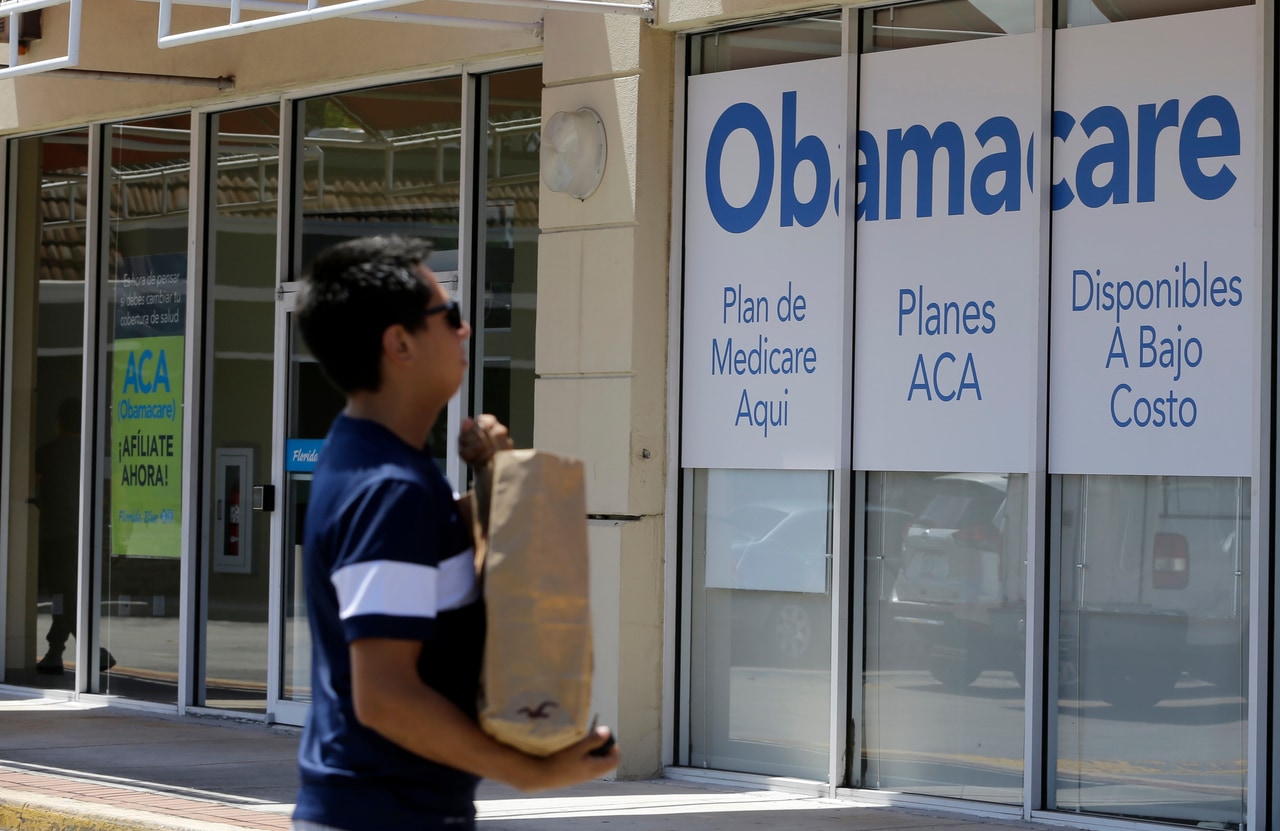
As of 2026-06-29 09:37 UTC, the Affordable Care Act enrollment story has moved from warning to observed damage. Associated Press reported that new federal figures show about 3 million fewer people had active ACA Marketplace coverage in February 2026 than in February 2025, a drop from 22.1 million to 19.2 million.[1]
The explainer version is this: do not read the number as one clean verdict. The Department of Health and Human Services pointed to anti-fraud and "phantom" enrollment cleanup; health-policy analysts pointed to the January 1 expiration of enhanced premium tax credits and the resulting out-of-pocket shock.[1] Both mechanisms can operate at once. The policy question now is how much of the decline is administrative cleanup, how much is real household coverage loss, and whether the next open-enrollment cycle begins with a smaller, sicker, and more price-sensitive risk pool.
Fact File
| Signal | What is known now | Confidence note |
|---|---|---|
| Active coverage drop | AP, summarizing the new HHS report, says active ACA enrollment was 19.2 million in February 2026, down from 22.1 million a year earlier.[1] | High for the reported federal snapshot; unsettled for cause attribution. |
| Earlier plan-selection baseline | CMS reported 22,973,219 Marketplace plan selections during the 2026 open-enrollment period, including 15.8 million through HealthCare.gov and 7.2 million through state-based exchanges.[2] | High for plan selections; CMS explicitly distinguishes selections from effectuated coverage. |
| Net premium shock | KFF estimates that expiration of enhanced premium tax credits would more than double average Marketplace premium payments, by 114%, or about $1,016 per year.[3] | High for KFF's estimate; household effects vary by age, income, county, plan choice, and state aid. |
| Gross premium pressure | Peterson-KFF found that early 2026 insurer filings in Vermont, Oregon, Washington, and DC included an average additional 4 percentage-point premium effect tied to the expected expiration of enhanced credits.[4] | Medium; useful directional evidence from filings, but not a full national rate review. |
| Coverage-loss modeling | KFF, using Wakely estimates, said average effectuated ACA Marketplace enrollment could fall to about 17.5 million in 2026, with a low-end estimate of 16.5 million, down from 22.3 million in 2025.[5] | Medium-high as a model estimate; the live AP/HHS figures are now an observed check against projections. |
Why The February Number Is Not The Same As January Sign-Ups
ACA enrollment has two clocks. The first is plan selection: a person picks or is auto-reenrolled into a Marketplace plan during open enrollment. The second is effectuated coverage: the person actually keeps coverage in force, usually by paying the required premium. CMS's January snapshot counted plan selections; the February figures AP reports are closer to the active-coverage reality after payment, cancellation, and cleanup effects begin to land.[1][2]
That distinction is the whole story. A big January number can still deteriorate if consumers see a larger bill, miss the first payment, lose a zero-premium option, fail income verification, or drop coverage because the plan no longer feels affordable. It can also fall if regulators or marketplaces remove duplicate, fraudulent, or non-paying enrollments. A serious read has to hold both possibilities without letting either become an all-purpose explanation.
The enhanced credits matter because they did more than lower prices at the margin. They capped premium contributions more generously for lower-income enrollees and made assistance available above the old 400% of poverty cliff. When those credits expired, some households moved from a negligible monthly premium to a real bill, while others lost financial help entirely.[3] The result is not only fewer sign-ups; it is a filter on who can afford to stay.
The Fraud-Cleanup Claim And The Affordability Claim Can Both Be True
HHS's reported emphasis on anti-fraud cleanup should not be dismissed. Marketplace integrity matters. If brokers submitted applications without meaningful consumer consent, if people were enrolled in plans they did not understand, or if inactive records were counted as coverage, cleaning those files improves the data and protects consumers.[1]
But the timing makes an affordability explanation hard to avoid. The AP report ties the drop to the first months after the January 1 subsidy expiration, while KFF's estimates show exactly the kind of premium increase that would make people leave coverage even if they wanted insurance.[1][3] Peterson-KFF's insurer-filing review adds the risk-pool mechanism: if healthier or more price-sensitive enrollees exit first, gross premiums can rise for the people who remain, making the next year's rates harder to hold down.[4]
The uncertain item is the split. How much of the 2.9 million-person decline reflects cleaned-up phantom enrollment? How much reflects real people who intended to keep insurance but could not carry the new premium? The policy response should depend on that answer. Fraud cleanup calls for broker oversight, consent verification, and marketplace data controls. Affordability loss calls for subsidy design, state wraparound help, outreach, and insurer-rate scrutiny. Treating one as the entire explanation risks fixing the wrong system.
Decision Impact
Next 24 hours: consumers who lost coverage need to know whether they still have a special-enrollment route, Medicaid or CHIP eligibility, a state exchange option, or a lower-cost plan available. The article is not enough for household decisions; people should verify status through HealthCare.gov, their state exchange, or a licensed assister because coverage status and payment grace periods are individual facts.[2][3]
Next 7 days: state marketplaces, insurance departments, navigators, and brokers should separate three lists: people removed for eligibility or fraud reasons, people who selected but never effectuated coverage, and people who paid initially but lapsed after seeing the full premium. Those groups need different interventions. A fraud list is not an outreach list. A premium-lapse list is not a prosecution file.
Next 30 days: the next test is rate-review and policy positioning. If insurers price 2027 plans as if the 2026 pool is smaller and less healthy, the premium shock can become self-reinforcing. If Congress or states revive some version of enhanced assistance, marketplaces will need to explain the new price surface early enough that households do not treat one bad bill as the final word on coverage.[3][4][5]
Scenarios
Base case: the decline is mixed. Some records were fraudulent or inactive, but a meaningful share of real households also left coverage after premium payments rose. Enrollment stabilizes below the 2025 peak, rate filings include risk-pool caution, and states with extra subsidies or stronger assister networks show less attrition.[1][3][4]
Upside case: further data show that most of the drop was cleanup of non-consented or non-paying enrollment, while marketplace retention among verified consumers holds up better than the headline suggests. The trigger would be detailed HHS or state-exchange reporting that separates fraud removals, non-payment cancellations, voluntary lapses, and Medicaid transitions.[1][2]
Downside case: the February decline keeps widening through the year toward the lower enrollment path analysts warned about, insurers respond with larger 2027 rate requests, and healthier enrollees leave first. The warning signs would be rising non-payment cancellations, rate filings citing worse morbidity, and exchange reports showing losses concentrated among people who had previously qualified for very low monthly premiums.[3][4][5]
Action Checklist
- Do not compare January plan selections with February active coverage as if they measure the same thing. One is a shopping-window count; the other is closer to who stayed covered.[1][2]
- Mark cause attribution as uncertain until HHS or state exchanges publish a clean breakdown of fraud removals, non-payment lapses, voluntary terminations, and eligibility transitions.[1]
- Watch insurer rate filings for explicit language about enhanced-credit expiration, morbidity assumptions, and expected disenrollment.[4]
- For households, verify current coverage, premium due, grace-period status, and eligibility for Medicaid, CHIP, state subsidies, or special enrollment through official exchange channels.[2][3]
- For policymakers, keep fraud control and affordability policy separate enough that one does not become an excuse to ignore the other.
The main invalidation condition is a detailed official reconciliation showing that the February drop was overwhelmingly administrative cleanup and that verified, premium-paying households have not lost coverage at scale. Until that evidence arrives, the safer reading is that the ACA market has entered a premium-shock test: the same policy change that raised household bills may also be reshaping the risk pool before the next enrollment season starts.
Sources
- Ali Swenson, Associated Press, "Millions drop Obamacare health coverage after subsidies expire and costs rise" (June 27, 2026) - current HHS enrollment-drop reporting, competing attribution claims, KFF analyst context, and AP file photograph.
- Centers for Medicare & Medicaid Services, "Marketplace 2026 Open Enrollment Period Report: National Snapshot" - plan-selection counts by exchange platform, new/returning consumer split, and CMS glossary note that selections are not the same as effectuated enrollment.
- KFF, "How Much More Would People Pay in Premiums if the ACA's Enhanced Premium Tax Credits Expire?" (updated January 21, 2026) - 2026 premium calculator, expiration mechanics, and average premium-payment increase estimate.
- Peterson-KFF Health System Tracker, "Early indications of the impact of the enhanced premium tax credit expiration on 2026 Marketplace premiums" (June 3, 2025) - insurer filing evidence on gross premium effects, risk-pool assumptions, and early state-rate-review signals.
- KFF, "What We Know So Far About 2026 ACA Marketplace Enrollment, Premiums, and Deductibles" (May 19, 2026) - plan-selection, premium-payment, deductible, and effectuated-enrollment indicators after enhanced-credit expiration.