As of November 16, 2026, 06:35 UTC.
Kazakhstan’s Tanbaly rock-art landscape is receiving new conservation support through UNESCO and the Netherlands Funds-in-Trust. A November 9 announcement describes seed funding for technical skills, preservation and monitoring, following an early-November meeting on implementation. Digital management, conservation records and visitor facilities are on the agenda; the announcement gives no grant amount or delivery timetable.[1]
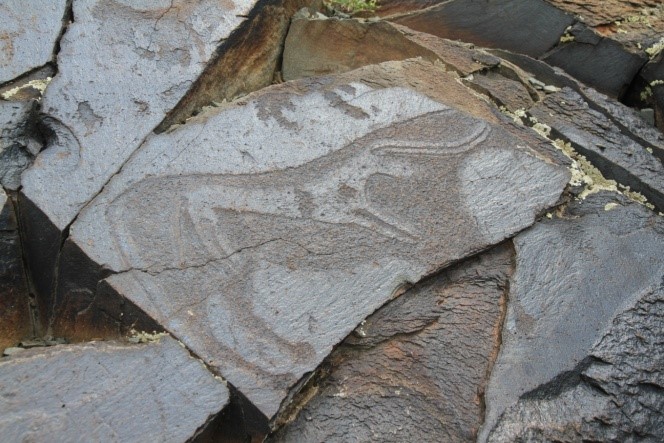
The site contains roughly 5,000 petroglyphs spread across 48 complexes, alongside settlements and burial grounds. Inscribed on the World Heritage List in 2004, Tanbaly preserves evidence of pastoral communities from the Bronze Age into the early twentieth century. Its exposed stone surfaces are both the exhibition space and the material at risk.[2]
What is confirmed
- November 9, UNESCO: the conservation and development project was approved in 2026. This establishes support and planning, without demonstrating completed work.[1]
- May 21, the reserve-museum: quarterly monitoring was already underway, assessing archaeological condition, environmental change and human impacts. The new project therefore enters an existing programme.[3]
- Evidence still missing: the announcement supplies neither site-specific visitor totals nor measurements of recent deterioration. Its references to growing tourism in Kazakhstan and harsher climatic conditions should not be converted into a quantified damage claim for Tanbaly.[1]
The rock behind the record
Tanbaly’s conservation problem is physical. Water enters cracks in bedrock whose layers run parallel to the surface, making engraved faces vulnerable to peeling away. Large daily and seasonal temperature changes intensify the deterioration. UNESCO’s site assessment also identifies uncontrolled visits and graffiti as threats.[2]
These concerns predate the new grant. The 2004 ICOMOS evaluation recorded conservation work begun in 1990 to reduce water entering cracks, then halted for lack of finance. It also described preventive measures already introduced: guards, barriers against vehicles and paths directing visitors away from carved rocks. Those are historical findings, not a description of today’s staffing or access arrangements.[4]
The continuity matters. A digital record can preserve evidence of a carving and make successive observations easier to compare. The practical test is whether that evidence helps staff decide where inspection or treatment is needed. Buying a recording system alone would leave the older problem of sustaining conservation unresolved.
The museum’s description of Group IV shows what careful documentation has to respect. Its celebrated composition includes Bronze Age sun-headed figures, with additions from later periods. Elsewhere, the museum records images renewed or supplemented over time.[5] A useful condition record must distinguish that inherited layering from new damage. Treating every alteration as recent deterioration would misread the object being protected.
What to watch next
For conservators and heritage funders, the immediate question is how the new work connects to the quarterly assessments already reported by the museum.[3] Comparable records, clear responsibility for reviewing them and follow-up on vulnerable surfaces would make the investment easier to assess. These are proposed tests of delivery, not features confirmed in the announcement.
The base case is a period of implementation planning and training, with improvements demonstrated through subsequent reporting. An upside would be a published work plan linking repeated condition surveys to funded conservation and carefully managed access. A downside would be equipment or visitor upgrades proceeding without the staff time and maintenance needed to keep monitoring useful. The trigger for concern would be a disclosed plan that omits those recurring commitments—not simply the absence of an immediate update.
Readers following the project can use three checks:
- Next 24 hours: distinguish project approval from completed conservation when sharing the news.
- Next seven days: check UNESCO and museum updates for a named work programme, budget or schedule; a repeated announcement is not a new milestone.
- Next 30 days: look for the connection between documentation and work on the site. Revise the assessment if a detailed plan changes the scope, or if published results establish what has actually been completed.
Tanbaly already has people observing its rocks. The new support will be most consequential if it helps them turn those observations into sustained care.
Sources
- UNESCO, “UNESCO and NFiT Support Conservation Project at Tanbaly World Heritage Site,” November 9, 2026—project approval, seed funding and implementation discussions. The historical paragraph conflicts with the inscription record; the date used here follows source 2.
- UNESCO World Heritage Centre, “Petroglyphs of the Archaeological Landscape of Tanbaly”—2004 inscription, site extent, chronology and physical conservation threats.
- Tanbaly Museum-Reserve, “Monitoring of Petroglyphs and the Archaeological Landscape of the Tanbaly Museum-Reserve,” May 21, 2026—quarterly monitoring and the conditions assessed.
- ICOMOS, “Tamgaly (Kazakhstan), No 1145,” 2004 evaluation, printed pages 44–45—earlier water-control work, financing interruptions and preventive visitor measures.
- Tanbaly Museum-Reserve, “Petroglyphs”—Group IV’s layered imagery and later additions to rock-art complexes.