As of 2026-04-19 01:05 UTC, Section 702 of the Foreign Intelligence Surveillance Act has not been settled. It has only been carried forward to April 30, 2026. President Donald Trump signed H.R. 8322 on Saturday, April 18, after the House and Senate fell back to a short extension in the final days before the prior authority was due to lapse on Monday, April 20.[1][2][3]
That distinction matters because the operational and political questions have now split apart. The stopgap preserved continuity for intelligence agencies that use Section 702 to collect foreign intelligence on non-U.S. persons located abroad.[1][4] But it did not answer the question that broke the House this week: whether Congress wants another relatively clean renewal of the authority or a reauthorization tied to stronger privacy protections around Americans' communications and related surveillance practices.[2][3][5]
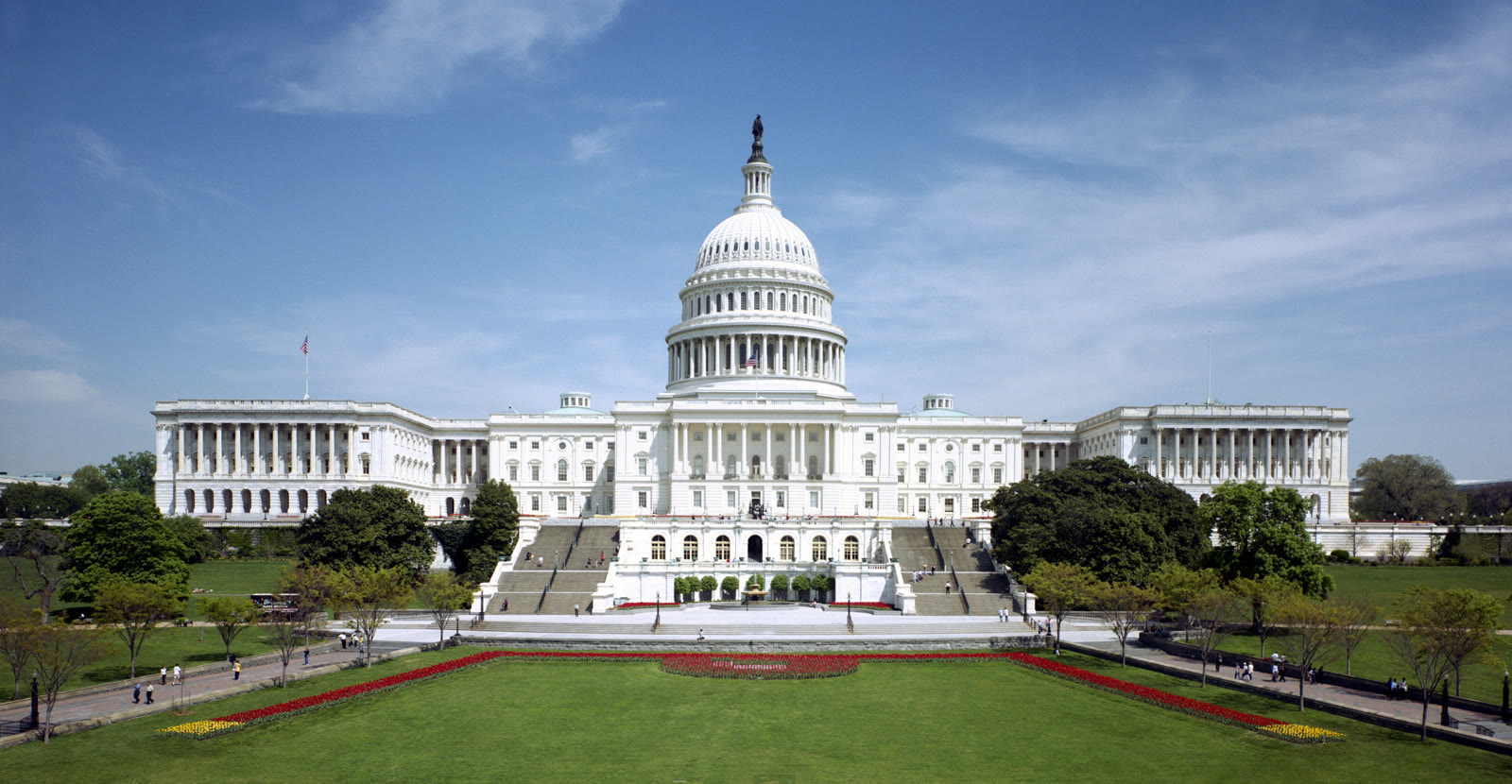
Image context: the cover shows the west front of the U.S. Capitol. It fits this article because the immediate drama is institutional rather than visual. The live issue is whether congressional leaders can turn a ten-day legal bridge into a durable rulebook before the new deadline arrives.[6]
Fast facts
- Signed into law: the White House said Trump signed H.R. 8322 on April 18, 2026.[1]
- Immediate effect: the new law extends Title VII FISA authorities only until April 30, 2026, not for a full multi-month or multi-year term.[1][2]
- How Congress got there: AP reported the House and Senate resorted to the short extension after longer renewal options collapsed in the House, with both chambers clearing the stopgap by expedited procedure.[2][3]
- What Section 702 covers: ODNI describes it as a foreign-intelligence authority focused on foreigners located outside the United States.[4]
- Why the fight continues: reform advocates are still pushing alternatives that would add stronger Fourth Amendment-style protections and curb government access to Americans' private data through looser channels.[5]
What changed this weekend
The key change is legal continuity, not policy resolution. Before the stopgap cleared, Congress was on course to hit the April 20 sunset without a replacement. By the end of April 18, that immediate lapse risk had been pushed back ten days.[1][2][3]
That sounds procedural, but in this file procedure is substance. A sunset would have forced the intelligence community and Congress into a much more disorderly fight over continuity and restoration. The short bill avoided that cliff. At the same time, it also exposed how little agreement exists on the terms of a longer deal. Leaders could not hold the House together for either a cleaner extension favored by the White House and some Republican leadership figures or a more heavily conditioned rewrite that civil-liberties-minded lawmakers want.[2][3][5]
So the most accurate reading of the weekend is narrow. Congress bought itself time. It did not produce a durable Section 702 consensus.
Why April 30 is now the real deadline
The first deadline was about avoiding a lapse. The second deadline is about deciding what kind of authority Congress is willing to own. ODNI's public materials make the national-security case in straightforward terms: Section 702 is framed as a tool for gathering intelligence on foreigners abroad, and supporters treat that foreign-targeting logic as the central justification for a continued program.[4]
The reform camp is arguing on a different axis. Its point is not that foreign intelligence collection has no value. Its point is that the existing structure still leaves too much room for Americans' data to be touched, queried, or obtained without a tighter legal boundary. One concrete marker of that lane is the bipartisan Government Surveillance Reform Act introduced by Senator Mike Lee and Senator Ron Wyden, which presents reauthorization and stronger privacy restraints as part of the same package rather than as separate conversations.[5]
That leaves Congress with a cleaner strategic choice than the weekend's chaotic process suggested. Lawmakers now have to decide whether Section 702 survives on continuity terms or on revised oversight terms. The stopgap deferred that choice. It did not blur it.
What the stopgap did not solve
The short extension did not establish a final House-Senate compromise, and it did not settle the warrant-style fight that has been hanging over this year's reauthorization window.[2][3][5] It also did not remove the timing pressure that tends to favor leadership improvisation over regular committee work. In practical terms, the same political forces that blocked a longer bill are still in place today.
That is why this brief new deadline matters more than its length suggests. Ten days is enough time for leaders to reframe the package, pressure holdouts, and test whether a smaller reform bundle or a cleaner renewal can move. It is not much time for a fully rebuilt legislative process. If no durable coalition forms quickly, the next negotiation could look a lot like the last one: a mix of national-security urgency, privacy objections, and late-stage procedural compression.[2][3][5]
As of April 19, the outcome is still open. The one safe conclusion is that Congress used a short bill to avoid losing the authority altogether. Everything beyond that remains an unresolved choice about the terms under which the authority should continue.
What to watch next
- Whether House leadership returns with another comparatively clean extension or begins absorbing more reform language into the next draft.[2][3][5]
- Whether the Senate is willing to accept a more rewritten package if the House can only pass a bill with additional privacy guardrails.[2][3][5]
- Whether the White House keeps pushing continuity first, or signals that some reform concessions are acceptable to get past April 30.[1][2]
The useful bottom line is procedural and constitutional at the same time. Section 702 is alive on April 19, 2026, but only because Congress chose a bridge instead of a settlement. The real question before April 30 is no longer whether lawmakers can avoid an immediate lapse. It is what kind of surveillance authority they are willing to renew once the emergency vote is no longer enough.[1][2][3][4][5]
Sources
- The White House, "Congressional Bill H.R.8322 Signed into Law" (published April 18, 2026).
- Associated Press, "Trump signs bill extending controversial surveillance powers until April 30" (April 18, 2026).
- Associated Press, "Senate extends surveillance powers until April 30 after chaotic votes in House" (April 17, 2026).
- Office of the Director of National Intelligence, "The Value of Section 702" (fact sheet).
- Office of Senator Mike Lee, "Lee Introduces Bipartisan Government Surveillance Reform Act" (March 12, 2026).
- Wikimedia Commons, "File:United States Capitol - west front.jpg" (cover image source).