As of 2026-10-09 01:33 UTC.
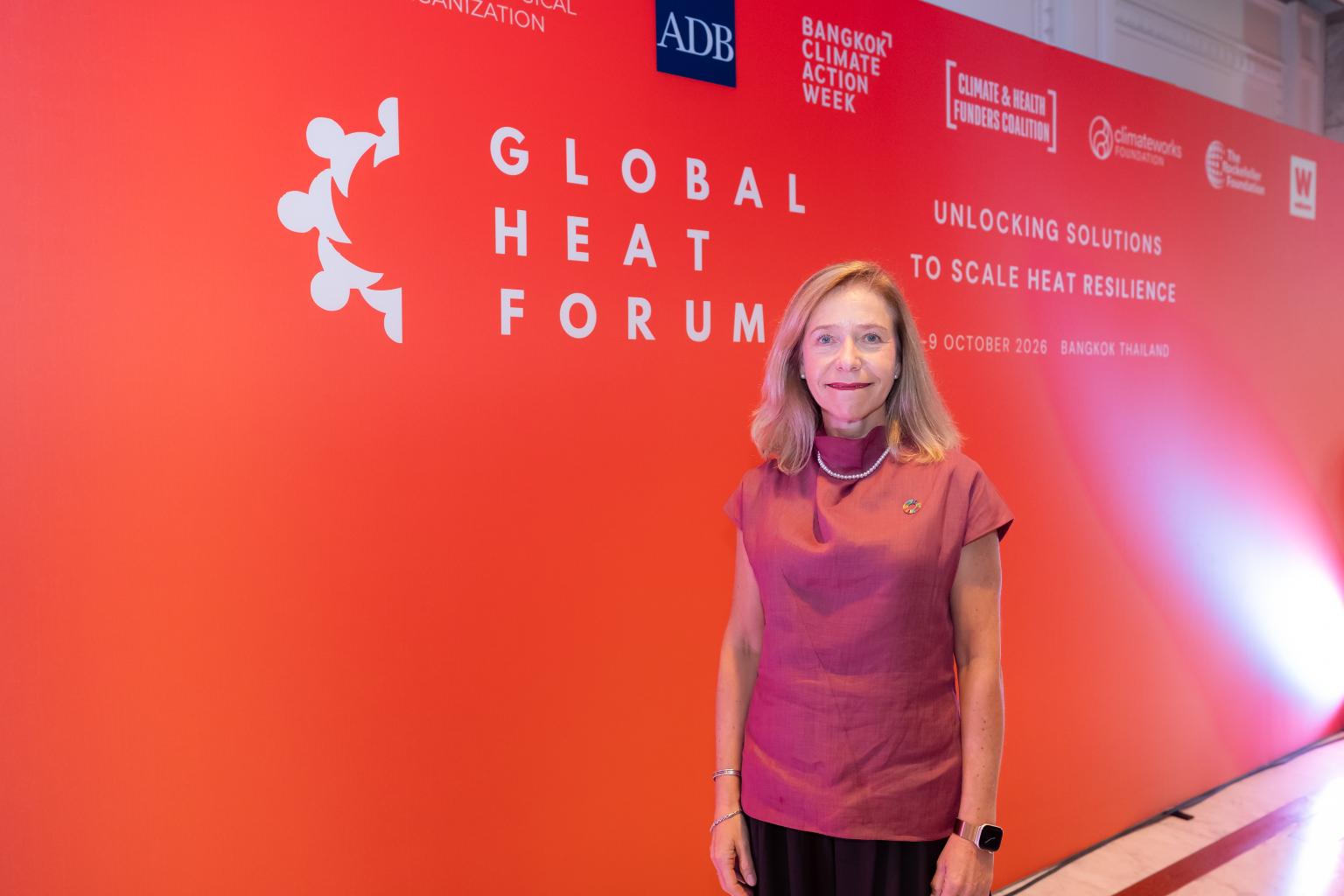
UN Secretary-General António Guterres has called on every city to put heat action plans in place by 2030, with the staff, systems and resources to carry them out. The appeal, delivered to the Global Heat Forum in Bangkok on October 6, asks health, housing, energy and transport authorities to prepare together.[1]
The gathering runs through October 9. Its organisers identify a roadmap for investment and action as a central output.[2] One concrete announcement has already followed: on October 8, the Philanthropy Asia Alliance pledged support for heat-health work in Indonesia and Thailand in 2027. Its statement names places and partners, but gives no funding amount.[5]
The immediate development is a planning target accompanied by tools and a regional funding announcement. Evidence of wider city adoption and sustained delivery still has to follow.
What is confirmed
- October 6, WMO: Guterres called for resourced city plans by 2030. This establishes the appeal; it does not establish that cities have adopted it.[1]
- October 6–9, forum organisers: the programme moves from evidence and practical solutions to scaling, then next steps and training. This is the published schedule, not a record of completed commitments.[2]
- October 8, Philanthropy Asia Alliance: support will advance work through the Southeast Asia Heat Health Hub at the National University of Singapore. This is the funder's announcement, not an independent assessment of results.[5]
From a forecast to an assigned job
WMO Secretary-General Celeste Saulo gave the call an operational meaning in her opening remarks. Weather services and health authorities should settle in advance which conditions trigger action, who takes responsibility and how the response is financed. A warning needs to arrive early enough for health services to prepare, employers to alter working hours and communities to contact vulnerable people.[3]
For a city administrator, that turns preparation into a sequence of assigned jobs. Issuing an alert is one task; ensuring that someone has the authority and resources to act on it is the next. The test is whether the response survives the handoff between agencies.
The regional announcement offers a useful case to follow. In Indonesia, the hub's work builds on Project KATALIS-HEAT with WHO partners and the health ministry, advancing city-level action in Makassar and two other cities. Thailand's work is earlier: consultations and a rapid stocktake are intended to establish priorities. These are different stages of preparation, so the announcement should not be read as evidence that both countries now have equivalent operational coverage.[5]
The new Extreme heat and health executive summary explains why coverage alone is an incomplete measure. It says heat action plans often suffer from weak implementation and insufficient evaluation. It calls for surveillance capable of identifying effects on vulnerable groups and for timely health data that can support assessment after a heatwave. Its full underlying report is scheduled for publication later in 2026.[4]
That creates a practical reporting question: can authorities show which people a plan reaches and how the response performs? A published document supplies something to inspect. Monitoring supplies a way to find out where it needs changing.
What to watch after Bangkok
The base scenario is gradual implementation as agencies translate the forum's resources into local programmes. An upside trigger would be published budgets, responsible agencies and dated milestones attached to the announced work. A downside trigger would be missed milestones or pilots ending without a continuing public authority to run them. These are conditional tests of follow-through, not forecasts of the forum's outcome.
For city officials and reporters tracking the commitments:
- Within 24 hours: check closing announcements against the opening appeal; distinguish proposals from adopted commitments.
- Within seven days: seek the scope, funding terms and delivery timetable for the Indonesia and Thailand work.
- Within 30 days: compare any promised milestones with agency workplans, and identify how implementation will be assessed.
Revise this assessment if closing documents establish wider funded commitments, if the funder changes its announcement, or if implementation evidence contradicts the stated timetable. The 2030 target is easy to record; the nearer test is a named agency with money and a job to do.
Sources
- World Meteorological Organization, “Global Heat Forum seeks to galvanize action and investment,” October 6, 2026 — Guterres's city-plan appeal and the event photograph.
- Global Heat Health Information Network, “Global Heat Forum,” October 6–9, 2026 — official schedule and intended investment roadmap; accessed October 9.
- Celeste Saulo, “A shared goal: protecting people from extreme heat,” WMO, October 6, 2026 — opening remarks on triggers, responsibility and financing.
- GHHIN/WMO, “Extreme heat and health: Global evidence for action,” executive summary, October 2026 — printed pages 4, 14–15 and 18 on publication status, surveillance and implementation.
- Philanthropy Asia Alliance, Southeast Asia Heat Health Hub funding announcement, October 8, 2026 — Indonesia and Thailand programme details.