In prevention medicine, clinicians often complain that evidence is inconsistent. A better diagnosis is that evidence may be clear while translation is asymmetric. The Women’s Health Initiative (WHI) hormone trials and SPRINT blood-pressure trial are a clean comparative history: both were large randomized programs, both reported clinically important effect sizes, and both changed guidelines. Yet their bedside afterlife diverged. WHI drove durable caution and underuse concerns in some symptom populations; SPRINT drove an expansionist “lower is better” reflex that frequently outran eligibility and measurement constraints.
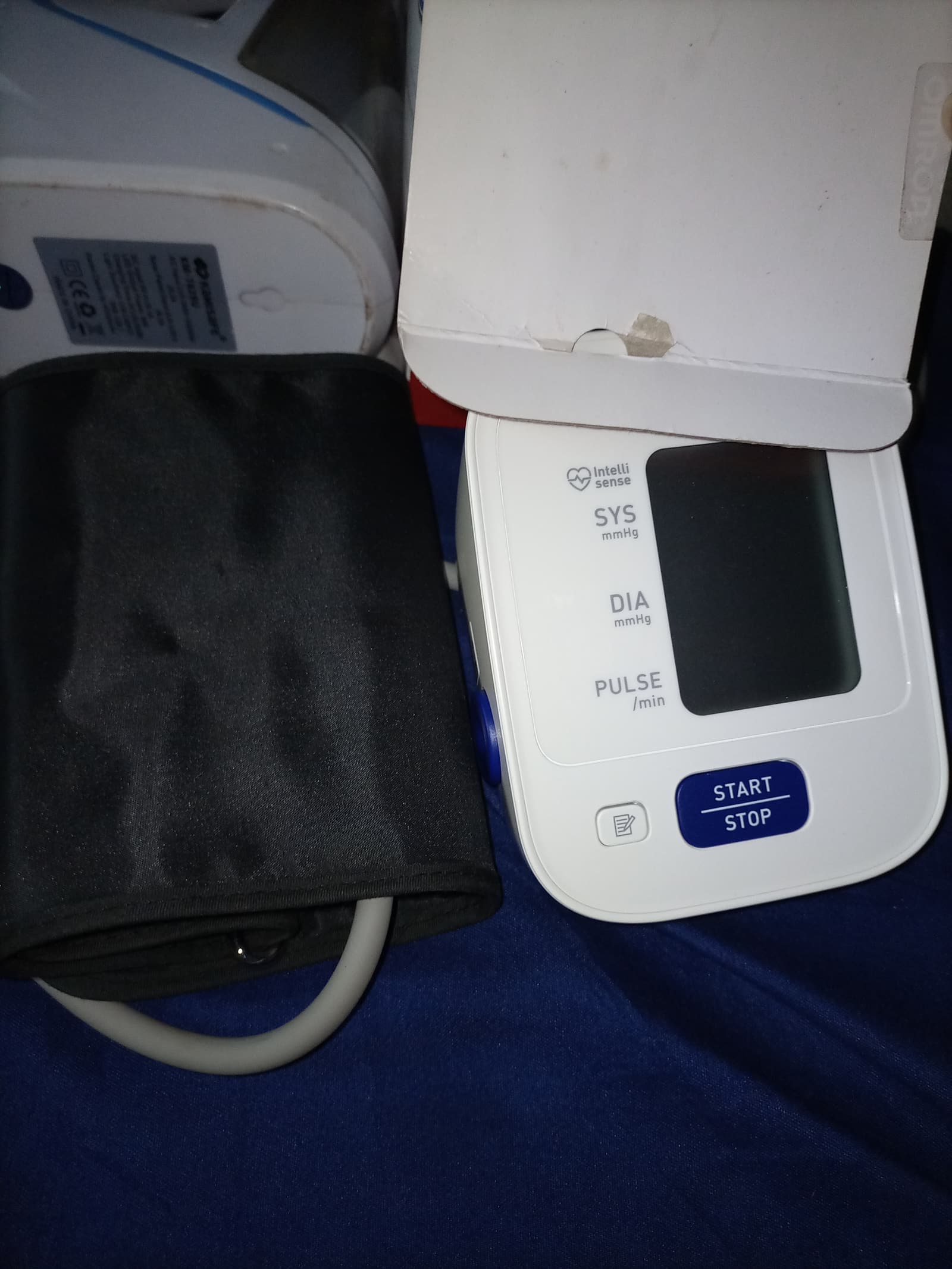
Image context: the hero image shows a home blood-pressure monitor, matching one side of the article’s comparison and underscoring that target numbers only make sense when tied to real measurement practice.
Timeline: two evidence shocks, two policy arcs
- 2002-05-31: WHI estrogen-plus-progestin trial stopped early after mean 5.2 years; key hazard ratios included CHD 1.29, stroke 1.41, pulmonary embolism 2.13, and invasive breast cancer 1.26, with 19 excess global-index events per 10,000 person-years.[1]
- 2004-04-14: WHI estrogen-alone arm also stopped; stroke remained elevated (HR 1.39) despite fracture benefit (HR 0.61).[2]
- 2015-08: SPRINT stopped early for benefit; among 9,361 high-risk adults without diabetes or prior stroke, intensive treatment reduced primary cardiovascular outcomes (HR 0.75) and all-cause mortality (HR 0.73).[3]
- 2017: ACC/AHA guideline lowered hypertension staging/treatment framing around 130/80 mm Hg, projecting U.S. prevalence estimates rising from 31.9% to 45.6% under new definitions.[4]
- 2022: USPSTF reaffirmed against menopausal hormone therapy for primary prevention of chronic conditions (Grade D), while major menopause societies maintained symptom-focused use in selected patients.[5][6]
The chronology already hints at the asymmetry: WHI became a warning story in prevention language, while SPRINT became an implementation story in treatment-intensification language.
Comparative question
Why did two high-signal randomized evidence packages produce opposite default behavior—"back off" in one domain and "push harder" in the other—even though both papers also reported boundary conditions and tradeoffs?
Mechanism 1: endpoint framing determines what survives in memory
WHI entered public and professional discourse through a prevention endpoint frame: does hormone therapy prevent major chronic disease events at acceptable harm? On that frame, the combined regimen failed. Even when later follow-up refined subgroup interpretation, the original prevention verdict remained structurally stable.[1][2][5]
SPRINT entered through a risk-reduction frame in a high-risk cohort. The headline numbers (HR 0.75 primary outcome; HR 0.73 mortality) were compact, portable, and easy to operationalize into target conversations.[3] Harm signals were visible, but they were cognitively coded as monitoring burdens (hypotension, electrolyte issues, kidney events), not as a categorical prohibition.
In short: WHI’s most reusable message was a boundary against preventive routine use; SPRINT’s most reusable message was a conditional benefit signal that many systems converted into broader default practice.
Mechanism 2: denominator politics (who the trial is “about”)
Both trials had strict denominator logic, but they were metabolized differently.
- WHI’s prevention question applied to large populations of generally healthy postmenopausal women, so an adverse prevention signal looked like a direct public-health warning.
- SPRINT enrolled high-risk adults and excluded key groups (notably diabetes and prior stroke), yet the policy ecosystem often treated its direction as a general blood-pressure modernization signal.[3][4]
That translation jump is not irrational; cardiovascular risk is common, and blood-pressure treatment is an established lever. But it increases the chance that implementation outruns evidence boundaries, especially where measurement quality is weak.
Mechanism 3: guideline wording can preserve or flatten trial boundaries
Guidelines did not simply echo trial abstracts; they translated them into system behavior.
For menopausal hormone therapy, major recommendations kept a sharp split: not for chronic-disease prevention, but potentially appropriate for symptom control in selected early-menopause contexts.[5][6][7] The indication boundary stayed explicit.
For blood pressure, ACC/AHA’s lower threshold architecture changed population categorization at scale (31.9% to 45.6%).[4] Later guidance, including USPSTF screening recommendations and KDIGO CKD guidance, emphasized confirmation and standardized measurement.[8][9] However, real-world implementation often foregrounds target numbers more than measurement protocol fidelity, creating a gap between trial conditions and clinic reality.
Mechanism 4: harm salience differs by event type
WHI harms (breast cancer, stroke, thromboembolism) are events with high narrative salience and low clinician tolerance for prevention settings. They generate durable caution.
SPRINT’s harm profile, while serious, is usually managed through surveillance and medication adjustment workflows. This operationally “containable” perception can make intensive strategies feel easier to scale than the source strictly supports.
This is why two evidence packages with mixed benefit/harm profiles can still produce opposite behavioral equilibria.
What this comparative history implies for 2026 practice
1) Stop importing trial direction without trial denominator
Before translating any landmark trial into default care language, force three checks: who was excluded, how outcomes were measured, and what competing harms were tolerated. WHI and SPRINT both punish denominator drift.
2) Preserve indication boundaries in every handoff layer
Clinical summaries, EHR prompts, and patient education should repeat the same boundary wording as guidelines. If the boundary disappears in workflow tools, evidence quality degrades downstream even when the original trial was excellent.
3) Treat measurement protocol as policy infrastructure
For blood pressure, “130/80” without confirmation pathways and standardized technique is not evidence-based modernization; it is threshold literalism. The infrastructure is part of the intervention.[8][9]
4) Re-audit legacy overcorrections
WHI-era fear may still suppress appropriate symptom treatment for some candidates, while SPRINT-era enthusiasm may still push intensity where monitoring capacity is thin. Both are translation errors in opposite directions.
Falsifier: what would overturn this comparison
This comparative reading would weaken if high-quality implementation studies showed that real-world blood-pressure intensification, under non-standardized measurement conditions, preserves SPRINT-like net benefit without added harm burden; or if modern hormone regimens demonstrated robust chronic-disease prevention benefit in broad randomized populations with acceptable net harm.
Until then, the stronger interpretation is that evidence quality alone does not determine practice quality; translation architecture does.
Sources
- Rossouw JE, et al. Risks and benefits of estrogen plus progestin in healthy postmenopausal women (JAMA, 2002, PMID: 12117397)
- Anderson GL, et al. Effects of conjugated equine estrogen in postmenopausal women with hysterectomy (JAMA, 2004, PMID: 15082697)
- SPRINT Research Group. A Randomized Trial of Intensive versus Standard Blood-Pressure Control (N Engl J Med, 2015, PMID: 26551272)
- Whelton PK, et al. 2017 ACC/AHA Guideline for High Blood Pressure in Adults (Hypertension, 2018, PMID: 29133356)
- U.S. Preventive Services Task Force recommendation: Menopausal Hormone Therapy (2022)
- The 2022 Hormone Therapy Position Statement of The North American Menopause Society (PMID: 35797481)
- Manson JE, et al. The Women's Health Initiative Randomized Trials and Clinical Practice: A Review (JAMA, 2024, PMID: 38691368)
- USPSTF. Screening for Hypertension in Adults: Reaffirmation Recommendation Statement (JAMA, 2021, PMID: 33904861)
- KDIGO Blood Pressure Work Group. KDIGO 2021 Clinical Practice Guideline for the Management of Blood Pressure in CKD (Kidney Int, 2021, PMID: 33637192)