The word normal can make a treatment target sound self-evidently desirable. In intensive care, however, reaching a blood-glucose target requires an intervention: measurements, insulin and repeated decisions about the dose. NICE-SUGAR made the hoped-for benefit of that work answerable to a separate question. Would patients live longer?
The study's registry entry, first registered on 25 October 2004, names its primary outcome as death from any cause within 90 days. That choice gives the documents their organizing principle. A glucose reading could show that a protocol had worked as instructed; survival would establish whether pursuing the target had helped.[1]
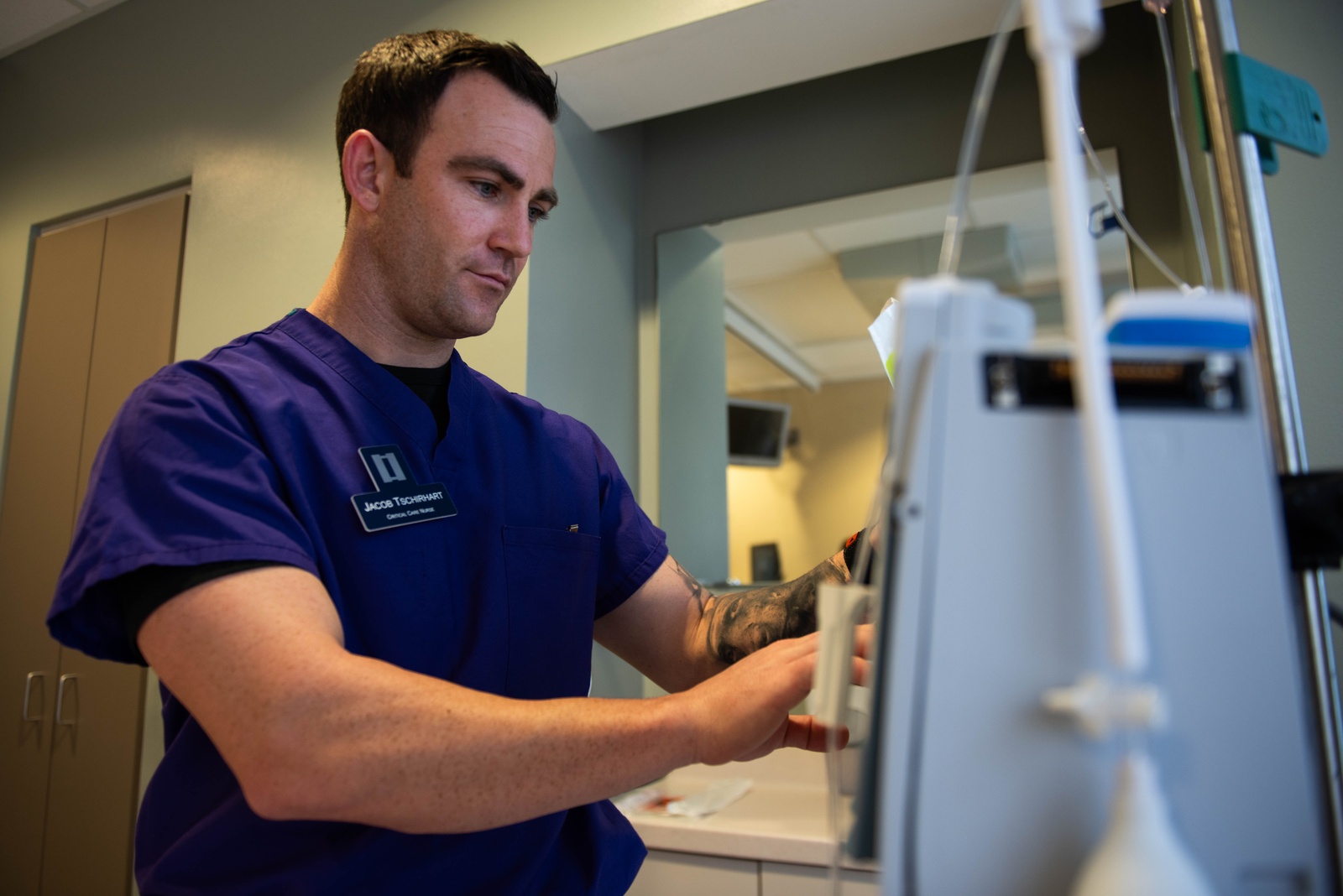
Read the comparison before the result
The registry describes two insulin regimens. One aimed for glucose between 4.5 and 6.0 mmol/L, equivalent to 81–108 mg/dL. The other started insulin when glucose exceeded 10.0 mmol/L (180 mg/dL) and adjusted treatment toward 8.0–10.0 mmol/L (144–180 mg/dL).[1]
Both groups therefore had a treatment rule. The comparison tested how tightly to control glucose, rather than whether an ICU should pay attention to it. Calling the second group “conventional” can obscure this active management unless the reader follows the label into the protocol.
Eligibility also set boundaries. The registry excluded patients admitted for diabetic ketoacidosis or a hyperosmolar state, and those expected to be eating soon. These were adults needing continuing intensive care.[1] The question concerned a particular phase of severe illness. It cannot settle how someone should manage diabetes over years at home, or replace the distinct treatment of a diabetic emergency.
The analysis had a plan
In March 2009, Simon Finfer and Stephane Heritier published the study's statistical analysis plan. Their account says it had been finalized while data collection was continuing. It specified how the investigators would describe the patients, treatment delivery and outcomes, with outcomes assigned to primary, secondary and tertiary categories.[3]
That hierarchy matters when a study generates many possible findings. A reader can ask whether the headline answer follows the question the investigators committed to, or whether an attractive result has been selected from a crowded field of measurements. Here, the investigators explicitly presented the plan as protection against analysis choices influenced by advance knowledge of the findings.[3]
A plan cannot make every measurement perfect or guarantee that every clinical question has been asked. Its contribution is more concrete: it leaves an inspectable record of what would count as the main answer. Reading it alongside the registry keeps the survival question in view before the results arrive.
What happened at ninety days
The report published online on 24 March 2009 described 6,104 randomized adults across 42 hospitals. Ninety-day survival data were available for 3,010 intensive-control patients and 3,012 conventional-control patients. Deaths numbered 829 versus 751: 27.5% versus 24.9%. The odds ratio was 1.14, with a 95% confidence interval of 1.02–1.28.[4]
The absolute difference was about 2.6 percentage points, or 26 additional deaths per 1,000 patients assigned intensive control in this trial. Severe hypoglycemia, defined as glucose at or below 40 mg/dL, was also more frequent: 6.8% versus 0.5%.[4]
Random assignment supports attributing the mortality difference to the assigned treatment strategies. It does not identify which component produced the harm. Nor does an odds ratio of 1.14 mean a fourteen-percentage-point increase in mortality: the observed absolute difference comes from the two event rates. The trial's clinical conclusion was unfavorable to the tighter target in the population studied.[4]
A clue is not a complete mechanism
A post hoc analysis published on 20 September 2012 returned to the same trial to examine low glucose and death. Among 6,026 patients with follow-up data, moderate hypoglycemia was associated with an adjusted mortality hazard ratio of 1.41; severe hypoglycemia with 2.10, compared with no hypoglycemia. The association persisted after adjustment for treatment assignment and other measured factors.[5]
The authors nevertheless stopped short of claiming that low glucose caused the deaths. They also found a strong association when severe hypoglycemia occurred without insulin treatment.[5] That observation leaves room for low glucose to reflect a patient's underlying deterioration, alongside any harm it might itself cause.
The distinction rests on what was randomized. Patients were assigned to glucose-management strategies. They were not randomly assigned to experience hypoglycemia. Grouping people afterward by whether glucose fell too low creates a different comparison, one potentially shaped by illness and events during care. Statistical adjustment helps address measured differences; it cannot guarantee that every relevant difference has disappeared.
The follow-up therefore strengthens concern about hypoglycemia while leaving its exact contribution to the mortality result unresolved.[5]
What a safer target still asks of a ward
The Society of Critical Care Medicine's 2024 guideline carries both concerns forward. For critically ill adults, it calls for protocols to treat persistent glucose at or above 180 mg/dL and for prompt treatment of hypoglycemia. It conditionally advises against an insulin-infusion target of 80–139 mg/dL compared with 140–200 mg/dL, to reduce hypoglycemia risk. During glucose instability on intravenous insulin, it suggests monitoring at least hourly.[6]
These recommendations preserve considerable bedside work. A higher target still needs a protocol, observation and adjustment. The guideline also calls for trials of individualized targets informed by patients' previous glucose control; it treats that possibility as a research question.[6]
NICE-SUGAR's lasting reading lesson is the separation between delivering an intervention, measuring its net effect and explaining that effect. The first can be documented at the pump. The second requires outcomes that matter to patients. The third may remain unfinished even after the treatment decision has become clearer.
Sources
- ISRCTN04968275, “The effects of blood glucose management on 90-day all-cause mortality intensive care unit (ICU) patients” — registry PDF; registered 25 October 2004, last edited 18 August 2010; treatment arms, eligibility and outcomes.
- Kenneth Abbate / U.S. Air Force, “David Grant USAF Medical Center Operations” (26 January 2024), DVIDS photograph 8238920 — nurse, location and image provenance.
- Simon Finfer and Stephane Heritier, “The NICE-SUGAR Study: statistical analysis plan,” Critical Care and Resuscitation 11:46–57 (March 2009) — authors' abstract and publication record at Monash University.
- NICE-SUGAR Study Investigators, “Intensive versus Conventional Glucose Control in Critically Ill Patients,” New England Journal of Medicine 360:1283–1297 (26 March 2009; online 24 March) — original report, University of Washington PDF copy.
- Simon Finfer and colleagues, “Hypoglycemia and risk of death in critically ill patients,” New England Journal of Medicine 367:1108–1118 (20 September 2012) — authors' abstract and publication record at Australian National University; association and causal limitations.
- Society of Critical Care Medicine, “Guidelines on Glycemic Control for Critically Ill Children and Adults” (2024) — adult recommendations on treatment thresholds, glucose targets, monitoring and further research.