The laetrile story is not a simple tale of a fake substance. Amygdalin is real. Apricot kernels are real. Cyanide release is real. The myth begins at the next step: the claim that this chemistry can be made selective enough to poison cancer while sparing the patient.
That is why laetrile became such a durable health myth. It borrowed the emotional force of "natural" medicine, the desperation of cancer, and the language of patient freedom, then wrapped them around a mechanism that did not survive clinical testing. The strongest evidence does not say "nothing happens." It says the wrong thing happens: cyanide risk is easier to demonstrate than cancer control.[1][2][3]
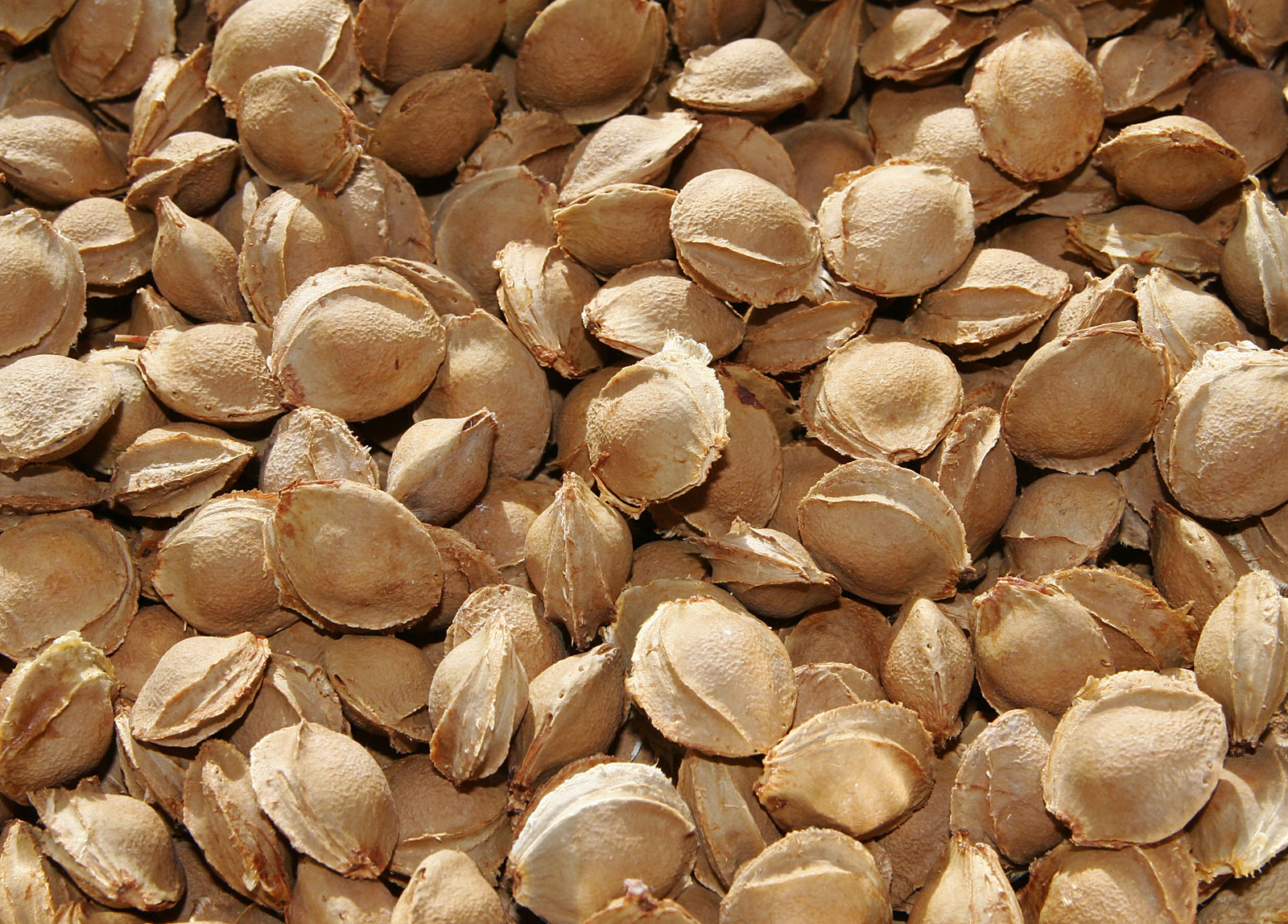
Image context: the cover uses a real photograph of apricot seeds, not a molecular diagram. That choice matters because laetrile's public appeal has often depended on collapsing a familiar food object into a medical promise. The article follows the harder boundary: a plant-derived compound is not automatically safe, selective, or effective.[7]
The timeline is a warning sign
Laetrile's long life is part of its persuasive power. NCI's health-professional summary traces cancer-treatment use to 1845 in Russia and to the 1920s in the United States, long before modern online supplement marketing gave it a new channel.[1] In the 1970s, the claim became a public controversy. NCI reports that by 1978, more than 70,000 people in the United States were reported to have been treated with laetrile, and that more than 20 states legalized it during that decade.[1]
The legal fight reached the Supreme Court in 1979. In United States v. Rutherford, terminally ill cancer patients and spouses argued for access to a drug not approved under the Food, Drug, and Cosmetic Act. The Court rejected the idea that safety and effectiveness standards had no reasonable role for terminal patients. Its reasoning was practical: a drug can be unsafe if physical injury is not offset by therapeutic benefit, and effectiveness must still be judged by objective claims such as longer life, improved condition, or reduced pain.[5]
Then came the clinical evidence that should have ended the mythology. In 1982, Moertel and colleagues reported a trial of 178 cancer patients treated with amygdalin plus a "metabolic therapy" program of diet, enzymes, and vitamins. The patients were not all at the edge of death; the abstract notes that none was totally disabled or preterminal, and about one third had received no prior chemotherapy. The result was blunt: no substantive benefit in cure, improvement, stabilization, symptoms, or life span, while several patients showed cyanide toxicity or cyanide levels approaching lethal range.[2]
Myth: natural means safer
The most persistent laetrile claim begins with a category mistake. Amygdalin is found in apricot pits and other plant materials, but natural origin says almost nothing about therapeutic margin. NCI identifies laetrile as another name for amygdalin and explains that hydrogen cyanide is the main compound proposed to be formed from it in the body.[1] Memorial Sloan Kettering gives the patient-facing version: amygdalin can be broken down by intestinal enzymes to produce cyanide, a known poison.[6]
That chemistry matters because it shifts the safety question away from branding. The issue is not whether a substance comes from a kernel, a clinic, or a bottle. The issue is what dose reaches the body, how it is metabolized, whether its effect is targeted, and whether any benefit justifies the harm. For laetrile, the evidence never made that tradeoff favorable.
Canada's 2024 recall of Sareks bitter apricot kernels shows why this is not only a historical concern. The affected product was sold online, recalled for excessive amygdalin, and linked to one reported illness. The recall warned that apricot kernels can release cyanide after being eaten and that larger exposures can lead to symptoms including weakness, confusion, difficulty breathing, loss of consciousness, seizures, cardiac arrest, and death.[4] This is the opposite of the gentle-remedy story. The body does not honor the marketing boundary between "natural seed" and "drug-like poison."
Myth: cyanide can be selective enough
Laetrile's core cancer claim depends on selective toxicity. Promoters argued, in different forms, that cancer cells would be especially vulnerable to cyanide released from amygdalin while normal cells would be spared.[6] It is an attractive claim because real cancer therapy often does seek a therapeutic window: enough damage to malignant cells, tolerable damage to normal tissue.
The problem is that laetrile did not demonstrate that window in the evidence that matters. NCI's review says animal studies showed little anticancer activity and human clinical trials showed none.[1] The 1982 trial tested preparations, dose, and schedule representative of laetrile practice, not a straw-man version invented to fail. It still found no meaningful cancer benefit and did find cyanide danger.[2]
This distinction is important for reading laboratory claims. A compound can damage cancer cells in a dish and still fail as medicine. Cells in vitro do not model absorption, metabolism, dose limits, tumor heterogeneity, liver handling, gut enzymes, or harm to normal tissue. A poison that can kill cancer cells outside the body has not thereby become a cancer treatment inside the body. It has only shown that toxicity exists.
Myth: the evidence was never fairly tested
Laetrile survived partly by making failed evidence look like suppression. The 1970s fight turned regulation into a narrative about access, autonomy, and distrust. That emotional structure is understandable. Cancer patients facing limited options may reasonably resent slow institutions, severe side effects, and the feeling that a door is being closed.
But the evidence history does not support the idea that laetrile was dismissed without examination. NCI's summary describes laboratory and animal work, anecdotal review, clinical series, and later sponsored trials.[1] The Supreme Court case also matters here because it framed the policy question cleanly: desperation does not make an unproven drug effective, and terminal illness does not make toxicity irrelevant.[5]
The 2015 Cochrane review strengthened that boundary. Its authors concluded that claims of benefit for laetrile or amygdalin were not supported by sound clinical data, while the risk of serious adverse effects from cyanide poisoning was considerable, especially after oral ingestion. Their risk-benefit judgment was negative.[3] In other words, the evidence problem was not simply missing paperwork. It was a mismatch between claim, clinical result, and harm.
Myth: "vitamin B17" changes the standard
Calling laetrile "vitamin B17" was rhetorically powerful because vitamins sound essential, corrective, and preventive. NCI states that this is not an approved vitamin designation.[1] MSK lists "Vitamin B17" among common names but cautions that clinical evidence does not support cancer use.[6] The logic is already clear from the definition: a vitamin is not a marketing label for any plant compound someone wants the body to need.
The vitamin framing also helps explain why laetrile often traveled with broader "metabolic therapy" packages. In the 1982 trial, amygdalin was paired with diet, enzymes, and vitamins because that reflected real laetrile practice.[2] The bundle made the promise feel holistic, but it also blurred accountability. If the patient improved, advocates could credit the program. If the cancer progressed, they could blame timing, dosage, purity, diet compliance, or prior conventional treatment. Good clinical evidence has to cut through that flexibility.
What evidence should change
The laetrile lesson is not that every unconventional idea is false. It is that cancer claims need a higher standard precisely because the stakes are high and the patient is vulnerable. A plausible mechanism is only a starting point. Anecdotes are signals, not verdicts. A natural source is not a safety certificate. Access arguments cannot substitute for response rates, survival, symptom improvement, and toxicity data.
Laetrile fails those tests. The best concise reading is this: amygdalin can be metabolized into cyanide; laetrile was widely promoted despite weak evidence; a representative clinical trial found no substantive benefit; systematic review found no sound clinical support and serious toxicity risk; and modern food-safety authorities still warn about apricot-kernel products because the harm pathway remains live.[1][2][3][4]
That does not make the myth emotionally trivial. It makes it clinically dangerous. Laetrile offered a story in which cancer could be met by a hidden natural cure and regulators were the obstacle. The evidence tells a harder story: a plant compound became a freedom symbol, but the body treated it as a cyanide problem before cancer treated it as a cure.
Sources
- National Cancer Institute, "Laetrile/Amygdalin (PDQ) - Health Professional Version" - history, chemistry, regulatory background, animal studies, clinical evidence, and adverse effects.
- C. G. Moertel et al., "A clinical trial of amygdalin (Laetrile) in the treatment of human cancer," New England Journal of Medicine (1982), PubMed record - 178-patient clinical trial and toxicity findings.
- S. Milazzo et al., "Laetrile treatment for cancer," Cochrane Database of Systematic Reviews (2015), PubMed record - systematic-review conclusion on unsupported benefit claims and cyanide-poisoning risk.
- Government of Canada, "Consumption of Sareks brand Bitter Apricot Kernels may cause cyanide poisoning" (2024) - current recall warning on excessive amygdalin, online distribution, reported illness, and cyanide-poisoning symptoms.
- United States v. Rutherford, 442 U.S. 544 (1979), GovInfo U.S. Reports PDF - official Supreme Court opinion on laetrile access, safety, effectiveness, and terminal illness.
- Memorial Sloan Kettering Cancer Center, "Amygdalin" - patient and clinician summary of names, proposed claims, cyanide metabolism, lack of shown cancer benefit, and adverse-effect concern.
- Wikimedia Commons, "File:Apricot seeds.jpg" - source page for the real photograph of apricot seeds used as the article image.